School Violence and Legal Responsibilities: A Closer Look at Campus Safety
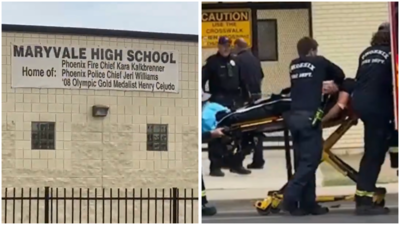
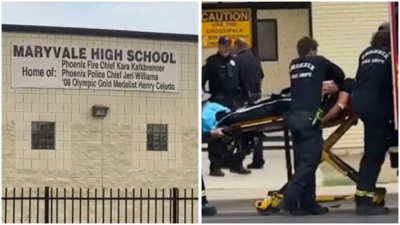
The recent tragedy at Maryvale High School in Phoenix has stirred up a heated debate on school safety, legal responsibilities, and the measures institutions must take to protect students. This incident, where a fight escalated to a fatal stabbing involving scissors, not only left a community mourning but also raised important legal questions about safety protocols, law enforcement roles in schools, and the responsibilities of educational authorities.
This opinion editorial aims to take a closer look at the tangled issues surrounding school violence and to explore how legal frameworks are being tested in our education system today. We will dive in into several aspects, including the roles of school safety officers versus school resource officers, the influence of advanced detection systems, and the broader implications for legal policy and community trust. In doing so, we get into the nitty-gritty of the heavy responsibilities that rest on school officials, public safety officers, and lawmakers alike.
Legal Implications of Campus Violence
When a tragic event like the fatal stabbing at Maryvale High School occurs, it naturally triggers a wave of legal analysis and demands accountability from various stakeholders. Legal experts have long debated who is responsible when a campus becomes the scene of violence. Is it the duty of the law enforcement agencies, the school administration, or even the district at large? Analyzing these questions means wrestling with a series of tricky parts and turns and considering the fine points of legal responsibility.
One major point of contention is the role of different officers on campus. According to recent reports, Maryvale High School, part of a school district that cycled through different forms of law enforcement support—first eliminating full-time School Resource Officers (SROs) in 2020 and then reintroducing some in 2023—now relies on school safety officers. Whereas SROs are full-time law enforcement officers assigned to schools, safety officers are typically retired or off-duty police who are temporarily assigned. This shift in staffing raises legal questions about whether these measures meet the legal standard for adequate school safety.
In legal terms, a school’s obligation to provide a secure environment is not just a moral duty but a statutory one. School districts are required to “take reasonable steps” to ensure that their campuses are safe. This obligation is loaded with issues that include policy decisions, allocation of resources, and adherence to legal standards prescribed by both state law and local governance. Any failure to adequately protect students may result in lawsuits, claims of negligence, and even criminal charges if evidence suggests a breach of duty.
Questions about Duty of Care and Negligence in Schools
The duty of care expected from schools is a well-established legal doctrine. It mandates that educational institutions must operate reasonably to prevent foreseeable harm. When a deadly incident occurs as a result of an internal conflict, the central question becomes whether the school administration or the district breached their duty of care. Reviewing such cases, legal commentators point out:
- Responsibility for Supervision: Was the school’s staffing adequate to manage student behavior?
- Response Time of Law Enforcement: Did the officers on site react promptly enough to halt the escalation?
- Training and Procedures: Were the protocols for de-escalating conflicts and handling potential weapon use clearly defined and practiced?
These bullet points are just a snapshot of the legal analysis that must be undertaken in the wake of such a tragedy. It’s important to note that if a breach of duty is found, the school district might face legal consequences for negligence, potentially leading to higher scrutiny in the future regarding campus safety policies.
School Safety Officers Versus Full-Time Law Enforcement
The decision to deploy school safety officers, who are generally not full-time law enforcement personnel, instead of SROs, has been at the center of debates following this incident. Critics argue that using off-duty or retired officers might not provide the same level of immediate response and authority as a full-time SRO. This issue is critical when analyzing the legal liabilities involved in failing to secure a safe environment for students.
A closer look at the differences reveals several points of contention:
- Authority and Training: Full-time SROs are often seen as being better prepared and authorized to handle violent incidents, whereas safety officers might not have the same level of on-the-job training or legal authority.
- Legal Precedents: Past legal cases have highlighted the importance of deploying adequately trained law enforcement personnel in schools to mitigate risks and handle emergencies effectively.
- Accountability: Using personnel who are not permanently assigned to the school setting might complicate the legal accountability if an intervention does not occur in time.
The debate raises the question: Is the district’s current staffing model meeting the essential requirements of safety and legal duty? Some local officials and policymakers believe that, while budgetary constraints force some compromises, investing in full-time law enforcement presence on campus might be one of the key measures to prevent future incidents. This viewpoint considers that enhanced authority and immediate response times are super important to deter violent behavior and to provide rapid help
Table: Comparison Between SROs and School Safety Officers
| Aspect | School Resource Officers (SROs) | School Safety Officers (SSOs) |
|---|---|---|
| Employment Status | Full-time, trained law enforcement professionals | Often off-duty or retired law enforcement personnel |
| Authority | Carry full law enforcement authority | Limited authority, usually tethered to specific protocols |
| Training | Continuous and specialized in violent incident de-escalation | May have less rigorous ongoing training |
| Legal Accountability | Direct responsibility under police regulations | Accountability can be murky in urgent situations |
The table above illustrates the fine points that legal experts are examining when they weigh the efficacy of the current staffing arrangements. It is clear that while school safety officers are a pragmatic solution facing limited resources, the differences in authority and training compared to full-time SROs are not trivial.
The Impact of Advanced Detection Systems on School Safety
In an attempt to bolster on-campus security, the district recently introduced an advanced weapons detection system, initially piloted at Maryvale High School. Advocates herald this system as an essential technological aid that acts as an early warning mechanism to detect dangerous items before they can be used to inflict harm.
This technology is designed to scan backpacks, clothing, and personal items for hidden weapons—a measure that many schools find super important in today’s environment. However, legal debates still emerge over the balance between ensuring security and protecting student privacy. Critics argue that such systems may inadvertently infringe on individual rights if not implemented with proper legal guidelines and oversight.
Legal Considerations Regarding Privacy and Safety
The legal landscape is full of conflicting views on the adoption of surveillance and detection technologies in educational settings. On one hand, these systems are viewed as indispensable in preventing violence. On the other hand, they could be seen as overreaching and potentially violating privacy rights if the data is not carefully managed and protected. Some of the tricky questions that are being raised include:
- Consent and Transparency: How much information do parents and students have about the functioning of these systems? Are they fully aware of what data is being collected?
- Data Storage and Use: How long is the data kept, and who has access? Could this information be used for purposes beyond ensuring safety?
- Legal Safeguards: Are there legal frameworks in place to prevent the misuse of such technology?
These questions underscore that while technology plays a super important role in the ongoing battle against school violence, its implementation must be carefully managed to avoid running afoul of legal standards related to individual rights and privacy.
Taking the Wheel: Community and Legal Responses to Tragic Events
The tragedy at Maryvale High School forces us to tackle several uncomfortable realities. One immediate concern is the ripple effect on community trust in both school administration and law enforcement. When the public feels that safety measures are insufficient, it can lead to widespread fear and anger—a response that is entirely natural, yet one that carries legal consequences.
From a legal standpoint, this incident has led to calls for greater transparency and accountability. Community leaders and policymakers argue that this should be a wake-up call—a moment to review policies, reassess resource allocation, and enforce stricter safety protocols on campus. Public statements from officials such as Phoenix Mayor Kate Gallego and Phoenix Police Chief Matt Giordano underscore the commitment to making schools safer, but they also acknowledge that the path forward is loaded with issues.
Community Involvement and Oversight
Indeed, for many community members, safety is a collective responsibility—not just a task for school officials or the police. A few key points that emerge in the discussion include:
- Collaborative Policy Making: Improved communication between school boards, law enforcement, and local government is essential. Communities that are actively involved in oversight tend to foster environments that are safer and more responsive.
- Parental Engagement: Parents need to be informed and involved in dialogues about how their children will be protected. The lack of clear communication during the Maryvale incident left many parents feeling in the dark and unsure of the safety measures in place.
- Independent Reviews: In some cases, independent commissions or panels may be brought in to review school safety policies, investigate what went wrong, and propose remedial measures.
This collaborative approach is key to finding your way through the tense and tricky parts of managing school safety in a legal context. The lessons learned from the tragic event at Maryvale must guide future policy changes—not through reactive measures alone, but by establishing a coherent long-term strategy that prioritizes both safety and legal accountability.
Understanding the Role of Technology in Legal Safety Measures
Emerging technologies like the advanced weapons detection system offer a glimpse into the modern solutions being considered to deal with school violence. These systems not only serve as a preliminary shield against potential harm but also provide a layer of legal protection in the sense that they could help document and verify incidents.
Legal professionals recognize that when technology is used correctly, it may provide vital evidence during investigations. Video footage, digital logs, and sensor alerts can be indispensable when determining the sequence of events, identifying responsible parties, and ultimately clarifying the legal responsibilities of schools and law enforcement.
Balancing Digital Evidence and Student Rights
However, while digital evidence can support legal proceedings, it is not without its own twist and turns. The following points outline the intricate balance that must be achieved:
- Chain of Custody: Legal standards require that any evidence gathered must maintain a strict chain of custody to prevent tampering or misuse.
- Admissibility in Court: For digital evidence to be used in court, it must be collected following legal protocols that respect both the Fourth Amendment rights of students and other privacy statutes.
- Accuracy and Reliability: Technology, while helpful, can also be fallible. Ensuring that the detection systems and surveillance footage are reliable is as important as establishing protocols for their use in legal contexts.
The legal community is actively debating how best to incorporate such technology without infringing on the rights of the very individuals it is designed to protect. The conversation is ongoing, and it is clear that while technology provides additional layers of security, it brings along its own set of demanding legal challenges.
Accountability and the Legal Duty to Protect Students
At the heart of the debate over school safety lies the fundamental question of accountability. When a student loses their life in what should have been a secure educational environment, the community expects not only compassion but also decisive legal action. The legal duty to protect students is a principle that cuts across both civil and criminal law, and it holds both public institutions and private entities to a high standard.
Academics and legal experts agree that accountability is the cornerstone of any effective policy change. The legal obligations of school districts extend beyond the mere installation of technological fixes or the temporary deployment of safety officers. They encompass rigorous training, detailed emergency plans, and an ongoing commitment to revising safety protocols based on the latest research and trends.
Ensuring Compliance with Statutory Requirements
Several legal guidelines and statutory requirements serve as benchmarks for what constitutes a safe school environment. Some of these include:
- Regulatory Standards: Federal and state regulations provide baseline standards for school safety, which include emergency response planning, staff training, and resource allocation.
- Case Law Precedents: Previous court rulings have clarified the extent of a school district’s duty of care, reinforcing the need for proactive measures rather than reactive responses.
- Community Standards: Beyond legal mandates, there is an increasing expectation from the community that schools should be sanctuaries free from violence and intimidation. Meeting these standards is both a legal and moral imperative.
In evaluating these points, it becomes clear that legal accountability is not simply about punishing failure. Instead, it is about actively creating an environment where such tragedies become less likely to occur in the future. This forward-thinking approach is loaded with issues and requires careful planning and the commitment of resources—both human and technological.
Strategies for Effective Policy Reform
The case of Maryvale High School provides several lessons for policymakers who are now tasked with finding their path through complicated legal and practical pieces of school safety. Several strategies are being discussed in boardrooms and council meetings:
- Investing in Full-Time SROs: Given the legal and practical advantages of deploying full-time law enforcement personnel on campuses, many experts believe that increasing the presence of SROs could help deter violent behavior and provide a more authoritative response in emergencies.
- Expanding Training Programs: Both school staff and law enforcement officers require continuous, hands-on training in managing off-putting situations. Training programs should encompass conflict resolution, managing high-tension incidents, and the proper use of technological tools.
- Implementing Robust Surveillance and Reporting Systems: Beyond weapons detection, comprehensive surveillance systems can help capture incidents as they occur, providing data that can be used to review policies and hold the responsible authorities accountable.
- Enhancing Communication Protocols: One of the recurring concerns expressed by parents and students was the lack of effective communication during the incident. Establishing clear and immediate channels of communication with families during emergencies is critical in maintaining trust and ensuring swift action.
By focusing on these strategies, school districts can better manage their way through the nerve-racking responsibilities that come with providing a secure learning environment. Each of these tactics is interwoven with legal, practical, and ethical considerations that demand careful planning and decisive leadership.
Table: Key Reforms and Their Legal Implications
| Reform Strategy | Legal Benefits | Challenges |
|---|---|---|
| Full-Time SRO Deployment | Enhanced authority, greater accountability | Increased budget requirements, hiring challenges |
| Ongoing Training Programs | Better prepared staff, reduced negligence claims | Time and resource intensive |
| Advanced Surveillance Systems | Accurate digital evidence, improved incident reviews | Privacy concerns, legal risk of data misuse |
| Improved Communication Protocols | Enhanced community trust, timely response | Requires robust IT infrastructure |
The table above encapsulates the essential, legally driven changes that are being proposed to ensure that our schools do not become arenas for violent conflict. It is a reminder that practical reforms must be paired with a sound legal strategy to safeguard the rights and well-being of every student.
Protecting Student Rights in the Midst of Safety Measures
While the primary goal of these reforms is to enhance safety, legal experts emphasize that protecting student rights is equally super important. Legal frameworks must strike a balance between stringent safety measures and the protection of individual liberties, especially in a classroom setting where the freedom to learn should never be compromised.
This balancing act involves addressing several subtle details. On one hand, inspectors, administrators, and law enforcement must exercise their authority to prevent violence; on the other, they must ensure that any monitoring or intervention does not cross into abuse of power or unwarranted search and seizure. The following considerations are crucial:
- Clear Guidelines: Establishing clear, legally compliant guidelines on how safety measures are to be implemented helps prevent both excessive use of force and invasive surveillance.
- Transparency: Schools should be transparent about the use of security technologies and the data gathered. Parents and students must be made aware of the extent—and limits—of these measures.
- Regular Audits: Periodic legal and policy reviews ensure that the balance between safety and rights is maintained. External audits by independent bodies can check for any overreach in authority.
When considering these points, it is clear that the legal landscape regarding student rights and safety is full of problems that require continuous attention. While swift actions are needed in emergencies, long-term policies must respect the delicate interplay between security and individual freedoms, paving the way for a safer yet just educational environment.
The Role of Media and Public Opinion in Shaping Legal Policy
Media coverage plays a super important role in influencing how legal cases are viewed and how public policy is ultimately shaped. In the aftermath of the Maryvale incident, local news outlets and opinion makers have been instrumental in stirring dialogue and calling for changes in current school safety policies. However, the media’s involvement is not without its own challenges. It is crucial that those reporting on such incidents stick to neutral phrasing and thorough fact-checking, to avoid sensationalism that might escalate tensions within the community.
In this context, both legal analysts and community advocates urge the importance of measured reporting. Key concerns include:
- Accuracy in Reporting: The use of precise, legally accurate language is essential in preventing misunderstandings about the responsibilities of the school and law enforcement.
- Impact on Ongoing Investigations: Sensationalist coverage might interfere with legal investigations. It is critical that the media respects the process and refrains from prematurely assigning blame without enough evidence.
- Long-Term Influence on Policy: Well-informed public opinion can serve as a catalyst for comprehensive legal reform. When the community demands accountability through measured dialogue, the outcome is often a more robust set of policies that address both safety and civil rights.
This balanced reporting not only contributes to the integrity of legal proceedings but also ensures that community trust is maintained during a time that is both off-putting and emotionally charged. In the end, the law must serve as a tool for both justice and progress, and the media is one of its most important partners.
Looking Ahead: Building a Safer Educational Environment
The challenges highlighted by the tragic events at Maryvale High School offer an opportunity for critical reflection and systemic change. As stakeholders across the legal, educational, and public safety arenas work together, there is hope that future policies will better prevent such devastating incidents. Moving forward, it is incumbent on policymakers to make targeted, thoughtful reforms that encompass the following super important areas:
- Legal Reforms: Modernizing laws to clarify the duties and responsibilities of school officials and law enforcement. This includes ensuring that adequate legal protections are in place for both staff and students.
- Resource Allocation: Securing funding to invest in full-time SROs, advanced technology, and comprehensive training programs. Without proper resources, even the best policies can falter.
- Community Engagement: Continuing dialogue between school districts, parents, and local communities to shape policies that meet the real needs of students. This involves regular assessments and feedback mechanisms to adapt to new challenges.
- Legal Oversight: Implementing independent reviews and audits to ensure that safety measures do not overstep legal boundaries. Transparency and accountability must drive every reform effort.
By focusing on these key areas, the legal and educational communities can work together to steer through the confused bits and twists of modern school safety challenges. It may be a nerve-racking journey, laden with complicated pieces and off-putting obstacles, but the pursuit of a truly safe learning environment is one that benefits everyone.
Community Call to Action
Finally, it is essential for communities to not only voice their concerns but also to actively participate in shaping future policies. This tragedy is a stark reminder that responsible legal and policy actions do not happen in isolation. Parents, educators, lawmakers, and law enforcement must find their way through these tangled issues collectively. Only through open dialogue, rigorous legal oversight, and a shared commitment to safety can meaningful change be achieved.
The Maryvale High School incident should serve as a catalyst for reform—a reminder that the safety of our students is a shared responsibility. As discussions continue and policies evolve, it is crucial to maintain a balanced perspective that respects both safety and individual rights while ensuring that legal accountability remains at the forefront of every decision.
Conclusion: A Shared Responsibility for Justice and Safety
In conclusion, the recent tragic loss at Maryvale High School has laid bare the numerous legal, operational, and human challenges inherent in maintaining a safe educational environment. By revisiting the legal obligations of school districts, re-examining the roles of on-campus officers, evaluating the implementation of advanced technologies, and ensuring clear communication with the community, we can begin to work through the overwhelming and tense issues that have plagued our current system.
Addressing these delicate issues requires a consistent, neutral approach that does not shy away from the fine details and subtle parts of the problem. It calls for a measured and balanced legal strategy that protects both the right to safety and the fundamental freedoms of students. As legal frameworks and policies are reformed in the wake of this tragedy, our ultimate goal is to create an environment where incidents like these are less likely to occur and where justice is both seen and done.
While the journey to reform is fraught with complications and nerve-racking challenges, it is one that must be undertaken with both courage and clarity. The call for improved legal and safety standards in our schools is a call for a better future—a future where every student can feel safeguarded by not only advanced technology and policy but by a community that stands united in its commitment to justice and security.
It is our hope that this incident, painful as it is, will be the impetus for long-term changes that address the small distinctions between adequate safety measures and the legal duty of care owed to every student in our educational institutions. As we continue to dig into the confusing bits and tangles of policy and law, let us remain focused on the shared responsibility that binds us all—a responsibility to ensure that no school ever again becomes the setting for such a tragic loss.
In the coming months, as investigations proceed and lawmakers deliberate further reforms, communities across the country will be watching to see if the lessons from Maryvale High School lead to real, sustained improvements in school safety. The path ahead may be complex and loaded with issues, but through collaborative effort and enlightened legal policy, a safer, more resilient educational system can emerge—a system where every family knows that their children are protected by measures that are as just as they are effective.
Originally Post From https://www.azfamily.com/2025/08/19/student-rushed-hospital-after-incident-maryvale-high-school/
Read more about this topic at
Parents grateful as they reunite with their children after fatal …
Stabbing at west Phoenix school leaves student dead …