State Supreme Court Upholds Zoning Board’s Decision in Wawayanda
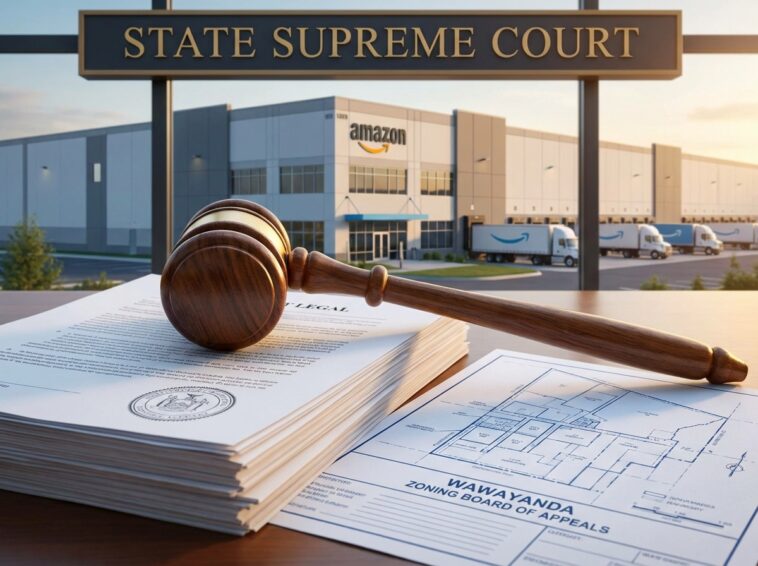
The recent decision by the State Supreme Court in Wawayanda has sparked a significant conversation over zoning practices, local economic growth, and community protection. After reviewing the giant five-story Amazon distribution center project, the court upheld the zoning board of appeals’ (ZBA) decision that denied a height variance for a warehouse slated to tower over 100 feet. This ruling brings into sharp focus the tricky parts of local zoning laws, the tangled issues of community versus corporate goals, and the confusing bits of public policy and regional development.
In this opinion editorial, I will take a closer look at this case and explore its wider implications. I’ll discuss the arguments, reactions, and the far-reaching decisions made by local authorities and state-selected officials involved with this high-stakes project. Readers will find a thoughtful analysis balancing local community interests, economic development, and the pressures of modern urban expansion.
Legal Background and the Zoning Dispute
The heart of this controversy lies in the zoning dispute brought before the local appeals board. Developers behind Amazon’s distribution center sought permission for a warehouse that would break the height limit, pushing beyond the customary 100-foot threshold. The local zoning board denied this request, citing concerns over community safety, neighborhood character, and adherence to planning policies. Critics argued that the structure’s towering presence would disrupt the local skyline and strain municipal resources.
Interestingly enough, even though the town planning board later approved the project, the denial of the height variance by the ZBA stood as the crux of the legal battle. The Supreme Court’s decision effectively means that despite local planning board enthusiasm, zoning laws and their proper procedures must be followed without shortcutting important regulations.
This case highlights the nerve-racking twists and turns present in modern land use challenges, especially when it comes to large corporate developments set against the backdrop of established community values.
Understanding the Legal Process: A Step-by-Step Look
There are several key steps and decision points worth exploring to understand how this case evolved and why the court ruled as it did. Breaking down the legal process helps clarify matters for both residents and stakeholders affected by these decisions.
- Initial Application: Developers applied for a height variance for a new Amazon distribution center in Wawayanda.
- Zoning Board Appeal: The ZBA reviewed the application and rejected the request, citing concerns about neighborhood character and compliance with local ordinance.
- Town Planning Board Approval: In parallel, the town planning board approved the project, focusing on broader development goals.
- Financial Incentives: The Orange County Industrial Development Agency (IDA) had extended financial incentives to the project, which included payments in lieu of taxes; however, these inducements were later rejected by a state-appointed monitor, adding another layer of complexity.
- Supreme Court Review: Ultimately, the case reached the State Supreme Court, where Justice Maria Vazquez-Doles thoroughly examined the facts before upholding the ZBA’s decision.
This step-by-step look underscores the important role that each level of governance plays in managing your way through issues that are both complicated and layered with various public interests.
Community Perspectives and Mixed Reactions
The decision has elicited a spectrum of reactions from community groups, local politicians, and economic development advocates. For example, Pramila Malick, founder of Protect Orange County, expressed admiration for the judge’s decision. “I had lost faith in the justice system for a long time, but this judge really did a great job. She really dove deeply into the facts of the case and came out with a decision that is 100 percent consistent with the law as we know it,” Malick commented. Her praise reflects how this ruling has resonated in circles advocating for strict adherence to local zoning laws.
On the other hand, supporters of the project underscore the potential economic incentives that accompany such a large-scale development. Conor Eckert, President of the Orange County Partnership, highlighted the benefits, stating, “We focused on supporting dynamic and responsible economic development as next steps play out. Delivering tax revenue, job creation, and opportunities for local labor are critical to long-term community growth and sustainability.”
These sharply contrasting views point to the inherent tension between protecting community interests and fostering corporate-led progress. In practice, finding your way between these priorities is no small feat, especially when local expectations and state policies intersect.
Impact on Local Zoning and Development Policies
This decision has significant consequences for zoning practices and the future of large development projects in New York state. Here are some key subtopics that merit further discussion:
Community Concerns Over Change
Many local residents view tall distribution centers as imposing and out of step with the character of their neighborhoods. The denial of the height variance not only preserves the existing skyline but also helps maintain the community’s identity. Critics argue that overlooking local norms in favor of unchecked development can lead to disruptive changes in the local lifestyle and neighborhood harmony.
A few points to consider regarding community sentiments are:
- Preservation of Character: Local neighborhoods have distinct architectural and environmental features that residents wish to protect.
- Traffic and Infrastructure: Taller, larger facilities often come with increased traffic and strained infrastructure, leading to long-term planning challenges.
- Noise and Pollution: Heightened industrial activity in residential areas can affect quality of life through noise and potential environmental impacts.
Understanding these small distinctions is key for policymakers when constructing approval processes for large projects that affect local communities.
Economic Arguments and the Importance of Job Creation
Supporters of the development stress that large corporate projects like Amazon distribution centers are essential for economic growth, job creation, and increased tax revenue. The promise to bring local labor opportunities and boost regional economic sustainability is a strong argument for proponents. This perspective, however, must be weighed against concerns over community disruption and environmental capacity.
Below is a table summarizing the economic benefits versus the community challenges:
| Economic Benefits | Community Challenges |
|---|---|
|
|
This comparison highlights how the benefits, while significant, come with their own set of intimidating risks and long-term challenges that must be thoughtfully addressed by both public officials and community groups.
Balancing Corporate Interests with Local Autonomy
The case has further raised questions about the balance between corporate interests and the desire of local communities to self-govern their land use decisions. The dissonance between the town planning board’s approval and the ZBA’s veto shines a light on the delicate dance local governments perform when faced with pressure to promote economic investment while also preserving established community norms.
Key points in this balance include:
- Regulatory Integrity: Upholding zoning ordinances is critical to ensure that development is sustainable and aligns with local plans.
- Economic Incentives: While financial inducements can spur local development, they must be carefully designed to avoid compromising local control.
- Community Wellbeing: Decisions must reflect the interests of local residents, who bear the direct impact of any large-scale project.
When coping with these competing priorities, officials must figure a path that respects both the law and the lived experiences of those in the community.
Legal Reasoning and the Supreme Court’s Rationale
In its decision, the State Supreme Court, with Justice Maria Vazquez-Doles presiding, made a point of examining the fine points of the case with care. The court’s opinion not only rejected the developers’ appeal for the variance but also reinforced the role of standardized procedures for local zoning decisions. This outcome was less about siding with or against corporate ambitions and more about ensuring that all stakeholders follow the proper legal process.
The court’s process involved:
- Review of Local Ordinances: Ensuring that all zoning decisions are in line with existing laws and municipal guidelines.
- Assessment of Community Impact: Evaluating the broader effects on the neighborhood, including potential disruptions.
- Scrutiny of Financial Incentives: Looking at the decisions made by the Industrial Development Agency regarding tax incentives and evaluating their consistency with state policy.
In essence, the court’s decision sends a clear message: when projects impact local communities, they must come within the established legal framework—a framework designed to protect public interest and public safety.
Community Involvement and Grassroots Advocacy
Grassroots communities and local advocacy groups have played a substantial role in this saga. Organizations like Protect Orange County and Save Wawayanda have been vocal about their concerns regarding not just the height of the building but the overall impact of such developments on the region’s character and environmental well-being. Such groups are dedicated to representing the voices of local residents who worry that economic development might come at too steep a societal price.
Some of the main concerns they highlight include:
- Environmental Impact: Increased construction and operational activities can burden local ecosystems and alter the natural landscape.
- Community Identity: Local groups emphasize the risk of losing the unique charm and historical character of their towns.
- Transparency in Decision-Making: Advocacy groups push for more open and detailed discussions in public forums where critical decisions are made.
These groups have also utilized public meetings, social media campaigns, and informal town halls to get into the nitty-gritty of zoning discussions. Their efforts underscore the need for community voices in debates that are riddled with tension and loaded with issues affecting everyday lives.
Economic Development Versus Environmental Protection
The decision has reinvigorated a broader discussion on how regions can attract business investments while simultaneously protecting the local environment and community well-being. Amazon’s proposed distribution center serves as a case in point where economic prospects clash with environmental and social concerns. This intersection has become a recurring theme in many zoning and land use disputes across New York and beyond.
The arguments in favor of economic development often emphasize:
- Job Opportunities: Large projects bring a variety of skilled and unskilled jobs, contributing to lower unemployment levels.
- Revenue for Public Services: Tax revenues generated by these projects can support local schools, parks, and infrastructure improvements.
- Improved Infrastructure: Developments of this magnitude tend to catalyze upgrades in local roadways, utilities, and communication networks.
Conversely, those concerned about environmental protection argue that:
- Ecological Disruption: Oversized projects can create undesirable impacts on local wildlife and green spaces.
- Future Urban Sprawl: By setting a precedent for high-intensity development, communities may find themselves overwhelmed by further expansions.
- Long-Term Sustainability: Rapid development without appropriate safeguards can endanger the delicate balance between urban growth and environmental stewardship.
The Supreme Court’s ruling, by reinforcing local zoning integrity, can be seen as a nod toward protecting environmental and community interests. It is a reminder to policymakers and developers alike that each project must be evaluated not only on economic merits but also on its impact on social and natural resources.
Moving Forward: Policy Implications and Future Considerations
This landmark decision brings several important policy implications to the forefront. Local governments and regulatory bodies are now under increased pressure to build transparent frameworks that can satisfactorily address both economic growth and community preservation. Some immediate considerations include:
- Reviewing Zoning Regulations: Ensuring that local ordinances remain clear and robust enough to address evolving development challenges.
- Enhancing Public Engagement: Providing better platforms for community members to voice their opinions and participate in decision-making processes.
- Balancing Incentives: Structuring financial inducements in ways that do not compromise critical local regulations or lead to potential abuses of power.
- Environmental Safeguards: Integrating comprehensive environmental reviews into the planning process to minimize adverse impacts.
As counties and cities continue to compete for investments and job creation, the local decision-making process must be both resilient and adaptive. In many ways, the Supreme Court’s ruling sets a precedent for how similar disputes might be handled in the future, reinforcing the idea that sustainable development depends on finding a balanced, lawful approach.
The Role of State-Level Oversight and Interagency Coordination
One of the intriguing aspects of this development is the state-level oversight provided by the Industrial Development Agency (IDA) and, subsequently, by a state-appointed monitor. Financial incentives, including significant payments in lieu of taxes, were extended to soften the impact of large-scale developments on local economies. However, the monitor’s decision to reject these incentives underscores the importance of interagency coordination and adhering to state guidelines in addition to local rules.
This aspect of the case raises several pressing questions:
- Are local agencies equipped to balance economic inducements with zoning compliance?
- What mechanisms should be put in place to ensure state-level oversight complements local decisions?
- How can transparency be maintained when multiple layers of government impact a single development project?
Such questions are not easily answered, but they are central to ensuring that future developments are both legally sound and economically responsible. By taking a closer look at these issues, policymakers have the opportunity to create frameworks that are better suited to addressing the off-putting challenges posed by massive industrial projects.
Challenges in Achieving Equitable Development
The Amazon distribution center case in Wawayanda casts a spotlight on the inherent challenges of achieving equitable development. On one hand, good economic development must deliver essential services, generate a stable source of job creation, and invigorate local tax bases. On the other, projects of this scale often lead to disproportionate burdens on underserved communities, exacerbating existing tensions.
Several issues emerge from this balancing act:
- Disparity in Decision-Making Power: Large corporations may have more resources to influence outcomes compared to local advocacy groups or individual residents.
- Environmental Justice Concerns: Communities with fewer resources may be hit harder by adverse impacts such as pollution and traffic congestion.
- Long-Term Socioeconomic Disruptions: While short-term gains may be clear, the long-range implications of altering a community’s character can be significant and often irreversible.
This case compels us to consider how local regulations can be fine-tuned to ensure that growth is both sustainable and inclusive. Clear benefits must be weighed against the potential long turns that might hurt community cohesion and available open spaces. The legal framework surrounding zoning appeals, as seen here, is a small but critical piece of a much larger puzzle.
Lessons Learned and Key Takeaways
The outcome in Wawayanda offers valuable lessons for everyone involved in urban and economic planning, including policymakers, developers, and local residents. Reflecting on this case, we can draw several key takeaways:
- Adherence to Local Laws: No matter the economic potential, developers must respect established zoning guidelines to protect community interests.
- Importance of Detailed Reviews: Judicial and administrative bodies must examine every little twist and turn of a proposal to safeguard public welfare.
- Transparent Processes: Providing clear, open, and participatory channels for public input helps build trust and ensures that everyone has a say in the development process.
- Cooperation Across Government Layers: Effective interagency cooperation is key to reconciling local ambitions with state-level interests and guidelines.
Each of these takeaways adds to our understanding of how to manage large projects that have a lasting impact on community identity, environmental sustainability, and economic dynamism.
Expert Reflections and Future Directions in Zoning Policy
In reflecting on the Supreme Court’s decision, legal experts argue that the ruling should serve as a precedent for maintaining a careful balance between economic development and community preservation. Many analysts have stressed that while the financial benefits of projects such as these are undeniable, they must be approached with a deep sense of accountability and foresight.
Experts suggest several future directions for policymakers:
- Strengthening Zoning Codes: Make your way through any regulation by updating zoning codes that are clear and adaptable to modern challenges.
- Robust Public Hearings: Enhance community engagement processes to ensure that every voice is heard when local projects are proposed.
- Integrated Review Processes: Develop more organized frameworks for the concurrent review of economic, environmental, and social impacts.
- Enhanced Oversight Mechanisms: Coordinate state-level oversight more closely with local decision-making bodies to prevent regulatory loopholes and ensure fairness.
These steps are critical for creating a comprehensive zoning policy that is not just reactive, but proactive—designed to address both immediate concerns and future challenges. As we move forward, the lessons learned in Wawayanda point the way toward a more balanced, inclusive approach to urban development.
Conclusion: A Careful Path Forward
The Supreme Court’s decision to uphold the zoning board’s denial of a height variance for the Amazon distribution center in Wawayanda stands as a milestone in local development law. This ruling underscores the essential role that well-enforced local zoning rules play in ensuring that expansive projects do not overwhelm community character or strain municipal infrastructure.
While the economic benefits brought about by such projects are certainly attractive, we must be wary of rushing into development that disregards the off-putting real-world impacts on daily life. The case presents several small distinctions and subtle details that policymakers, legal experts, and community members alike must take into account as they work through various proposals in the future.
The voices from both sides of the debate—those inspired by potential economic growth and those committed to preserving community integrity—offer a nuanced picture of the challenges we face. In a time when change can feel overwhelming and decisions are riddled with tension, the lesson here is clear: maintaining a fair legal process and listening to community input is crucial to ensuring sustainable, equitable development.
Looking ahead, the Wawayanda case serves as an essential reminder of how our legal system can help find your way through the complicated pieces of modern development. The decision, while specific to one project, has broad implications for future urban planning across New York. By taking a closer look at both the positive outcomes and the potential pitfalls demonstrated in this case, all stakeholders are better positioned to figure a path that combines progress with preservation.
Ultimately, this ruling is not the end of the dialogue but rather the beginning of an ongoing conversation about how best to harness powerful economic opportunities while respecting the delicate, often intimidating balance of local community values and environmental sustainability. As cities and towns evolve, such discussions remain super important to ensure that every developmental step taken today paves the way for a balanced and prosperous tomorrow.
For residents, developers, and local government officials, the clear message is that any future projects must be evaluated not only on their economic merits but also on their potential impact on the neighborhoods they intend to transform. Engaging in continuous dialogue, updating legal frameworks, and fostering robust oversight procedures are key strategies in managing your way through the tricky parts and hidden complexities of modern urban development.
In closing, the State Supreme Court’s decision in Wawayanda reminds us of the critical interplay between law, community values, and economic ambition. It compels us to work on finding a middle ground where growth does not come at the expense of local character, where progress enriches community life rather than detracting from it, and where every decision is made with both immediate benefits and long-term consequences in mind. The future of zoning policy and local economic development depends on our ability to think deeply, act responsibly, and maintain a steadfast commitment to all those who call these communities home.
Originally Post From https://midhudsonnews.com/2026/01/05/state-supreme-court-lets-wawayanda-zba-amazon-decision-stand/
Read more about this topic at
Court upholds ruling in favor of developers after lawsuits …
Zoning and the Supreme Court | Research Starters