Understanding the Issue of Meter Creep at Gas Stations
It is no secret that gas stations play an essential role in our everyday lives. Every day, millions of drivers fill their tanks and, ultimately, trust that the numbers on the pump accurately reflect the fuel they receive. However, a peculiar phenomenon known as “meter creep” could be subtly short-changing consumers. In this editorial, we take a closer look at the issue, exploring its background, the experiences of everyday users, regulatory oversight, and potential solutions to protect the public.
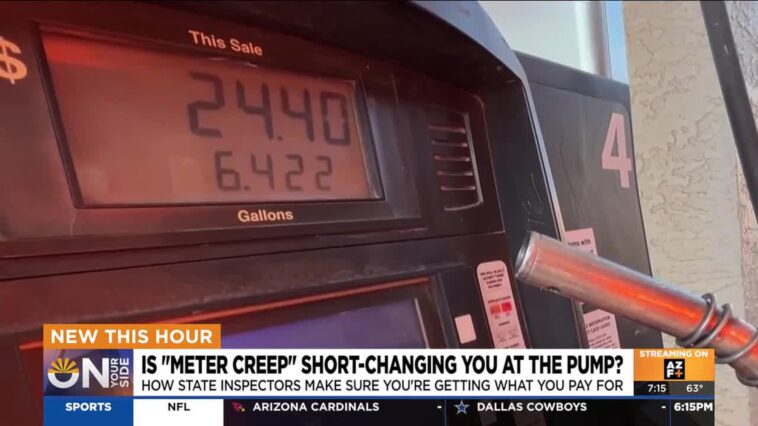
Meter creep is not exactly a headline-grabber until you experience its effects firsthand. When a fuel dispenser continues to register a higher volume of fuel consumption even after the pump is turned off, it can lead to a loss of several cents—or, in extreme cases, more—for each fill-up. The fine points of these occurrences are tricky, and the consequences, although seemingly minor at a glance, can add up to a notable dent in a consumer’s wallet over time.
Real-Life Encounters with Meter Creep
Consider the story of Eric East, a dedicated worker who frequents a local gas station on Grant Street to refuel work trucks. One ordinary morning turned into a cause for concern when he observed that the numbers on the pump continued to rise, even after he stopped pumping. This happening repeatedly led him to document the anomaly and report it to the station’s management. His story, along with many voices in the community, brings home the potential cost hidden in these seemingly mundane interactions.
Consumers often find themselves in a situation where they are unaware of the meter creep until it is too late. In many cases, people are so preoccupied with their busy schedules that they may not notice the slight yet steady increase on the meter. This has led to continuous debates on whether more rigorous oversight and public education are required to illuminate the subtle parts of meter error that could be misleading or even problematic.
How Meter Creep Impacts Consumers
The implications of meter creep can be far more expansive than a minor loss of money. While the numbers may only indicate a loss of a few cents per fill-up, over time these losses can multiply, especially for commercial drivers or individuals who frequently refuel their vehicles. The danger is real, as even a small discrepancy—measured in tablespoons over gallons—can ultimately affect consumer trust and fuel costs.
In the context of consumer safety and fair trade practices, meter creep represents not only a technical malfunction but also a potential breach of trust between service providers and their customers. When the equipment is not adequately monitored and regulated, the consequences can lead to doubts about transparency and accountability at fuel stations.
Regulatory Oversight and the Role of State Agencies
State agencies, such as Arizona’s Weights and Measures Services Division, play a critical role in finding your way through these tricky situations. These teams inspect hundreds of gas stations every year to ensure that fuel dispensers provide an accurate measure of the fuel delivered. For instance, supervisors like Mike Brooks have remarked on how meter creep is promptly addressed during routine inspections. When issues are discovered, the standard procedure involves taking the affected pump out of service until repairs can be completed.
This form of regulatory oversight is essential to protect consumers. The procedures include using a “prover” tank to pump a fixed amount of fuel—typically five gallons—and then comparing the registered amount. If the numbers differ by more than acceptable tolerances, it signals that the device is either short-changing or over-dispensing. Even though it might be nerve-racking to consider the potential for overcharging, inspectors note that most failures actually result in giving away a little extra fuel, meaning that consumers might sometimes be receiving free gas. However, short-changing users remains the primary concern due to its direct monetary impact.
Steps Taken During Inspections
The inspection process is a detailed procedure that involves several checks and balances. Here is a simplified breakdown of the steps:
- Initial Observation: Inspectors start by watching the meter carefully before and after the fuel is pumped.
- Timed Checks: They wait for about 15 to 30 seconds after the pumping stops to see if any additional credit is being added post-operation.
- Using a Prover Tank: The fuel is then pumped into a calibrated tank, and the amount dispensed is compared to the pump’s reading.
- Error Analysis: A discrepancy of minus seven is a red flag, prompting the immediate removal of the unit from service.
- Follow-up Actions: If errors above the accepted threshold are detected, corrective repairs are mandated, ensuring that the pump adheres to the necessary standards.
Such measures are indispensable when striving to reduce the rate of meter creep. Not only do they serve as a deterrent for neglect in maintenance, but they also reinforce public trust in local fuel providers and regulatory agencies.
Technical Factors Behind Meter Creep
To truly get into the issue of meter creep, one must consider the technical factors that contribute to it. There are several subtle details that can lead to meter misbehavior:
- Wear and Tear: Due to the frequent use of these pumps, mechanical degradation is an inevitable issue. Over time, parts can become worn, leading to inaccurate fuel dispensing.
- Calibration Problems: Fuel pumps must undergo regular maintenance and calibration. However, if these procedures are delayed or skipped, the gauges might malfunction.
- Environmental Influences: Exposure to weather conditions, such as extreme temperatures or humidity, can affect the pump’s performance.
- Software Glitches: As pumps become increasingly reliant on electronic components, software-related issues may also contribute to measurement errors.
A table below summarizes the common technical issues and their potential contributions to meter creep:
| Technical Factor | Description | Impact on Accuracy |
|---|---|---|
| Wear and Tear | Mechanical components degrade over time due to extensive use. | May lead to both under-reporting or over-reporting of fuel dispensed. |
| Calibration Issues | Infrequent or improper calibration routines. | Directly affects the accuracy of fuel measurement. |
| Environmental Impacts | Exposure to extreme weather conditions. | Can cause fluctuations in readings and malfunctioning sensors. |
| Software Problems | Errors in the digital systems controlling the pump. | May result in systematic miscalculations post-operation. |
Understanding these technical aspects and their respective impacts is essential to appreciate the hidden complexities involved in maintaining fuel dispenser accuracy. The proactive steps taken by both service providers and regulatory authorities emphasize the need to consistently manage these challenges.
Consumer Awareness and the Importance of Vigilance
As illustrated in the case of Eric East, consumer vigilance is key when it comes to identifying potential errors like meter creep. There is often a delay between when the anomaly occurs and when a consumer realizes something is off. Being aware of these subtle details may help drivers avoid being short-changed. For example, if you notice that the meter continues to roll after you’ve stopped pumping, it is recommended that you immediately stop the process, check the final reading, and report the matter to both the station manager and the relevant regulatory body.
Consumer safety guidelines, therefore, must be clear and easily accessible. Below are some practical steps for drivers who suspect a problem with the pump:
- Monitor the Meter: Keep an eye on the reading during and after fuel delivery.
- Report Anomalies: Inform the gas station personnel right away if you notice any irregular behavior.
- Document the Issue: If possible, note the pump number, location, and the specifics of what you observed.
- Contact Authorities: Use the contact information provided on the pump to alert the state’s weights and measures division.
By following these guidelines, consumers can be more proactive, potentially catching the issue early on before it accumulates into a larger financial concern. Such consumer-led vigilance contributes significantly to community oversight, ensuring that fuel stations remain fair and honest in their operations.
Industry Response to Meter Creep Concerns
The gas station industry, including major players like Circle K, takes these concerns seriously. In response to the criticism regarding meter creep, many companies have emphasized their commitment to routine maintenance and meticulous calibration of fuel pumps. The rationale is straightforward: keeping equipment in top condition is not only a legal responsibility but a cornerstone of customer service.
Chris Barnes, a spokesperson for Circle K, stated in a press release that the company is dedicated to ensuring consumers receive precisely what they pay for—down to the penny. Such statements emphasize that, while meter creep is uncommon, it is not ignored. Instead, companies push for continuous improvements, in part through regular maintenance cycles and active response to any reported incidents.
From an industry standpoint, addressing meter creep involves a two-pronged approach. First, advancing the technology behind fuel dispensers ensures that the equipment is less susceptible to mechanical and software issues. Second, enhancing worker training and protocol in handling complaints can bolster customer trust in the service provided.
Measures Implemented by Fuel Providers
Fuel providers have implemented several measures to cope with meter creep and improve overall service quality. Some of these measures are:
- Routine Calibration: Regularly scheduled maintenance checks and calibrations ensure that the pump readings remain within established tolerances.
- Immediate Repair Protocols: When a potential meter issue is identified, stations are quick to remove the faulty pump from service until repairs are executed.
- Staff Training: Employees are trained to recognize signs of meter creep and are instructed on how to assist customers who report anomalies.
- Customer Communication: Transparency with customers is maintained by displaying support information and contact details directly on the pump for any fuel-related issues.
These measures not only help in reducing the occurrence of meter creep but also serve to reassure consumers that corrective actions are readily available. A table summarizing these initiatives is provided below:
| Initiative | Description | Benefit |
|---|---|---|
| Routine Calibration | Scheduled maintenance to recalibrate fuel dispensers. | Improves measurement accuracy and reduces error margins. |
| Immediate Repair Protocols | Quick removal and repair of malfunctioning units. | Ensures faulty pumps do not affect consumers. |
| Staff Training | Training programs to help employees recognize issues. | Promotes a culture of vigilance and customer service. |
| Customer Communication | Providing visible contact details and support. | Enhances transparency and trust in operations. |
Legal and Regulatory Perspectives on Meter Accuracy
From a legal standpoint, ensuring that consumers are charged correctly for the fuel they receive is paramount. Existing laws require that fuel pumps meet strict accuracy standards, and companies found to be repeatedly short-changing customers face legal consequences. The challenge, however, lies in the intricate and sometimes confusing bits of proof required to formally establish wrongdoing.
The state’s weights and measures division is responsible for enforcing these legal standards. Their process involves testing, documentation, and, when necessary, legal action against non-compliant stations. The system is designed to find your way through the twists and turns of technical evidence and consumer complaints, ensuring that any deviation from the standard is quickly remedied.
Balancing Consumer Rights and Business Obligations
There is an inherent balance between protecting consumer rights and recognizing the operational challenges faced by businesses. On one hand, the law is clear: consumers have the right to receive the exact amount of fuel for which they pay. On the other hand, the fine points of fuel dispenser maintenance might involve complicated pieces, including technical glitches that sometimes lead to over-dispensing as well as under-dispensing.
This duality has given rise to ongoing discussions, particularly in legal circles, about the extent of fault that should be attributed to meter creep. For regulators and the industry alike, the goal is to reduce the incidence of such errors, thereby ensuring that fair practices are maintained without imposing an overwhelming burden on fuel providers.
Some companies have adapted to these legal requirements by investing in advanced technologies that reduce the probability of meter creep. This approach not only mitigates potential legal risks but also serves to enhance overall consumer confidence. Thus, both sides of the equation—consumer protection and business sustainability—benefit when technological solutions are implemented effectively.
The Broader Implications for the Fuel Retail Industry
While meter creep might appear as a minor technical issue at first glance, its broader implications for the fuel retail industry are significant. As consumers become increasingly savvy about the details of their transactions, even small discrepancies can spark wider debates on ethical business practices and regulatory effectiveness.
The public’s reliance on fuel stations for daily transportation needs means that these issues are far from trivial. Every moment that a pump continues to count beyond the stopping point, every extra fraction of fuel dispensed without proper calibration, can erode the trust consumers place in these essential services.
Moreover, discussions arise about whether the current regulatory framework is sufficiently robust to address all the hidden complexities of modern fuel dispensing technology. Given the constant evolution of both mechanical and software components in these devices, it becomes essential for oversight agencies and industry players to work together to develop more comprehensive standards.
Future Trends in Fuel Pump Technology
As technology continues to advance, the fuel retail industry faces the challenge of integrating newer systems with traditional infrastructure. Future trends hint at the possibility of implementing digital monitoring systems that offer real-time diagnostics and automated alerts when anomalies such as meter creep occur.
Here are a few key trends that could shape the future of fuel pump technology:
- Real-Time Data Transmission: Advance systems could soon send live data to central monitoring stations, allowing for immediate detection and rectification of issues.
- Automated Calibration: Leveraging artificial intelligence to automatically recalibrate fuel dispensers could minimize human error and reduce maintenance delays.
- Enhanced Security Protocols: Protecting the system from hacking and software tampering will become increasingly important, ensuring that authentication is robust and secure.
- Improved User Interfaces: More intuitive designs will help consumers better understand their transactions and alert them to any anomalies in real time.
The adoption of these innovations would not only improve operational efficiency but also provide consumers with a sense of reassurance. When technology and user awareness go hand in hand, the entire process of fueling becomes more transparent, making it easier for both parties to steer through any challenges that might arise.
Addressing the Consumer Concerns and Building Trust
At the heart of the meter creep debate lies the issue of consumer trust. For too long, passengers at the pump have had to accept that a slight error in measurement might be inevitable. However, in an era where even a few extra cents matter, building and maintaining trust is super important for the long-term success of any business in the fuel retail industry.
Consumers expect transparency, clear communication, and a prompt response when issues do arise. Companies are increasingly being evaluated not just on the accuracy of their equipment, but also on how they manage and resolve problems. Meeting these expectations is essential for businesses to stay competitive in a market where consumer opinions can be as influential as pricing and location.
Practical steps to build consumer trust include:
- Transparency in Operations: Regular updates regarding maintenance schedules and inspection outcomes can reassure customers that the company is on top of any issues.
- Accessible Customer Support: Making it easy for consumers to voice concerns and receive prompt assistance is a critical element in maintaining trust.
- Community Engagement: Hosting informational sessions or publishing articles that explain how fuel quality and metering accuracy are ensured can demystify the process for the average consumer.
By addressing these consumer concerns head-on, the industry can create an environment where customers feel both respected and informed. Trust is built on a foundation of reliability and accountability—two elements that every gas station should strive to uphold in their day-to-day operations.
Implications for Policy Makers and Regulatory Bodies
Policy makers and regulatory bodies have a super important role to play in establishing guidelines that protect consumers and ensure industry accountability. The challenge is to create standards that are stringent enough to prevent exploitation, yet flexible enough to accommodate technological advancements and the practical realities of daily operations.
To get into the heart of this issue, let us consider the following key points that demand attention from legislators and regulators:
- Regular Compliance Audits: Increasing the frequency and thoroughness of inspections can help catch meter creep before it becomes a habitual problem.
- Updated Calibration Standards: As technology evolves, so too should the calibration requirements and error tolerances for fuel dispensers.
- Mandatory Reporting Mechanisms: Establishing a streamlined, accessible system for consumers to report issues will ensure that complaints are acted upon swiftly and efficiently.
- Incentives for Technological Upgrades: Encouraging fuel providers to adopt the latest technology through tax breaks or subsidies can accelerate the overall improvement in pump accuracy.
By adopting a proactive regulatory strategy, policy makers can create an environment in which both consumers and businesses sense that the system is fair and transparent. Building a robust framework for oversight not only benefits the consumer but also fosters a level playing field for all players in the industry.
Community Perspectives on Meter Creep
Across communities where gas stations are integral to daily routines, there is growing awareness of issues like meter creep. Consumers are beginning to speak up, sharing their experiences on social media, local news outlets, and even in community meetings. This increased public discourse is driving both industry leaders and regulators to take a closer look at how fuel pump systems are monitored and maintained.
Community engagement in these discussions serves several important functions:
- Highlighting Unnoticed Issues: First-hand accounts help shine a light on occurrences that might otherwise be brushed aside as technical glitches.
- Promoting Accountability: When consumers come together to voice concerns, it reinforces the need for rigorous oversight and accountability from both regulatory bodies and fuel providers.
- Enhancing Transparency: Public discussions encourage companies to be more upfront about their operational practices and the measures they take to address problems.
Ultimately, a well-informed community is better equipped to work through the puzzling bits of any technical issue. As more and more drivers share their experiences, the industry is forced to take a proactive stance, ensuring that meter creep remains an exception rather than the rule. This collaborative approach between consumers, industry, and regulators can create a more resilient and trustworthy infrastructure for fuel delivery.
Learning from Past Incidents and Planning for the Future
Reflecting on past encounters with technological shortcomings like meter creep offers valuable lessons for the future. While individual cases might seem isolated, each incident contributes to a larger picture about the ways in which technology, regulation, and consumer practices intersect. By examining these episodes, both fuel providers and regulatory bodies can better gauge what improvements are necessary.
Looking ahead, there are several steps that can help mitigate the risk of meter creep and similar issues:
- Enhanced Monitoring Systems: Integrating advanced sensors and digital monitoring tools will enable continuous oversight, reducing the likelihood of unnoticed discrepancies.
- Transparent Reporting Metrics: Making data on fuel dispenser accuracy publicly available could encourage higher standards across the board.
- Consumer Education Programs: Educating the public about how to spot abnormalities at the pump will empower consumers to take immediate action and report discrepancies.
- Collaborative Research Initiatives: Bringing together experts in technology, law, and consumer rights can foster new ideas for combating technical issues and improving overall service quality.
By learning from the past and applying those lessons to future innovations, we can ensure that the fueling process remains as fair and transparent as possible. Both regulators and fuel station management must figure a path that balances operational efficiency with rigorous consumer protection.
Conclusion: A Shared Responsibility for Fair and Accurate Fueling
The phenomenon of meter creep, while often overlooked as a mere technical glitch, carries with it broader implications for consumer trust, legal compliance, and industry accountability. Whether it is a matter of mechanical wear and tear, calibration challenges, or software issues, the responsibility for ensuring accurate fuel measurements rests on multiple shoulders.
Consumers must remain vigilant and proactive, paying close attention to the little twists that can accumulate into larger financial concerns over time. At the same time, fuel providers need to uphold rigorous maintenance standards, ensuring that every gas pump dispenses fuel accurately and safely. Regulators and policy makers, for their part, have a super important task: to create and enforce rules that safeguard the public while encouraging continuous improvements in technology.
The success of this multifaceted approach lies in transparency, collaboration, and a collective commitment to everyday fairness. As consumers, companies, and regulators work together to manage the brain-teasing parts of meter accuracy, the overall goal remains simple: to ensure that every driver gets exactly what they pay for, down to the very last drop.
We must all take the responsibility of tackling meter creep seriously—not just for the sake of a few extra pennies, but as a symbol of our commitment to fairness and accountability in even the most routine aspects of daily life. With open communication, timely maintenance, and a readiness to address problems head-on, the industry can confidently steer through these challenges and reinforce the trust that every driver places in the fuel station.
In a world where technology is ever-changing and the stakes—even in small details—continue to rise, finding our way through the confusing bits of technical and regulatory issues is more important than ever. The road ahead may have its twists and turns, but with vigilance and cooperation, we can ensure that every journey begins with fairness and ends with transparency at every stop along the way.
Originally Post From https://www.azfamily.com/2025/11/03/is-meter-creep-short-changing-you-gas-station/?outputType=amp
Read more about this topic at
4 to Watch: Meter Creep Leaves Gas Station Customer in …
Is ‘meter creep’ short-changing you at the gas station?