ICE Detention and Health: Releasing Detainees with Critical Conditions
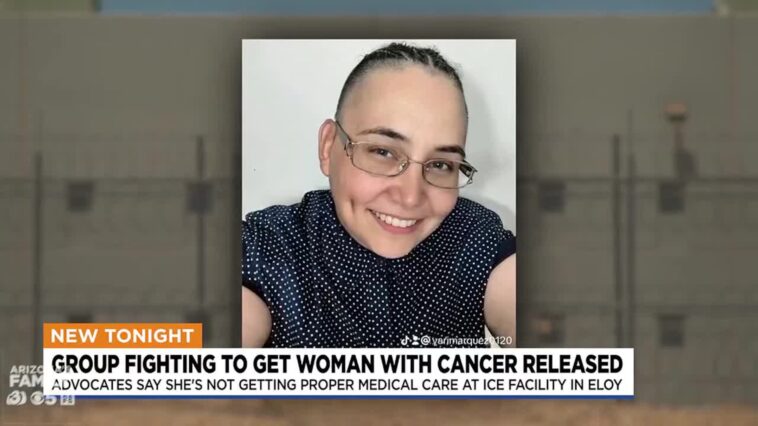
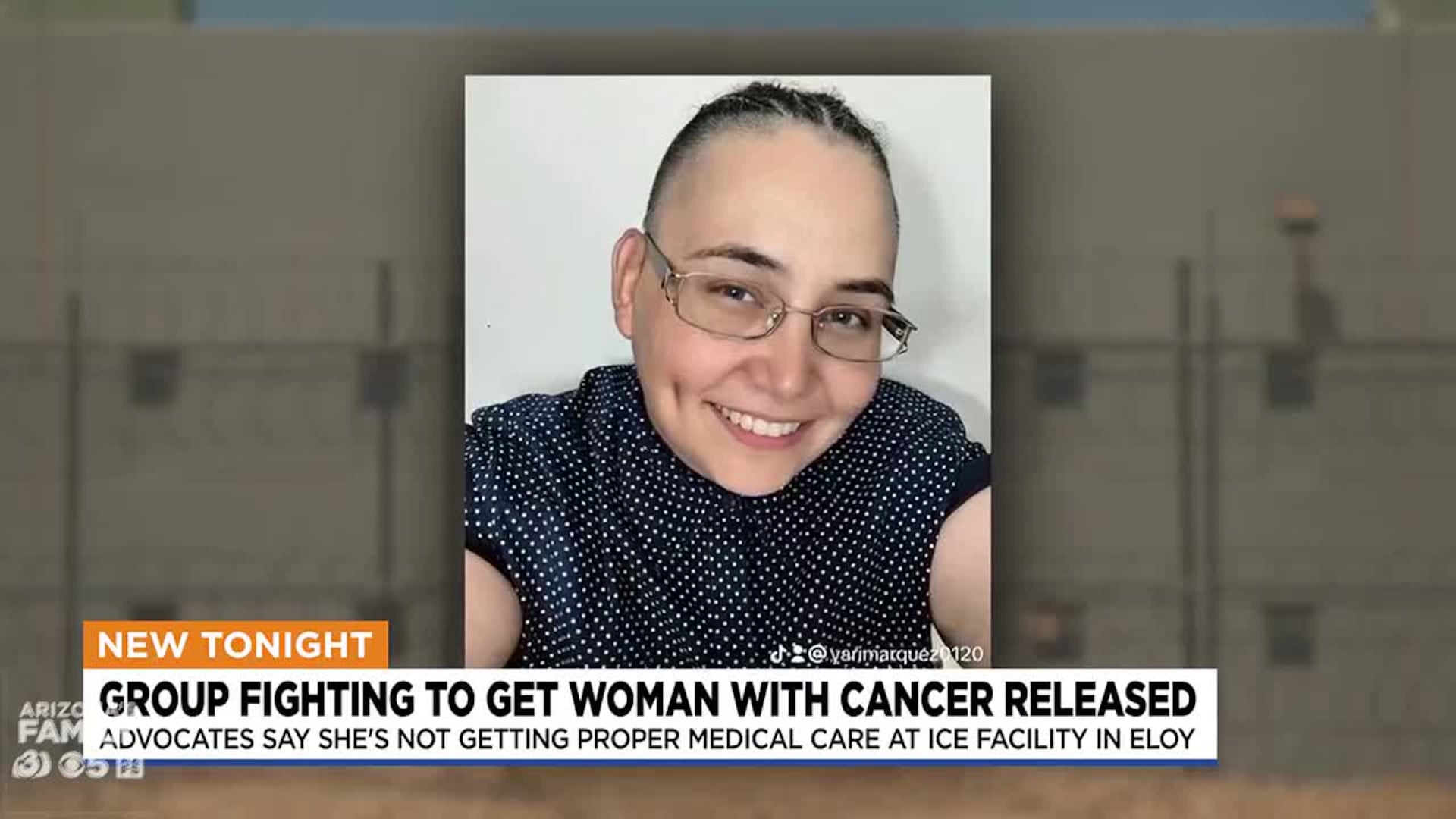
The current debate surrounding immigration detention has taken an unexpected yet critical turn as advocates and legal experts call for the release of vulnerable detainees facing serious health problems. Recent events have brought attention to the case of Arbella “Yari” Rodriguez Marquez, a permanent resident whose battle with Chronic Lymphocytic Leukemia has reached a critical stage while in ICE custody. This opinion piece aims to offer a balanced perspective on the legal and ethical issues embedded in such decisions, while examining the tricky parts of immigration policy, the tangled issues of medical neglect, and the overwhelming implications for those caught in the crossfire.
ICE detention centers have long been the subject of heated debates. On one side, authorities emphasize security and border protection; on the other, civil rights groups decry the inhumane treatment of detainees, especially those with serious medical conditions. The case of Yari Rodriguez Marquez, held for nearly half a year in Eloy Detention Center, symbolizes a situation riddled with problems and moral questions that demand immediate attention.
Legal and Ethical Dimensions in Immigration Detention Facilities
In many respects, the legal framework governing ICE custody is designed to ensure national security. Yet, this framework often appears to be full of problems when applied to cases involving detainees with compounding medical issues. ICE contracts, staffing policies, and oversight for the provision of health care are all supposed to follow federal guidelines. However, a closer look reveals that there are little details—subtle parts—that raise significant concerns regarding the adequacy of care provided to those in detention.
When discussing the legalities of these issues, it is useful to remember that immigration law, while clearly defined in many areas, has its own confusing bits. These bits include the criteria on which detention decisions, paroles, and releases are based, where an individual’s health status becomes one of the critical factors. A legal analysis of the facts in Yari’s case shows that ICE’s decision to deny parole could have been influenced by a stringent interpretation of policy rather than the off-putting reality of her rapidly deteriorating condition.
Critically, it is often argued that once an individual is found to have a serious illness, the state has an essential responsibility to provide appropriate medical care. This responsibility is even more key when the individual in question is already isolated from the support of family members and community networks. The tension between state security measures and humane treatment creates a scenario that is both tense and morally challenging.
Health Crises in Immigration Detention: The Case of a Cancer Diagnosis
One of the most nerve-racking aspects of the immigration detention system is how it manages health crises. In Yari’s case, her diagnosis of Chronic Lymphocytic Leukemia, a notoriously tricky condition that requires consistent and advanced medical intervention, places her in a vulnerable position. Medical professionals and human rights advocates agree that the current standard of care in many detention centers can only be described as the bare minimum. The result is a situation where crucial medication and intensive medical attention are often in short supply.
The implications of denying adequate care in a detention setting are profound. Not only does such neglect risk the life of an individual already facing a life-threatening condition, but it also raises serious questions about the state’s commitment to protecting the basic human rights of all residents, regardless of their legal immigration status. Many argue that forced isolation in detention—especially in environments not designed to adequately care for serious illnesses—adds a layer of overwhelming risk, essentially turning a health crisis into a fatal one.
Detention centers, ideally, should not serve as places where critical health needs are ignored. Instead, they should be structured environments where medical treatment is timely and focused on the unique needs of each patient. The current shortcomings in medical oversight, as demonstrated by reports of significant weight loss, swelling, bruising, and worsening symptoms, highlight a system that is not well-equipped to handle the fine points of complex health care for detainees.
Examining the Legal Responsibilities of ICE and Health Service Providers
From a legal standpoint, ICE’s Health Service Corps is responsible for contracting and overseeing the medical and mental health services provided at detention centers like Eloy. However, when prisoners suffer from severe conditions such as cancer, the question remains whether these services meet the necessary legal and ethical standards. The case of Yari Rodriguez Marquez invites us to take a closer look at these policies and their enforcement.
The legal obligations under U.S. law require that detainees receive a standard care that meets basic human rights. With cancer patients, this duty becomes even more super important. Here, the fine distinction lies in ensuring that any detainee who is ill is not subject to further harm through neglect or inadequate health care provisions. However, when bureaucratic policies and resource limitations come into play, necessary medical interventions may be delayed or deemed insufficient.
Furthermore, the decision to deny parole in cases like Yari’s reflects a broader legal challenge. ICE’s policies were originally designed to manage immigration enforcement but may not sufficiently account for situations involving severe health crises. Those advocating for her release argue that when faced with nerve-racking medical circumstances, extraordinary measures must be taken—measures that prioritize the right to life and effective treatment.
It is essential to understand that these legal conundrums are not isolated incidents. Similar cases across the nation suggest that the current system may be loaded with issues, from cumbersome paperwork to a lack of specialized medical personnel. In these instances, the failure to provide adequate care often exposes a prevailing disconnect between immigration enforcement and humanitarian medicine.
Exploring the Public Policy Implications and the Role of Advocacy
Public policy plays a key role in shaping how detainees are treated within ICE facilities. The current political environment creates an atmosphere where debates over immigration enforcement and health care intersect, often with profound consequences. Advocates for detainee rights argue that any policy failing to address the health needs of detainees—especially those with life-threatening conditions—can have dire outcomes.
At its core, the debate centers on whether ICE should be expected to offer more than just the minimum standard of care. The case of Yari highlights how additional measures could potentially save lives. The rise in online petitions and public outcry demonstrates that there is considerable support for the idea that state agencies need to work through the confusing bits of their policies when such critical human health is at stake.
This public policy discussion must incorporate several key elements:
- Humanitarian Considerations: Policies should reflect the commitment to protect the lives of individuals, especially in cases where medical emergencies occur.
- Legal Accountability: Government agencies must be held responsible for any shortcomings in the provision of medical care that ultimately result in harm.
- Administrative Reforms: Bureaucratic processes that delay parole or access to necessary medication need thorough revision to better address urgent health crises.
- Resource Allocation: Enhanced funding and training for health professionals working in detention centers are critical to address the medical needs of detainees.
Furthermore, a recent petition urging the director of the Eloy Detention Center to release Yari underscores the growing public demand for reform. The mobilization of community groups, legal scholars, and healthcare professionals indicates that the issue is far from marginal; it is a significant social and legal challenge that must be dealt with in a transparent and proactive manner.
Challenges in Providing Adequate Medical Care in ICE Facilities
Providing proper medical care in detention settings is far from simple. Several challenges contribute to the complicated pieces of this issue, including staffing shortages, inadequate facilities, and the large-scale impact of detention on mental health. ICE detention centers, such as Eloy, are often set up for basic processing rather than as centers for long-term medical treatment.
The long-term consequences of this setup are particularly concerning when it comes to treating diseases that require continuous monitoring. Cancer treatments, for instance, need regular updates, adjustments, and sometimes even emergency interventions to prevent rapid deterioration. Unfortunately, the reality within many ICE detention facilities is that detainees receive only rudimentary care—hardly enough to manage the all-important, nerve-racking complexities of their conditions.
From an administrative angle, the process of securing proper medication and advanced medical treatments within a detention center is filled with twists and turns. The communication between detention center officials, medical providers contracted by ICE, and the detainees’ legal representatives is often on edge, leading to delays and misunderstandings. This scenario results in several outcomes, including:
- Delayed access to critical medications
- Insufficient monitoring of rapidly changing health conditions
- Challenges in transferring patients to specialized medical facilities
- High levels of stress and uncertainty among both detainees and their families
This table offers a simplified comparison of ideal health care practices versus the current challenges observed in many detention centers:
| Aspect | Ideal Practice | Current Challenge |
|---|---|---|
| Medical Oversight | Regular, expert reviews and prompt interventions | Delayed or infrequent evaluations |
| Medication Access | Consistent availability of necessary medications | Basic and sometimes insufficient medication |
| Facility Conditions | Clean, safe, and accommodating for complex care | Facilities often not designed for long-term serious care |
| Administrative Responsiveness | Timely responses to urgent medical needs | Bureaucratic delays and inadequate responses |
These challenges not only underline the health-related issues but also highlight the legal and administrative twists and turns that make it hard for detainees to get the care they urgently need.
Balancing National Security with Individual Well-Being
The core purpose of ICE detention is to enforce immigration laws in a manner that also safeguards national security. However, this objective often comes into conflict with the well-being of individuals who are most at risk. In this context, the legal and ethical discussions become particularly complicated when the person in custody is facing a life-threatening disease. The dilemma is clear: how can agencies ensure that they are both protecting national borders while not sacrificing the well-being of individuals who are already suffering?
Critics argue that the current system is on edge, with its policies loaded with issues that complicate simple decisions about parole. Here, the need to release detainees with pressing medical issues is a key consideration that must be accommodated in ICE’s strategic approach. It is not enough for the government to state that specific detention policies are designed solely for security purposes when they neglect the super important aspect of health care for those in severe distress.
Legal experts underscore that the right to life is embedded in many constitutional frameworks, creating a legal imperative for ICE to find a path that does not force vulnerable individuals to suffer. The case of Yari Rodriguez Marquez demonstrates how, once a person is detained, their continued confinement in a setting unfit for addressing a serious health crisis may well constitute a violation of basic human rights. In light of this, it becomes critical to figure a path that reconciles national security needs with the equally crucial need for humane treatment.
This balancing act leads to several open questions:
- What legal standards should apply when a detainee’s medical needs become life-threatening?
- How can ICE ensure that its contracted medical services are up to par with established human rights standards?
- What role should advocacy groups play in reshaping the policies that govern detention centers?
Such questions point to the need for a coordinated response that brings legal expertise, medical knowledge, and a strong moral commitment into a single framework. Enhancing cooperation between government agencies and public health experts is essential to rethinking policies that have already shown significant weaknesses in high-stress, complicated situations.
Advocacy and the Push for Legal Reforms
Over the past several years, public advocacy has emerged as a formidable force in pushing for reforms in immigration detention practices. Community groups, human rights organizations, and legal experts have all joined forces to call for greater transparency and accountability. The petition to release Yari Rodriguez Marquez is not merely a call for one individual’s freedom but symbolizes a broader struggle against a system that many view as neglectful of the needs of those in its custody.
The advocacy movement reflects a growing awareness of the following points:
- Human Rights: Every individual, regardless of immigration status, has the right to accessible and effective medical treatment.
- Legal Oversight: There is a pressing need for external oversight to monitor how ICE implements health policies within detention centers.
- Policy Revisions: Bold changes in detention policies are required to better address the need for care of seriously ill detainees.
Advocates argue that detention centers must evolve to become places where judicial and humanitarian considerations are balanced in a fair and transparent manner. In addition to legal reforms, many believe that additional resources should be allocated to medical facilities within these centers, ensuring that individuals like Yari receive the help they desperately need.
One of the crucial steps in the process is establishing an independent review board tasked with regularly inspecting detention centers’ medical services. This board would be charged with evaluating whether the facilities meet essential standards and recommending changes where necessary. If such measures are adopted, ICE could begin to rebuild public trust, showing that it is willing to work through the tangled issues of its existing policies to create a more humane system.
Legal Precedents and International Perspectives
An examination of legal precedents, both nationally and internationally, reveals that the challenges faced in U.S. detention centers are not unique. Many countries grapple with the balance between security and the obligations toward detainees’ health and welfare. International human rights instruments stress that detention, when used, must always be consistent with a nation’s commitment to protecting dignity and ensuring appropriate medical care.
Countries with more robust oversight mechanisms provide valuable lessons on how to handle cases where detainees are suffering from life-threatening illnesses. A comparative look at international practices suggests that when policies are designed with a focus on human rights, the tendency is not to have detainees languish in conditions that worsen their health dramatically. Instead, there is an emphasis on ensuring that medical care is uninterrupted and meets modern standards.
Moreover, legal scholars indicate that there is an emerging trend in which the courts have ruled in favor of releasing detainees who are in urgent need of specialized medical treatment. These decisions often cite breaches in humane treatment and a failure to meet constitutional guarantees. In the U.S., where the right to life is paramount, failure to provide adequate care can lead to legal liabilities for government agencies, further underscoring the necessity for policy reforms.
Learning from international practices, there is a compelling argument for U.S. policymakers to reassess ICE detention procedures. Such changes would not only remedy the current state of medical neglect but would also align U.S. practices with global standards on human rights. This comparative approach advocates a rethinking of policies so that they are less intimidating to those already suffering and more focused on the fine points of human dignity.
Proposed Strategies for Improvement in Detention Health Care
A number of strategies have been suggested to improve the state of health care in detention facilities. These proposals not only aim to correct current weaknesses but also to set a course for long-term reform. In doing so, they seek to address not only individual cases like that of Yari but also the broader systemic flaws in ICE medical oversight.
The following strategies have emerged as particularly promising:
- Enhanced Training for Medical Staff: Providing specialized training that focuses on the tricky parts of treating serious illnesses within detention environments can ensure that medical personnel are better equipped to manage cases that require more than the basics.
- Regular Audits and Independent Reviews: Establishing independent review boards to frequently inspect the quality of medical care in detention centers will help identify areas that need improvement, ensuring that issues are resolved before they escalate.
- Clear and Transparent Parole Criteria: Revising current policies to include explicit guidelines for the release of detainees with serious health conditions can help reduce the nerve-wracking administrative delays and ambiguities that complicate decisions in urgent cases.
- Better Coordination Between Agencies: Strengthening the communication and cooperation between ICE, contracted medical providers, local health care systems, and legal advocates ensures that detainees receive prompt and proper care.
- Allocation of Additional Resources: Increasing funding for health care in detention centers is essential. More resources will not only facilitate better medication access and medical supplies but also enable the recruitment of staff specialized in chronic and complex health conditions.
In addition to these strategies, it is important for public policy to focus on preventive measures rather than merely reacting to crises. By integrating preventive health screenings and consistent monitoring, detention centers can catch developing issues before they become overwhelming. This proactive approach is critical not only for those currently detained but also for the overall improvement of immigration detention administration.
A useful guide to these proposed changes might be summarized in the following table:
| Area of Concern | Proposed Change | Expected Outcome |
|---|---|---|
| Medical Staff Training | Specialized courses for handling complex illnesses | Improved patient care and faster response times |
| Independent Reviews | Regular audits by external bodies | Enhanced accountability and transparency |
| Parole Criteria | Clear guidelines for release in medical emergencies | Reduced delays and better care for vulnerable detainees |
| Resource Allocation | Increased funding and better supplies | Enhanced overall medical support within facilities |
| Inter-agency Cooperation | Improved communication protocols | More coordinated and timely medical interventions |
Considerations for Legal Practitioners and Policy Makers
For legal practitioners and policymakers engaged in the immigration debate, the case at hand offers several valuable lessons. First, it is essential to acknowledge that immigration law is intertwined with public health concerns, and policies must be agile enough to figure a path through these overlapping issues. While national security remains a key mandate, it should not come at the cost of human lives, particularly when those lives are at stake due to serious health conditions.
When making policy decisions, legislators and legal experts need to take into account the following considerations:
- Human Dignity: Ensuring that all individuals in detention are treated with respect and provided with super important health care is not only a moral duty but also a constitutional one.
- Legal Recourse: Establishing clear channels for legal review and reform when detainees are denied adequate care can help mitigate ongoing issues and prevent future delays in emergencies.
- Systemic Reform: The need for comprehensive change in how detention centers operate cannot be overstated. This means overhauling outdated protocols and implementing a more humane standard of care.
- Transparency and Accountability: Open lines of communication with the public and oversight by independent bodies are essential to building trust and ensuring that policies serve the best interest of all detainees.
- Collaboration with Health Experts: Including medical professionals in policy discussions can help ensure that the tricky parts of managing complex health crises are addressed thoroughly and practically.
Legal practitioners are uniquely positioned to advocate for changes that consider both the letter of the law and the ethical imperatives of humane treatment. The case of Yari Rodriguez Marquez serves as a somber reminder that legal rulings and detention policies must be flexible enough to accommodate extraordinary, nerve-wracking circumstances. When the system fails to protect someone facing a serious disease, it risks not only legal consequences but also a profound loss of public trust.
The Role of Community Support and Societal Impact
Beyond the legal and policy frameworks, the societal impact of detaining vulnerable individuals in subpar conditions cannot be understated. Community advocates have long been at the forefront of calling for reform, believing that our society must not stand by while individuals suffer in isolation. The outpouring of support evidenced by the online petitions and public protests is a clear signal that many citizens are paying close attention to how ICE manages these critical cases.
Community support helps bridge the gap between the legal system and the daily lives of those affected by its policies. This support often takes the form of:
- Online petitions and social media campaigns
- Local news coverage and public forums
- Legal aid organizations providing assistance to detainees
- Collaborative efforts between advocacy groups and medical professionals
In many ways, the societal impact of neglecting detainees’ health goes beyond individual suffering. It challenges the moral fabric of a community and raises questions about how we as a nation define justice, compassion, and responsibility. The legal arena, while critical, is only one part of the puzzle. The broader societal implications underscore the need to take a holistic approach in managing immigration detention practices.
Moreover, community-driven initiatives often highlight the nerve-racking realities of detention—stories of lost weight, emotional stress, and the visible physical decline of individuals trapped in facilities not intended for long-term care. Public empathy, when channeled into constructive advocacy, can push policymakers to work through the tangled issues of inadequate detainee care and adopt reforms that emphasize both safety and compassion.
Looking Ahead: The Future of ICE Detention Policies
As this debate continues to evolve, the question remains: What will be the future of ICE detention policies in an era increasingly aware of human rights and the need for humane treatment? The outcome of high-profile cases like that of Yari Rodriguez Marquez is likely to influence future policy reforms and legal challenges.
Looking ahead, several pathways for improvement are emerging:
- Policy Revision and Reform: Legislators could revise detention policies to include specific provisions for the release of detainees facing life-threatening illnesses. By formalizing criteria for medical parole, lawmakers can help steer through the confusing bits of current procedures.
- Enhanced Oversight Mechanisms: Implementing rigorous oversight by independent bodies can ensure that ICE facilities adhere to both national standards and international human rights expectations.
- Improved Interagency Coordination: Closer collaboration with local health authorities and community organizations will help ensure that detainees benefit from a network of care that extends beyond the physical confines of detention centers.
- Public Transparency: Increased transparency regarding detention practices and health care provision can build public trust and encourage ongoing advocacy for humane practices.
- Investment in Health Infrastructure: Finally, dedicating more resources to the development of medical facilities within or near detention centers can ensure that emergency medical needs are met promptly and effectively.
Each of these strategies, if implemented, has the potential to shift the existing paradigm. They offer not just a promise of improved conditions for detainees, but also a reflection of societal values that balance national security with compassion. By taking a closer look at the current state of ICE detention practices and pushing for reforms that address both legal and medical shortcomings, the United States has the opportunity to set a new standard for how vulnerable populations are treated.
Conclusion: Striking the Right Balance in a Complex System
The case of Arbella “Yari” Rodriguez Marquez is emblematic of the wider challenges that lie at the intersection of immigration law, public health, and human rights. While ICE’s foundational mandate centers on ensuring national security, recent events have made it clear that the system must also account for the super important responsibility of caring for those with serious health conditions. The nerve-racking dilemmas posed by health crises in detention centers point to the urgent need for reforms that prioritize humane treatment.
In assessing this multifaceted issue, it becomes evident that our legal system is faced with working through a range of complicated pieces—from the little differences in medical oversight policies to the broad societal impacts of inadequate care. The tangled issues present in current ICE policies demand a balanced approach that respects legal mandates while also embracing ethical responsibilities.
As legal practitioners, policymakers, and society at large continue to dig into the facts, it is essential to remember that every detainee’s story is a reflection of a system that can be improved. The challenges are many: from identifying the right legal frameworks to finding your way through bureaucratic delays, there is no single solution. However, by enhancing cooperation between government agencies and the community, increasing transparency, and instituting robust oversight measures, we can move toward a model that leaves no vulnerable individual behind.
The future of ICE detention policies hinges on our collective ability to figure a path through these overwhelming challenges. Through thoughtful legal reforms, resource reallocation, and a commitment to humane treatment, we have the opportunity to redefine what justice means in this context. It is a call to action for all stakeholders—legal experts, policymakers, medical professionals, and community advocates—to work together to ensure that the rights and well-being of every individual are protected.
Ultimately, the discussion surrounding Yari Rodriguez Marquez’s case is about more than just one individual in a detention center. It raises important questions about how we, as a society, balance the demands of national security with the compassionate treatment of those most in need. It challenges us to reconsider policies that ignore the human element and to either adapt or overhaul systems that contribute to needless suffering.
In conclusion, the intersection of immigration law and medical care presents a series of intricate, nerve-wracking puzzles that require well-thought-out solutions. Through legal reforms, improved oversight, and enhanced community support, it is possible to forge a system where security and compassion are not mutually exclusive. As this debate evolves, the lessons learned from current cases should serve as a catalyst for change—an impetus to redefine how detention policies are implemented in a way that truly respects the rights, dignity, and health of every person affected.
In a time when legal frameworks and public policies are constantly challenged to keep pace with changing societal needs, it becomes our collective duty to ensure that the most vulnerable are not left to suffer in environments that exacerbate their conditions. By acknowledging the fine points of legal responsibility and the urgent need for better health care services in detention centers, we can take essential steps toward a system that is both just and humane.
While there may be no easy fixes, the journey toward reform is one that calls for courage, collaboration, and a willingness to confront the challenging bits of our current practices. The dialogue must continue, and meaningful actions must follow—ensuring that cases like that of Yari Rodriguez Marquez become rare exceptions rather than all-too-common outcomes in an immigration system struggling to reconcile security with humanity.
As we work to shape a future where every detainee is treated with the dignity and care they deserve, it is critical to remember that our legal system and our societal values are both defined by how we treat those in need. This is not just a legal or political issue—it is a human issue, one that touches every corner of our shared experience.
The road ahead may be filled with tricky parts, tangled issues, and overwhelming challenges, but it is a road we must take. Only through thoughtful and proactive reform can we hope to create a system that truly serves justice, protects life, and balances the demands of national security with the simple, undeniable right to humane treatment.
Originally Post From https://www.azfamily.com/2025/07/05/phoenix-advocates-petition-woman-with-cancer-be-released-ice/
Read more about this topic at
Australia news LIVE: Nuclear power sites set to be …
Australia news as it happened: Dutton to name nuclear …