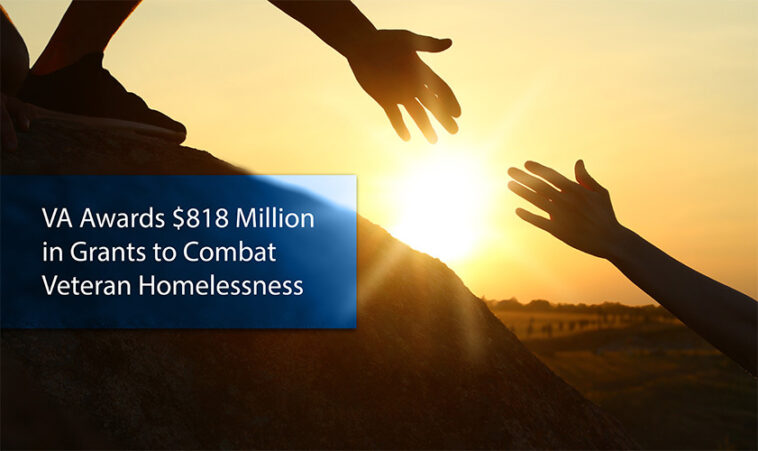

Veterans Affairs’ $40 Million Grant Initiative: A New Chapter for Arizona’s Homeless Veterans
The decision by the U.S. Department of Veterans Affairs to grant $40 million to several Arizona organizations represents a turning point in how our society supports Veterans facing homelessness or at risk of becoming homeless. In an era when legal, social, and economic challenges present tricky parts and complicated pieces to the effective delivery of services, this initiative is both timely and critical. In this op-ed, I will take a closer look at the measures behind this initiative, discuss its broader legal and practical implications, and reflect on how the public and policymakers should view this sweeping change within the broader landscape of Veterans’ welfare.
At its core, the allocation aims to provide effective and comprehensive support, from housing and affordable counseling to health care, financial planning, legal advice, and transportation. These efforts are designed to not only address a significant social issue but also to mitigate underlying legal challenges that have hindered progress in tackling Veteran homelessness for years.
Examining the Legal and Social Landscape of Veteran Homelessness
The legal system often finds itself entangled in a maze of tricky regulatory twists and turns when it comes to ensuring that public funds are effectively utilized to assist vulnerable populations. In the case of Veterans, the legal framework governing their benefits can be particularly intimidating due to decades of complex policies and bureaucratic practices. Yet, looking at the VA’s massive infusion of grants, it is clear that policymakers are now willing to work through the tangled issues and fine points of public administration to ensure more Veterans receive the help they desperately need.
With this grant initiative, the Veterans Affairs department has emphasized areas such as:
- Housing and housing counseling
- Health care services
- Financial planning and budgeting assistance
- Childcare and legal aid
- Transportation services
These areas, though they may seem like straightforward bullet points, are loaded with legal twists and complicated pieces that require careful attention. Each category demands not only immediate action but also a strategic, long-term plan driven by sound legal standards and professional oversight. The grant initiative strives to address these issues head-on, ensuring that every service is both legally compliant and practically effective.
Tracking the Allocation: A Deep Dive into Grant Distribution
An essential element of this initiative is its transparency in how funds are allocated among participating organizations. In Arizona, awarded organizations include Catholic Charities Community Services, Primavera Foundation, Community Bridges, Unites States Veterans Initiative, National Community Health Partners, and Nation’s Finest. The distribution of funds is designed to reflect the unique challenges endemic to each program’s service area.
For instance, Nation’s Finest received the largest share, amounting to $22,942,240, demonstrating both the organization’s capacity and the urgency of addressing homeless Veteran issues in its region. Below is a summary table that lays out the distribution:
| Organization | Grant Amount (USD) |
|---|---|
| Catholic Charities Community Services, Inc | $2,089,976 |
| Primavera Foundation | $3,087,557 |
| Community Bridges, Inc | $4,469,130 |
| Unites States Veterans Initiative | $5,732,636 |
| National Community Health Partners | $2,397,645 |
| Nation’s Finest | $22,942,240 |
This detailed breakdown not only underscores the magnitude of the funding but also reflects on the strategic decisions made by the VA. Evaluating these numbers, legal experts should note that the selection criteria incorporate both past performance in delivering supportive services and the demonstrated need within local communities. In a system riddled with tension between logistical execution and policy making, such transparency is a breath of fresh air.
Bridging Legal Gaps: How the Grants Enhance Access to Essential Services
When dealing with the allocation and use of public funds, many factors come into play that are both legal and operational in nature. The VA’s strategy in distributing these funds focuses on ensuring that Veterans can access a broad range of supportive services that are critical in mediating between legal entitlements and day-to-day accessibility. Awarding these grants is meant to help affected Veterans rediscover stability, beyond just securing temporary housing.
It’s imperative to understand that this initiative is not simply about handing out money. Instead, it is about providing a legal and operational framework that supports the following:
- Housing Stability: Ensuring that Veterans have access to permanent housing solutions, while legal teams work on mitigating housing disputes and foreclosure issues.
- Health Care Access: Expanding the availability of health care services to cater to physical and mental well-being, both of which are often jeopardized when Veteran homelessness is not addressed.
- Financial Counseling: Guiding Veterans through financial planning services that help them achieve both short-term relief and long-term fiscal stability.
- Legal Assistance: Facilitating access to legal experts who can help Veterans navigate the bureaucratic twists and turns in the legal system, ensuring they receive all the benefits to which they are entitled.
- Transportation Services: Addressing the logistical challenges of getting Veterans to health care facilities, court appointments, and job opportunities.
This multi-pronged approach is designed to work through the nerve-racking challenges and hidden issues that have long plagued the support system for Veterans.
Assessing the Policy Improvements Amidst Administrative Challenges
Beyond the funds for local organizations, the VA has also embarked on a series of internal reforms aimed at reforming service delivery to Veterans nationwide. Since January 20, 2025, strides have been made to reduce the backlog of Veterans awaiting benefits, expand the network of health care clinics, and modernize digital record systems. Such measures are designed to make it easier for Veterans to find the support they need in what is often a complex and overwhelming system.
Some noteworthy improvements include:
- Reduced Benefit Backlogs: With a reduction in the backlog of benefits by more than 45%, many Veterans are seeing a faster resolution of their cases. This improvement is key to ensuring that the service delivery system does not remain loaded with issues that deter prompt care.
- Expansion of Health Care Clinics: The addition of 17 new clinics increases the reach of health care services, ensuring that Veterans from rural and urban areas alike can access essential services without undue delay.
- Extended Appointment Hours: The availability of early-morning, evening, and weekend appointments addresses the tricky parts of scheduling and timing, allowing Veterans to find their way through the crowded bureaucratic processes more smoothly.
- Record Disability Claims Processing: Processing 2.52 million ratings claims for FY25 as of August 8 marks a significant milestone in dealing with the off-putting backlog and serves as evidence of the system’s commitment to efficiency.
- Streamlined Provider Access: Simplifying enrollment procedures so that Veterans can utilize non-VA providers at the department’s expense further demonstrates the system’s willingness to adapt to the evolving needs of our service members.
These reforms underscore more than just administrative efficiency—they represent a legal commitment by the federal government to rectify the long-standing issues that have rendered the system tense and difficult to navigate for many Veterans and their families.
Legal Implications and Accountability in Grant Distribution
Any initiative that involves the allocation of public funds inevitably comes under the scrutiny of legal professionals, watchdog groups, and the public at large. The VA’s awarding of $818 million nationwide through its Supportive Services for Veteran Families program presents several points of legal interest. At the legal level, ensuring strict adherence to awarding criteria and transparent execution is crucial in maintaining public trust and legality.
Some of the central legal implications include:
- Eligibility and Fair Selection: The grant recipients were chosen based on a rigorous evaluation of their past performance and the specific needs of the areas they serve. This method of selection must face a legal review to ensure that it is free of bias and that every eligible organization has an equal chance to prove its worth.
- Compliance with Federal Regulations: As these funds are taxpayer dollars, every single dollar spent must be tracked and accounted for. Ensuring compliance with the Federal Funding Accountability and Transparency Act is a must in avoiding any red flags related to misuse or misallocation of funds.
- Accountability in Service Delivery: Since the funds directly impact the lives of many Veterans, any shortcomings in service delivery might not only undermine the initiative’s goals but could also lead to legal consequences for those responsible for mismanagement.
- Long-Term Legal Reforms: The challenges that Veterans face are not just temporary financial issues; they are embedded in a legal framework that often complicates assistance. This initiative, therefore, might pave the way for more systemic legal reforms designed to simplify benefit claims and disputes concerning housing, health care, and financial support.
It is important to note that while these legal implications may seem overwhelming, the comprehensive nature of the grant initiative indicates that the legal community is beginning to cast aside the off-putting bureaucratic hurdles that have, in the past, hampered meaningful progress.
The Role of Community Organizations in Enhancing Veteran Welfare
The success of any government-funded program depends largely on the effectiveness of the community organizations involved. In this case, the VA has banked on a diverse group of organizations to deliver on the promise of comprehensive care. These groups operate in local communities where they have a nuanced understanding of the specific social and legal challenges that create the nerve-racking environment for homeless Veterans.
Community organizations are uniquely positioned to address several key factors:
- Local Insight: Organizations such as Community Bridges, Inc., and Unites States Veterans Initiative, among others, understand the local legal and societal twists that often complicate service delivery. Their ability to blend professional expertise with grassroots experience is critical for tailoring services to real-world needs.
- Integrated Service Delivery: By coordinating with local governments, legal aid services, and health care providers, these organizations aim to provide a seamless network that addresses legal, social, and economic issues in one go.
- Direct Veteran Engagement: Reach and empathy matter a great deal. Community organizations typically maintain close contact with Veterans and their families, thereby ensuring that their voices are heard—and their needs are met—in the process of service delivery.
- Innovative Legal Strategies: Given the notorious difficulties associated with navigating federal and state benefits systems, local organizations are gradually adopting innovative legal strategies to simplify the path to accessing benefits. These strategies include legal clinics, workshops, and one-on-one counseling sessions aimed at clarifying every little twist in the web of benefits administration.
In practical terms, these organizations are making it easier for Veterans to get around convoluted regulations and tangled bits that have historically impeded swift access to help. The collaboration between federal agencies and local organizations sets a promising example for how legal and administrative challenges can be met head-on with a community-centered approach.
Incorporating Comprehensive Support: Beyond Short-Term Relief
One of the key strengths of the VA’s initiative is its emphasis on providing not merely temporary relief but long-term support for Veterans. While immediate actions such as rapid re-housing and emergency health care services are critical, the initiative also has the inherent goal of establishing lasting stability. This aspect deserves its own discussion, given the multitude of tricky parts that define the struggle against Veteran homelessness.
To ensure sustained success, the following measures are being promoted:
- Holistic Health Care: The expansion of health care services, including mental health counseling and routine medical checkups, is designed to ensure that Veterans do not fall through the cracks after receiving immediate help.
- Long-Term Housing Solutions: Rather than relying solely on temporary shelters, the focus is on securing permanent housing through legal agreements and supportive case management. This is a crucial step in putting the wheels in motion toward long-lasting stability.
- Financial Empowerment: Through comprehensive financial planning services, Veterans can be taught how to manage their finances effectively, thereby reducing the risk of future housing crises caused by unforeseen financial twists and turns.
- Continuous Legal Support: As laws and regulations evolve, continuous legal support is necessary to keep Veterans informed and empowered. Legal clinics and pop-up advisory sessions help Veterans address new challenges as they arise and ensure that they are never left navigating alone.
- Childcare Assistance: Recognizing that financial and logistical challenges can multiply when families are involved, supportive services also include childcare. This measure ensures that Veterans with families can maintain stable housing and employment without being burdened by off-putting logistical nightmares.
By elevating the focus from short-term fixes to long-term development, the VA demonstrates a commitment to comprehensively addressing both the immediate and extended needs of Veterans. These measures help break the cycle of chronic instability—a cycle often perpetuated by legal and social challenges that are as intimidating as they are persistent.
Learning from Previous Government Reforms: A Broad Look at Change in VA Policy
This initiative coincides with a series of significant reforms at the VA, many of which emerged during recent administrative changes. There are numerous compelling lessons to be learned from earlier improvements, particularly those implemented during the second Trump Administration. Highlighted reforms that continue to influence current policies include:
- Backlog Reduction: Slashing the backlog of Veterans’ claims by more than 45% is a testament to the reformative power of targeted administrative adjustments. This breakthrough has allowed Veterans to receive benefits in a more timely fashion, thereby reducing undue legal and bureaucratic delays.
- Infrastructure Investments: The additional $800 million spent on upgrading VA facilities has been essential in addressing many of the nerve-wracking issues associated with outdated infrastructure—from safety hazards to inefficient service delivery. This investment ensures that Veterans receive quality care in an environment that meets modern standards.
- Expanded Clinic Hours: The availability of appointments outside of regular hours has upended traditional healthcare delivery models. These initiatives have proven that flexible scheduling is a practical solution to the frustrating challenges that many Veterans face when trying to access care.
- Increased Digital Integration: By accelerating the deployment of an integrated electronic health record system, the VA has taken critical steps toward reducing the hidden complexities of fragmented records management. This digital push is a proactive measure against the legal mishaps that can arise from misfiled or incomplete patient records.
- Enhanced Provider Access: Steps to simplify access to non-VA providers underline the agency’s commitment to ensuring that Veterans are not left stranded due to limited in-house options. By eliminating unnecessary hurdles, the system is more inclusive and responsive to individual needs.
The legal lesson here is clear: when agencies are willing to figure a path through administrative burdens and modernize outdated practices, the result is a system that’s more resilient, responsive, and respectful of the rights and needs of its users. For Veterans, this means a future where accessing benefits and services is less fraught with intimidating bureaucracy and more focused on personal well-being.
Overcoming Bureaucratic Hurdles: A Personal Reflection on Federal Support for Veterans
For many Veterans and their families, the federal support system has, for too long, been a nerve-racking labyrinth of legal requirements and paperwork. Stories abound of Veterans who, despite having served honorably, find themselves entangled in processes that are as convoluted as they are slow. These scenarios highlight the everyday struggles that legal experts and policymakers alike have aimed to remedy through reforms such as the current grant initiative.
In my observation, there is a deep need for the government to both listen to and learn from those who have navigated the confusing bits of bureaucratic procedures firsthand. By incorporating direct feedback from Veterans who have experienced these challenges, both the legal community and public administrators can better tailor solutions to address the practical issues at play.
The VA’s current efforts—to award targeted grants, improve administrative practices, and expand supportive services—are steps in the right direction. They represent an acknowledgment of past failures and a sincere attempt at making positive, lasting change. When the initiative is evaluated in light of the many legal and operational twists that have historically hindered progress, it becomes evident that the federal government is moving towards a more compassionate and forward-thinking model for addressing Veteran homelessness.
Enhancing Transparency and Future Accountability in Grant Programs
Transparency is essential in any initiative involving public funds. The broad scope of the VA’s initiative demands rigorous oversight, not only to ensure that funds are spent effectively but also to build public trust in a system that has often been criticized for its lack of clarity. Enhanced transparency in this initiative can serve as a foundation for future reforms and accountability.
Key steps in enhancing transparency include:
- Regular Reporting: Mandating periodic and detailed public reports on how funds are being used, which organizations are meeting benchmarks, and where improvements can be made.
- Independent Audits: Regular audits conducted by independent bodies can help pinpoint areas where funds may be underutilized or misappropriated, offering legal remedies where necessary.
- Open Forums: Encouraging dialogue between Veterans, community organizations, and policymakers ensures that those most affected by the initiative have a say in its future course.
- Clear Performance Metrics: Establishing precise, measurable outcomes for each category of support—be it housing stability, healthcare improvement, or legal support—allows for more effective evaluation of the program over time.
From a legal standpoint, implementing these measures will help ensure that funds remain dedicated to their intended purposes and that any missteps are promptly addressed. This level of accountability is essential to protecting not only taxpayer money but also the interests of the Veterans who rely on these services.
Looking Forward: Policy Recommendations for a More Robust Veteran Support System
Given the considerable progress represented by the current initiative, there are still several areas that could benefit from further intervention. Policy recommendations moving forward might include:
- Continued Funding Increases: While $40 million is a significant investment, further increases in funding should be considered to keep pace with growing demands and emerging challenges.
- Enhanced Collaboration Between Agencies: Fostering stronger partnerships between the VA, local governments, legal aid organizations, and community groups will streamline service delivery and help resolve tangled issues more effectively.
- Legislative Reforms: An examination of existing federal and state laws that affect Veterans’ eligibility for benefits could reveal areas where changes could reduce overwhelming bureaucracy and improve access to services.
- Improved Data Systems: Continued investment in digital infrastructure, such as integrated electronic health records, will help minimize the little twists and hidden complexities that have historically bogged down the administration of services.
- Robust Legal Support Networks: Establishing dedicated legal clinics within community organizations can provide Veterans with on-the-spot advice related to housing, employment, and benefit claims, thus bridging the gap between legal entitlements and practical access.
These recommendations are designed not only to solidify the gains made by the current initiative but also to build a foundation for lasting improvements in the way our society supports those who have served our country. They underscore the critical need for a system that is both legally sound and operationally effective in managing the complex challenges of Veteran homelessness.
Community Impact and Broader Implications for Social Justice
Beyond the immediate legal and administrative benefits, the wider social implications of this initiative are profound. Veterans have long been seen as pillars of strength and sacrifice in our communities, yet many have found themselves marginalized by a system that struggles to adequately address their needs. The infusion of targeted grants not only provides immediate relief but also signals a broader commitment to social justice and equity.
This program is a step toward remedying decades of neglect and ensuring that all Veterans receive the quality of life they deserve. In doing so, it speaks to the broader ideals of fairness and accountability that underpin our legal system. It is a reminder that support for Veterans is not merely an administrative challenge but a fundamental issue of social justice.
The policy’s successful implementation could have a ripple effect, inspiring similar grant initiatives in other states and encouraging further investment in comprehensive support models for vulnerable populations across the country.
Veterans’ Stories: A Human Perspective Behind the Statistics
Statistics and administrative data provide a necessary framework for understanding this initiative, but behind every figure is a human story—a Veteran whose life has been transformed by access to stable housing, timely health care, and attentive legal and financial advice. These personal narratives are a testament to the success of an approach that prioritizes dignity, respect, and practical support over bureaucratic indifference.
Consider the example of a Veteran who has struggled with both physical and mental health issues as a result of prolonged homelessness. Through targeted interventions such as improved health care access and legal support for housing disputes, the individual can begin to reclaim a sense of stability and purpose. These stories illustrate far more than just numbers on a spreadsheet—they represent real lives being rebuilt with the help of thoughtful policy reforms and dedicated community organizations.
The legal and ethical imperative here is clear: every Veteran deserves the opportunity to rebuild their life free from the overwhelming challenges of homelessness and bureaucratic red tape. Such an outcome not only advances the cause of social justice but also reinforces the foundational legal principles of fairness and equal opportunity.
Conclusion: A Step Toward a Fairer, More Responsive System for Veterans
In conclusion, the VA’s $40 million grant initiative is an important milestone in the ongoing effort to support Veterans who are facing homelessness or destabilizing life crises. By distributing funds to well-established community organizations in Arizona, the program takes a balanced approach to address both the immediate and long-term needs of Veterans. It tackles the logistical, financial, and legal challenges through a multi-faceted support network; one that is designed to offer immediate relief and foster sustainable change.
This initiative, along with the broader reforms observed across the VA, reflects a significant shift toward transparency, accountability, and community engagement. As legal professionals, policy makers, and concerned citizens observe these developments, it is imperative to recognize that the fight against Veteran homelessness is far from over. Rather, it is a work in progress—one that requires continued innovation, collaboration, and a willingness to figure a path through both the obvious challenges and the hidden complexities of our current system.
By embracing the lessons learned from previous reforms and by continually pushing for legal and administrative improvements, we can hope to create a future where every Veteran not only receives the support they need but also feels valued by a system built on fairness and accountability.
Ultimately, as we examine this landmark initiative, the underlying message is clear: supporting our Veterans is not simply a policy choice—it is a moral and legal obligation. The transformation of the Veterans Affairs system, marked by reduced backlogs, enhanced service delivery, and targeted grant programs, is a promising sign that our approach is becoming more humane, practical, and just.
Let us move forward with the understanding that these efforts represent more than just financial transactions or bureaucratic maneuvers. They embody a commitment to restoring hope, stability, and dignity to those who have sacrificed so much for our nation. In our collective effort to support Veterans, every dollar invested, every policy refined, and every legal hurdle overcome is a step toward a fairer, more responsive system—one that truly honors the service and sacrifices of our Veterans.
As legal experts, community leaders, and policymakers continue to work through the tangled issues and nerve-racking challenges of reform, it is essential to keep the conversation alive. By maintaining vigilant oversight, promoting accountability, and advocating for further improvements, we can ensure that this initiative is not just a temporary fix but a lasting change in the way our society supports its most vulnerable heroes.
The journey ahead will undoubtedly involve more twists and turns, but it is a journey worth taking. Every measure that brings us closer to a system that is equitable, accessible, and just is a victory—not just for our Veterans, but for society as a whole.
In this spirit, let us celebrate the progress made while remaining mindful of the work still to be done. By continuously engaging with the legal, administrative, and human elements of such initiatives, we pave the way for a future where every Veteran can access the essential support they need to lead a stable, dignified life.
Ultimately, the fight against Veteran homelessness is a collective responsibility—one that must be approached with compassion, clarity, and a commitment to justice. The current initiative is a commendable step forward in that direction, setting a benchmark for how public policies can successfully merge legal expertise with community-centered service delivery to create substantial, positive change.
Originally Post From https://www.signalsaz.com/articles/40m-in-va-grants-to-support-homeless-veterans-in-arizona/
Read more about this topic at
VA Homeless Programs
Support for homeless veterans | Joining civvy street