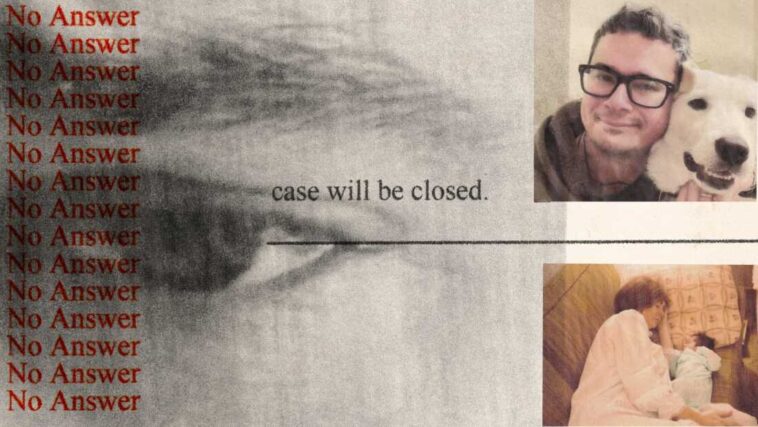

Ghost Networks and the Struggle for Behavioral Health Care in Arizona
In recent years, Arizona families seeking behavioral health care have faced a perplexing challenge: ghost networks. These lists of mental health providers are often riddled with issues, leaving many patients and their families frustrated when they try to find timely support. This opinion piece examines the tangled issues behind these ghost networks, the process of switching insurance plans, and the overwhelming consequences for those in need of care.
Shifting Insurance Plans and the Hidden Pitfalls
For many Arizona families, the change from TRICARE—a robust health plan known for its extensive provider network—to Mercy Care, a nonprofit insurer that contracts with AHCCCS, marked the beginning of a nerve-racking journey. Under TRICARE, numerous patients had little trouble finding mental health providers, but the transition into the Medicaid-managed system introduced a host of confusing bits.
Understanding the Insurance Switch
When families, such as that of Joseph DeMarco, moved from a military-based health plan to Medicaid managed care, they encountered directories that were often off-putting to use. The comprehensive lists once offered under TRICARE transformed into long, unwieldy rosters hosted on websites. These lists, however, contained many inactive or unreachable providers, leaving families to wonder how to figure a path through the complicated pieces of the system.
What Are Ghost Networks?
A ghost network is essentially a directory of providers that appear available on paper but are in reality unreachable, out-of-network, or do not accept new patients. This phenomenon has been identified by federal investigators who have pointed out that many private Medicare Advantage and Medicaid managed care plans feature inflated and inaccurate lists of mental health professionals such as psychologists, psychiatrists, and social workers.
Examining the Process: The Fine Points of Provider Directories
The current process of searching for mental health providers through online directories is filled with tiny details and hidden complexities. Each time a parent or patient contacts Mercy Care for assistance, they are directed to a website that offers a lengthy list of providers. This list is supposed to showcase active, enrolled mental health professionals, yet checking the status of every provider can take days.
Key Problems in the Provider Listings
The Office of Inspector General (OIG) at the U.S. Department of Health and Human Services has found that a large percentage of these directories include providers who have not rendered any services in an entire year. In some cases, studies have shown that nearly three-quarters of the providers listed in these networks should never have appeared in the directories. This oversight is not just a minor, irritating glitch—it is a serious stumbling block that leaves many patients struggling to get the help they need.
Critical Issues in Provider Directories
- Inactive Listings: Providers who have not rendered services for long periods yet remain on the list.
- Inaccurate Information: Listings that show outdated contact details or incorrect enrollment status.
- Overly Lengthy Searches: Websites that create an intimidating search process, requiring families to comb through extensive lists.
- Delayed Updates: Federal mandates require quarterly updates, yet many directories are not refreshed within the required 30-day window after a provider’s status changes.
The Overwhelming Impact on Mental Health Patients and Their Families
The delays in accessing behavioral health care are not just inconvenient—they have direct, negative consequences for patients. For someone like Joseph DeMarco, who began showing the signs of a severe mental health condition as a teenager, timely care could mean the difference between stability and a recurring cycle of crises. Without prompt intervention, many individuals experience worsening symptoms and instability, making the search for care not just a bureaucratic hassle but a true human crisis.
Emotional and Psychological Toll
Families torn between the urgency of mental health care and the intimidating process of finding a suitable provider face a dual burden. The emotional strain involved in constantly having to call, check, and verify provider details can be overwhelming. Parents, who are already managing the additional pressures of caring for loved ones with intense mental health issues, find themselves battling both the state of the healthcare system and the immediate needs of their children.
Economic and Social Consequences
The impact of ghost networks also extends beyond the emotional toll. When care is delayed or inaccessible, the extended economic and social costs can be staggering. Families may face mounting healthcare expenses, lost work opportunities, and other financial and social hardships. This creates a cycle where, despite having well-intentioned laws in place, the practical implementation leaves many individuals without the necessary support system.
Federal Oversight and the Call for Better Transparency
Federal regulators have taken note of the problematic trends seen in these provider directories. The OIG report highlighted that many providers listed under both Medicare Advantage and Medicaid managed care plans were inactive. With metrics indicating that 55% of behavioral health providers in Medicare Advantage were inactive and 28% in Medicaid managed care, policymakers and healthcare professionals are increasingly concerned by the scale of the issue.
The Role of the Office of Inspector General
The federal Office of Inspector General’s study aimed to dig into these tangled issues by surveying provider networks across different regions including urban and rural counties in Arizona. Their findings have significant implications—not only do they reveal a serious administrative oversight, but they also stress the necessity for a more streamlined, centralized directory that is easier for families to use.
What Federal Regulations Require
The Centers for Medicare and Medicaid Services (CMS) requires health plans to update their provider directories quarterly or within 30 days following a provider’s status change. However, these requirements have not been met consistently, creating a scenario where families must navigate a network full of outdated information. This regulatory lapse undermines the very purpose of these directories, casting doubt on the reliability of the lists provided.
Challenges in the Administrative Process: The Tangled Bureaucracy
The administrative workload involved in maintaining accurate provider directories often becomes a deterrent for many healthcare professionals. Many mental health providers describe these administrative requirements as overwhelming, with the extra burden interfering with their ability to focus on patient care. This administrative drag leads to a situation where providers feel like mere cogs in a wheel, stifling their enthusiasm to continue serving within these networks.
Administrative Overload and Provider Participation
In addition to cumbersome administrative processes, many providers cite reimbursement rates as another critical factor pushing them out of these networks. When financial returns do not align with the cost of providing care, the business model of managed care can become unsustainable, resulting in fewer providers willing to engage actively. This creates a vicious cycle: fewer providers lead to extended wait times and decreased access, further impacting the overall quality of care.
Suggested Paths for Improvement
To address these challenges, the OIG has offered several recommendations aimed at reducing the administrative burden on providers. A key proposal is the creation of a centralized, nationwide directory of healthcare providers. This single-point repository could simplify the process for both patients and providers, ensuring that the information is current and accurate.
Recommendations and Proposed Solutions
| Proposed Initiative | Description | Expected Benefit |
|---|---|---|
| Centralized Provider Directory | A streamlined, nationwide database for mental health providers with real-time updates. | Simplifies the process of verifying provider status and eases the patient search. |
| Reduced Administrative Requirements | Implementing policy changes to lessen the bureaucratic overhead on providers. | Encourages more mental health professionals to participate actively in these networks. |
| Improved Reimbursement Rates | Adjusting payments to better reflect the actual costs of care delivered. | Helps maintain a robust network of active providers, benefiting patient care. |
| Stricter Regulatory Oversight | Enhancing monitoring systems to ensure timely updates of provider directories. | Ensures that the directories remain reliable and current, reducing ghost network issues. |
Community Response and the Human Element
Arizona families, community advocates, and mental health professionals are increasingly calling for meaningful change. They argue that policy announcements alone will not solve these issues—the practical implementation of these policies must be prioritized. For those struggling with mental illness or caring for someone who does, the failure of the system is not just a bureaucratic error, but a personal crisis.
Voices from the Community
Individuals like Seetha DeMarco, a mother of three and a dedicated behavioral health professional, have publicly expressed their dismay at the state of the network directories. She recalls how easily she could obtain services under TRICARE, compared to the nerve-racking, time-consuming search for a compatible provider under Mercy Care. These personal stories highlight the stark contrast between policy intent and actual practice.
Personal Stories and Broader Impacts
The human side of this issue cannot be overstated. For patients, every day without proper mental health care can lead to escalating challenges. Families are forced to cope with the wide-ranging impacts, including financial strain, emotional distress, and public health risks. The ghost networks, in this sense, represent more than a bureaucratic shortcoming—they symbolize a failure to care for some of the state’s most vulnerable residents.
Long-Term Implications for Arizona’s Behavioral Health Care
The ghost network dilemma in Arizona has broader implications that extend past immediate patient struggles. The current state of the provider directories may signal deeper, systematic issues within the managed care framework. As behavioral health care continues to evolve, addressing these hidden issues becomes essential to ensure that the system truly meets the needs of its patients.
The Ripple Effect on Healthcare Outcomes
When patients are unable to find consistent, reliable care, the long-term outcomes can be dire. For those with chronic mental health conditions, delays and gaps in treatment lead to increased hospitalizations, lost productivity, and greater overall healthcare expenses. The current challenges in provider networks can thus have a ripple effect, stressing not only the families involved but the broader healthcare system as well.
The Need for Sustainable Reforms
It is clear that sustainable reform is required—one that tames the confusing bits and tangled issues of administrative overload while simultaneously addressing the economic realities faced by providers. Key components of such reform should include:
- Simplified Administrative Structures: Reducing the paperwork and compliance demands that burden mental health professionals.
- Enhanced Regulatory Systems: Enforcing stricter and timelier updates to provider directories with regular audits.
- Better Financial Incentives: Revising reimbursement rates so that participating in provider networks is sustainably attractive.
- Centralized Data Management: Creating a unified national database to offer accurate, user-friendly provider listings.
Finding a Path Forward: Policy and Practice Changes
Looking ahead, policymakers and healthcare administrators have a unique opportunity to address these hidden but significant problems. Improvements in regulatory oversight, combined with real changes at the administrative level, are essential in steering through the maze of current difficulties. As Arizona continues to lead in Medicaid managed care, it is critical to ensure that these systems work for the people, rather than against them.
Initiatives That Could Transform the System
A more responsive and adaptive health care system calls for initiatives that lower the administrative load while increasing transparency and reliability. Some promising strategies include:
- Centralized Directory Implementation: Establishing a nationwide, easily searchable online directory that offers up-to-date provider information.
- Real-Time Updates and Audits: Instituting regular audits and mandatory updates to ensure that provider data is current and accurate.
- Provider Incentive Programs: Offering financial and operational incentives for providers to remain active in Medicaid managed care networks.
- Streamlined Administrative Protocols: Reducing the complicated pieces of administrative paperwork so that health professionals can focus more on patient care.
Collaboration Across Sectors
Addressing the ghost network issue requires an all-hands-on-deck approach. State agencies, federal regulators, non-profit groups, and private insurers must collaborate closely. Open communication among these players can ensure that every twist and turn in the process is carefully smoothed out, ultimately fostering a more stable, supportive environment for those in need.
Broader Reflections on Managed Care in Arizona
Arizona’s managed care model has long been seen as a pioneering effort to deliver health care services on a massive scale. Yet the ghost network phenomenon reveals that even innovative systems can be bogged down by the confusing bits of bureaucracy and administrative overload. The challenges at hand are not unique to Arizona, but the lessons learned here can serve as a guide for other states facing similar tangled issues.
The Promise and Perils of Managed Care
Managed care was introduced to simplify the insurance process and to contain costs. On paper, the model is designed to deliver efficient, coordinated care. In practice, however, the system faces substantial hurdles. For instance:
- Network Adequacy: Even when directories exist, they often fail to reflect real-time capacity, leading to gaps in patient access.
- Provider Engagement: Overwhelming administrative demands discourage many high-quality providers from participating in managed care networks.
- Patient Frustration: Families and patients experience extended wait times and increased anxiety due to the inefficient process of finding care.
Looking Beyond Arizona’s Borders
While ghost networks are a pressing issue in Arizona, they are not an isolated problem. Many states across the nation using similar managed care models report comparable difficulties. A robust, centralized solution that benefits both providers and patients across the country could be the key to resolving these issues and setting a new standard for behavioral health care delivery.
Innovative Ideas to Reform the Current System
To truly overhaul the flawed provider directory system, it is crucial to implement solutions that tackle both the technological and procedural issues head on. Some innovative ideas include:
Technology-Driven Directories
Leveraging modern technology to develop real-time, user-friendly directories can significantly simplify the process of connecting patients with care providers. By integrating an automated system that pulls data from multiple sources, the following benefits can be realized:
- Increased Accuracy: Automated updates can ensure that only active, accepting providers remain visible to patients.
- Enhanced User Experience: A streamlined interface helps patients quickly find the information they need, reducing the nerve-racking wait times caused by sifting through endless lists.
- Uniform Data Standards: Standardization across providers and insurers can reduce the number of subtle differences and small distinctions that complicate the search process.
Collaborative Efforts in System Design
A successful overhaul depends on close collaboration between multiple stakeholders. Insurers, healthcare providers, and government regulators need to work together to design a system that is both comprehensive and easy to use. Some steps to consider are:
- Joint Advisory Committees: Form committees that include representatives from all key sectors to guide the development and continual improvement of the system.
- Regular Stakeholder Feedback: Implement processes that allow for constant feedback and adjustments, ensuring that any new issues are quickly addressed.
- Pilot Programs: Test new initiatives on a small scale before rolling them out statewide, reducing the risk of unintended complications.
Conclusion: A Call for Action and Compassion
The story of ghost networks in Arizona is not merely a tale of administrative oversights—it is a call for a more responsive, compassionate, and efficient system of care. Families, patients, and providers are stuck in a loop of bureaucratic delays and frustrating dead ends, where every day spent searching for the right behavioral health care may tip the balance between stability and crisis.
It is essential for government bodies, insurers, and community advocates to work together to untangle these issues and create a system that truly serves its purpose. This is not just about fixing confusing bits in a directory; it’s about restructuring the very framework that governs how care is delivered. The proposed reforms, ranging from centralized provider directories to dramatically streamlined administrative processes, are key steps toward making mental health care accessible, reliable, and compassionate.
As we take a closer look at this issue, we must remember that every administrative twist and turn affects real lives. Addressing ghost networks isn’t simply a regulatory fix—it is a moral imperative to ensure that every individual in need of mental health care can readily find assistance without wading through a maze of outdated, intimidating information. It is high time that we clear the fog over these ghost networks and build a system that is as compassionate and accommodating as the communities it serves.
Only by working hand-in-hand, with transparent and forward-thinking policies, can we finally ensure that behavioral health care in Arizona and beyond meets the needs of every citizen. The time has come to make these critical changes—not just in policy announcements, but in the tangible, everyday access to care. For in solving the puzzle of ghost networks, we forge a healthier, more resilient future for us all.
Originally Post From https://www.tucsonsentinel.com/local/report/112025_ghost_health_networks/ghost-networks-leave-arizona-families-searching-behavioral-health-care/
Read more about this topic at
‘I Don’t Want to Die.’ He needed mental health care. …
‘Ghost Networks’ Put Patients at Risk of Becoming More Ill