
Art, Empathy, and the Law in the Healthcare Environment
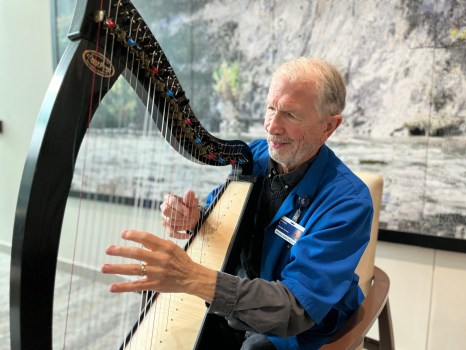
The calming notes of a harp playing in a bustling hospital setting might seem like a purely artistic or therapeutic intervention at first glance. However, when we step back and consider the legal landscape around volunteer programs in healthcare facilities, we are faced with a range of tricky parts and tangled issues that deserve our attention. In this opinion editorial, we take a closer look at how volunteer music therapy, including the case of a dedicated harpist at McLeod Seacoast Hospital in Myrtle Beach, intersects with legal considerations, patient rights, and the responsibilities of medical institutions.
Volunteers often play a critical role in easing the tension of hectic hospital environments. Yet, the integration of volunteer programs into the legal and operational frameworks of hospitals brings to light several confusing bits and complicated pieces of regulation – from liability protections to privacy laws. In a system already filled with legal twists and turns, it is important to find your way through these various requirements, ensuring that both the patients and volunteer workers are fully protected.
Understanding the Legal Framework for Hospital Volunteer Programs
Hospital volunteer programs are not merely a means to offer comfort or a pleasant distraction during stressful moments; they are also governed by a network of legal guidelines designed to safeguard patient welfare and ensure proper treatment of volunteers. When discussing matters such as the weekly harp performance at McLeod Seacoast Hospital, we must consider how these legal measures shape operational protocols in medical settings.
Legal Definitions and Volunteer Status
One of the first legal issues to analyze is the definition of “volunteer” within healthcare institutions. Unlike paid staff, volunteers are often not covered by the same labor laws and employee benefits, posing a number of challenging regulatory considerations. For example, questions about liability in case of an accident or an emotional incident triggered by an unexpected performance are common among hospital administrators. Here are some key points to consider:
- Volunteer Status: Defining whether an individual is considered a volunteer or an employee.
- Liability Protections: Clarifying the scope of legal responsibility in cases of injury or emotional distress.
- Insurance Coverage: Arrangements needed to cover the volunteer in the event of an unexpected incident.
- Training and Supervision: Ensuring that all volunteers adhere to hospital policies to mitigate risks.
These points are central to managing your way through the implementation of creative arts in healthcare – protecting both the volunteers and the hospital from potential legal disputes. It is a fine balance to strike between encouraging creative, healing practices on the one hand and managing the legal risks on the other.
Insurance and Liability for Volunteer Participation
Given the nerve-racking nature of potential accidents in a hospital setting, it is super important to have proper liability coverage in place for volunteer activities. Volunteer programs have grown in scope, and so has the need to resolve confusing bits of legal responsibility. When a volunteer is invited into a high-stress area – such as during the busiest day for same-day surgeries – understanding the legal limits of their engagement is key.
A detailed table summarizing typical insurance and liability considerations might look like this:
| Aspect | Description | Key Considerations |
|---|---|---|
| Volunteer Status | Non-paid individuals volunteering in hospital activities | Distinguishing between employee and volunteer rights |
| Insurance Coverage | Policies that cover potential mishaps during volunteer activities | Ensuring comprehensive protection that includes both general liability and specific volunteer acts |
| Legal Liability | Determining fault in case of an incident | Clarifying roles and responsibilities to avoid legal disputes |
| Risk Management | Developing protocols for challenging scenarios | Implementing training measures for proper handling of unforeseen issues |
By making your way through these requirements, hospitals can create volunteer programs that are both artistically enriching and legally secure. Institutions like McLeod Seacoast Hospital, where volunteers such as Peggy Mann integrate their musical talents into the patient care process, serve as examples of how to balance creativity with caution.
Patient Rights and the Legal Considerations of In-Hospital Entertainment
The role of art in healthcare is expanding rapidly with the recognition that creative therapies can have a direct impact on patient well-being. However, this expansion is not without its legal challenges. When hospitals incorporate elements such as live harp performances, they must first establish clear policies that protect patient rights and privacy.
Consent and Privacy in Public Areas
One area of great concern is the issue of consent. As volunteers perform in public or semi-public spaces, hospitals must ensure that patient privacy is respected at all times. This means obtaining clear consent for any performance in areas where sensitive personal information could be inadvertently exposed. In many cases, there are legal implications if a patient’s privacy is compromised, such as when family members are drawn into the background of these uplifting sessions without their knowledge.
Legal experts recommend that hospitals adopt policies similar to the following bullet list for managing in-hospital entertainment:
- Clearly posted notices explaining the volunteer performance and its purpose.
- Obtaining written consent from patients or families if live performances occur in sensitive areas.
- Ensuring volunteer training includes a comprehensive overview of patient privacy laws.
- Implementing guidelines for using multimedia recording in and around performance spaces.
These policies are not only super important from a legal perspective, but they also shape an environment where patients feel safe, respected, and cared for. While the soothing sounds of a harp might provide a welcome distraction, they must also be ethically and legally integrated into comprehensive patient care protocols.
Hospital Accessibility and Disability Law Compliance
Another critical legal angle involves ensuring that volunteer activities comply with accessibility laws and regulations. Hospitals are required to accommodate every patient under various disability laws, and any change in the environment – such as the introduction of live music – must be evaluated under these rules.
For instance, can the performance inadvertently impede access routes for patients in wheelchairs? Are there protocols ensuring that the sensory stimulation does not overwhelm individuals with sensory processing issues? These questions highlight the importance of carefully sorting out the little details within the legal framework. Hospitals must provide training and establish procedures that address these subtle parts of the law, ensuring that volunteer-led initiatives are accessible to all.
Legal and Ethical Responsibilities of Hospital Administration
Hospital administrators are often tasked with balancing innovative patient care methods and the regulatory environment that comes with them. When a volunteer musician like Peggy Mann steps into the spotlight—even if she prefers to remain in the background—the hospital must account for several legal responsibilities. This means managing your way through various risk factors while keeping the focus on patient care.
Human Resources and Volunteer Management
The management of volunteer programs in a healthcare setting touches upon several key legal responsibilities that fall under a hospital’s human resources department. Although volunteers are not paid employees, they still require adequate supervision and support. Some vital HR considerations include:
- Comprehensive background checks to vet volunteers.
- Clear documentation regarding the scope of volunteer activities.
- Ongoing legal and regulatory training sessions tailored for volunteers.
- Establishing a chain of command for addressing any mishaps or disputes.
Hospital administrators must also think about the subtle differences between volunteer engagement and paid employment. For instance, should a volunteer suffer an injury during a performance or while assisting with patient care, the hospital must be ready to address any ensuing legal claims. This legal responsibility calls for explicit guidelines and transparent communication on both sides.
Liability and Risk Management Protocols
One of the most nerve-racking concerns for any institution is the potential for legal liability. When volunteer activities take center stage, risk management becomes a key part of the hospital’s operational strategy. For example, Peggy Mann’s role extends beyond playing soothing music; it involves managing patient interactions and even helping transport patients. These responsibilities are legally loaded and require well-structured liability protocols.
Developing robust risk management systems involves several steps, which may be summarized as follows:
- Identifying potential hazards associated with volunteer activities.
- Implementing safety procedures to mitigate those risks.
- Documenting all volunteer engagements and activities for legal review.
- Ensuring that volunteers carry a clear understanding of their legal obligations and rights.
With these fine points in place, hospital administrators can better figure a path that protects both the organization and the patients. It is a delicate operation that blends creative healing with legal prudence, ensuring that artistic contributions do not inadvertently lead to legal complications.
Integrating Creativity with Legal Compliance: The Role of Music Therapy
Music, as an art form, has long been recognized for its healing potential. Psalms of hope and soulful harmonies can create a comforting atmosphere in places otherwise filled with anxious waiting rooms and stressful procedures. However, the integration of music therapy into healthcare is packed with subtle details and legal twists that require careful handling.
The Impact of Live Performances on Patient Care Standards
Healthcare institutions have an ethically critical responsibility to ensure that any therapeutic intervention, including music, truly benefits the patients. A volunteer musician’s role, though not a replacement for clinical therapy, has a measurable impact on patient morale and emotional stability. Legally, hospitals need to consider how such interventions align with patient care standards and safety protocols.
Key points to consider include:
- Assessing the overall quality of care and how music therapy contributes to it.
- Evaluating whether the performance environment meets health and safety guidelines.
- Determining if the emotional well-being of patients is improved without infringing on other rights.
- Ensuring that emergency procedures are in place if an unforeseen incident occurs during a performance.
These measures ensure that while musicians like Peggy Mann are lighting up the hospital corridors with their talent, there remains a comprehensive structure designed to protect patient welfare. As legal professionals and healthcare administrators work together, the focus remains on delivering a service that is both artistically enriching and legally sound.
Ethical Considerations and Professional Boundaries
One cannot discuss artistic contributions in a healthcare setting without recognizing the potential for ethical dilemmas. For instance, as volunteer musicians become more integrated into patient care, clear professional boundaries become super important. There is an ongoing debate about how much involvement volunteers should have in the treatment process, and where their role starts and ends.
To tackle these concerns, hospitals may adopt ethical guidelines that address:
- The separation between clinical care and supportive artistic activities.
- Professional boundaries to ensure volunteers do not overstep into medical decision-making.
- Protocols for volunteer interactions with patients, family members, and medical staff.
- Confidentiality requirements, ensuring that volunteers do not inadvertently breach patient privacy.
By taking a closer look at these subtle details, hospitals can create an environment that nurtures creativity while keeping legal complications at bay. The presence of a dedicated volunteer musician may seem like a small twist in the overall healthcare landscape, but it encapsulates many of the legal and ethical issues that modern medical facilities must navigate.
Balancing Innovation and Regulation in Healthcare
As hospitals continue to integrate creative therapies such as live music, they must work through a maze of confusing bits and nerve-racking legal issues. Balancing these innovative practices with rigorous regulation is a challenge that requires both flexibility and disciplined oversight. In doing so, medical institutions validate the importance of both human compassion and statutory protection.
Innovation versus Regulation: Striking the Right Chord
Innovation in patient care is often accompanied by the challenge of adhering to strict regulatory standards. The story of the harpist at McLeod Seacoast Hospital is a prime example of how creative approaches to patient well-being need to be managed alongside established legal protocols.
Some of the key challenges include:
- Ensuring that creative expressions do not conflict with patient privacy laws.
- Modifying traditional legal frameworks to account for modern therapeutic practices.
- Providing protective measures that reassure both hospital administrators and volunteer performers.
- Creating adaptable policies that can evolve as new methods of therapy are introduced.
By taking the wheel and managing the integration of these methods, hospitals can guarantee that breakthrough innovations in therapeutic care are supported by a robust legal infrastructure. This helps keep in place the necessary balance between art and law, a harmony that is both medically beneficial and legally compliant.
Training, Oversight, and Continuing Legal Education
To ensure that innovative volunteer programs remain compliant with the law, ongoing legal education and rigorous oversight are essential. Hospital staff and volunteer coordinators can benefit from training sessions that not only focus on clinical care but also dig into the fine points of legal protocols related to volunteer activities.
Areas of focus might include:
- Understanding the legal responsibilities of volunteer supervision.
- Reviewing case studies where hospital volunteer programs encountered legal disputes.
- Continuous updates on changes in healthcare regulations and patient privacy laws.
- Workshops on effective communication between volunteers, patients, and hospital staff.
Such proactive steps help ensure that all parties are on the same page when it comes to tackling the nitty-gritty of legal challenges. The aim is to create an environment where volunteers can contribute their talents with confidence, knowing that both they and the hospital are protected by comprehensive legal safeguards.
Lessons Learned from the Harpist’s Journey
The story of Peggy Mann—a dedicated volunteer who plays the harp, comforts patients, and assists with hospital procedures—illustrates the profound impact that creativity can have in a regulated environment. Her journey offers a window into how artistic expression and legal regulation can coexist, working together to create a healing environment in the midst of clinical care.
For many, the relaxed, soulful tunes of the harp provide a much-needed respite from the nerve-racking environment of a busy hospital. From the perspective of a legal analyst, however, her story serves as a case study for the following lessons:
- Volunteer Empowerment: Empowering volunteers while ensuring strict adherence to legal guidelines can produce a powerful, transformative effect on patient experiences.
- Policy Innovation: Sometimes, traditional hospital policies need to be reexamined and updated to accommodate innovative therapeutic services.
- Ethical Balancing Acts: Ensuring that creative interventions do not breach professional boundaries or patient privacy remains a top priority.
- Legal Preparedness: Hospitals must remain vigilant and proactively manage risk through ongoing legal education and robust protocol reviews.
The nuanced balance achieved by integrating a volunteer musician into a hospital routine is both commendable and instructive. It challenges healthcare administrators and legal experts alike to figure a path that honors both creative expression and the rigid frameworks of law. In Peggy Mann’s case, her dedication and artistry have not only comforted patients but have also shone a light on how legal practices can evolve to support even the most unconventional forms of healing.
Future Directions: Legal Innovations and Creative Therapies in Healthcare
Looking ahead, it is clear that the interplay between the legal system and creative therapies in healthcare will only grow in importance. As hospitals seek to integrate more innovative approaches to patient care, they must remain aware of the potential legal hazards and ensure that robust regulatory frameworks are in place.
Adapting Legal Protocols to Support Creative Initiatives
Future legal developments must acknowledge and incorporate the value of creative interventions. This approach involves revisiting current policies and possibly drafting new legal guidelines that not only accommodate but actively promote volunteer programs that integrate art and music with patient care. Some areas that need fine shades of adjustment include:
- Enhanced Liability Protections: Revamping existing policies to cover a wider range of volunteer activities, ensuring that artistic contributions are fully protected.
- Custom Consent Forms: Developing consent procedures that emphasize both the right to privacy and the benefits of creative therapies.
- Interdisciplinary Training Programs: Initiating training sessions that bring together legal experts, clinical staff, and creative professionals.
- Flexible Risk Management: Implementing adaptive risk management frameworks capable of evolving with new therapeutic methods.
These adjustments, while seemingly subtle, are essential in ironing out some of the complicated pieces of modern healthcare law. As hospitals continue to innovate, the need for legal frameworks that understand and support creative healing practices becomes ever more important.
Creating a Collaborative Environment Between Legal and Healthcare Professionals
The intersection of law and creativity calls for ongoing dialogue and collaboration. Legal experts, healthcare administrators, and creative practitioners must work together to ensure that patient care is enhanced without sacrificing legal integrity. Such collaborative efforts can lead to:
- A richer understanding of the fine points involved in volunteer activities.
- The development of innovative policies that protect both patients and volunteers.
- The creation of interdisciplinary committees tasked with monitoring and updating legal protocols as new forms of therapy emerge.
This cooperative spirit is a key ingredient in achieving a balance between regulation and innovation. By fostering ongoing discussions between the legal community and healthcare providers, it is possible to weave artistic expressions seamlessly into the fabric of patient care while maintaining robust protections against legal pitfalls.
Conclusion: Charting a Balanced Future for Creative Healing and Legal Assurance
The lively interplay between art and law in hospital settings is full of problems and subtle details that require constant attention. The story of Peggy Mann, the dedicated harpist at McLeod Seacoast Hospital, serves as a reminder of how innovative patient care can coexist with a structured legal framework when both sides are willing to work through the tricky parts together.
From rethinking the legal definition of volunteer work to carefully establishing insurance and liability protections, the healthcare industry continues to face a maze of overlapping laws and creative aspirations. Hospitals must continue to figure a path that not only embraces inventive methods like live music therapy but also stays firmly on the safe side of legal responsibilities.
As we take a closer look at the lessons learned from volunteer initiatives, a few super important takeaways emerge:
- Legal guidelines must evolve to accommodate the growing role of creative therapies.
- Risk management protocols are essential in managing the subtle, yet significant, legal twists that accompany volunteer-driven services.
- Ethical considerations and patient privacy remain at the forefront of all initiatives.
- Ongoing cooperation between legal experts, administrators, and volunteers ensures that innovative practices are both enriching and legally compliant.
Ultimately, the delicate balance between fostering a healing environment through creative contributions and adhering to the rigid demands of law is an ongoing process. By staying alert to the hidden complexities and taking proactive steps to update legal frameworks, hospitals can continue to offer therapies that not only soothe the soul but also protect the rights and safety of all involved.
This evolving narrative is a testament to the potential of a legally fortified creative environment. It suggests that by working together, legal professionals and healthcare providers can transform challenging legal puzzles into opportunities for improved patient care and enriched human experiences.
In conclusion, the legal journey to integrate art into healthcare is riddled with small twists and challenging steps. However, as more institutions like McLeod Seacoast Hospital successfully implement innovative strategies, a clear path emerges for future endeavors. This path—marked by thoughtful policy development, robust volunteer training programs, and proactive risk management—ensures that creative healing continues to flourish in a manner that upholds the highest standards of legal and ethical responsibility.
As we look to the future, the dialogue between art and law serves as an example to others in the healthcare industry. With careful planning, sustained oversight, and an unwavering commitment to patient rights, it is entirely possible to create an environment where the gentle strains of a harp, the compassionate spirit of a volunteer, and the firm, protective hand of the law all harmonize to offer comfort, care, and hope.
Moving forward, hospital administrations and legal experts alike must remain vigilant in managing the layered and sometimes intimidating task of balancing innovative patient care methods with necessary legal safeguards. With continuous refinement of the policies and proactive collaboration among all parties involved, the delicate balancing act can be transformed into a lasting legacy of compassionate, legally compliant healthcare.
Ultimately, the legal framework supporting creative endeavors in healthcare will not only protect patients but will also empower volunteers to contribute their talents freely, knowing that their efforts are not only appreciated but also safeguarded against any unforeseen legal issues. In this way, the transformative power of the arts can continue to shine brightly, even in the most demanding environments.
Originally Post From https://www.azfamily.com/2025/11/07/hospital-harpist-eases-wait-patients-visitors/
Read more about this topic at
Home – Harp for Healing, LLC
The Healing Benefits of a Harp | News & Stories