Exploring the Balance Between Scheduled System Maintenance and Community Support
The intersection of scheduled technical maintenance and robust community services presents a fascinating case study in how different systems work in parallel to ensure overall efficiency. In our modern world, just as computers rely on scheduled maintenance windows to iron out the tricky parts and ensure smooth functionality, our communities—especially military communities—rely on events like resource fairs to help them steer through the many twists and turns of life on the move.
In this opinion editorial, we take a closer look at the impact of planned technical downtime on system reliability, while also examining the role of community events such as the annual Back-to-School Resource Fair at Marine Corps Air Station (MCAS) Yuma. Both subjects may seem unrelated at first glance, but they share a common purpose: creating a more efficient, welcoming, and connected system, whether that system is digital or human-centric.
Scheduled Maintenance Windows: Ensuring System Reliability and Efficiency
Scheduled maintenance windows, like the one set to begin at 10:00 PM EST on February 14 until 4:00 AM EST the following day, are essential for keeping our digital infrastructures operating at their best. These planned downtimes allow technicians to fix complicated pieces and attend to hidden complexities without the pressure of live operations. Though such intervals may seem inconvenient or even nerve-racking to users, they are a necessary part of keeping the systems robust and secure.
When we consider a system’s life cycle, the concept of taking time out to perform necessary work is a powerful metaphor for our everyday experiences. Just as our computers need a reboot or a set of updates to address confusing bits and tangled issues, communities too must occasionally pause and reconfigure their operations to ensure that everything runs smoothly. The challenge lies in balancing the temporary inconvenience against the long-term benefits, a balance that is not always immediately obvious to those affected by the downtime.
This careful planning of maintenance windows embodies a sort of hidden order in technology management. It is a process that involves:
- Coordinated Scheduling: Determining the optimal time to perform system updates, such that user disruption is minimized.
- Detailed Planning: Addressing issues that are often loaded with technical problems, from fine points of software compatibility to the slight differences in system functionalities.
- Risk Management: Anticipating and managing the nerve-racking possibility that something might go awry during the maintenance period.
The scheduled maintenance window represents a temporary hiatus—a brief pause where underlying technical adjustments are made to better support the bulk of operations that follow. Even though such interruptions might induce fear or appear overwhelming to some users, they are undeniably a super important part of maintaining long-term system reliability.
How Planned System Downtime Impacts Defense and Cybersecurity
In sectors where cybersecurity and robust communication are of paramount importance, such as in the defense community, the decision to schedule system downtime carries extra weight. Within military organizations, every second of digital uptime impacts critical operations. Therefore, planning downtime demands a delicate act of balancing the need for updates with the imperative of rapid and secure communication.
In this context, the nervous energy that radiates from the prospect of service interruptions is tempered by the knowledge that these updates also patch up potential vulnerabilities. In the realm of defense communication systems, every maintenance window serves as an opportunity to inspect the system’s defenses, reconfigure security protocols, and ensure that no weak links remain in the chain of operations.
For example, when technological teams take a closer look at the system during the scheduled maintenance, they are effectively:
- Identifying Confusing Bits: Looking into subtle details that might have been overlooked during normal operations.
- Optimizing Protocols: Figuring a path through the procedures that at first glance seem on edge but are critical for maintaining a secure environment.
- Ensuring Future Readiness: Preparing the system for upcoming challenges by ironing out the small twists that could later escalate into significant issues.
These efforts underscore the fact that planned downtime—even though it may seem off-putting or intimidating—is deployed with the greater good in mind. The careful orchestration of maintenance ensures that when normal operations resume, they do so on a foundation that is both secure and efficient.
Community Resource Fairs: A Beacon of Support for Military Families
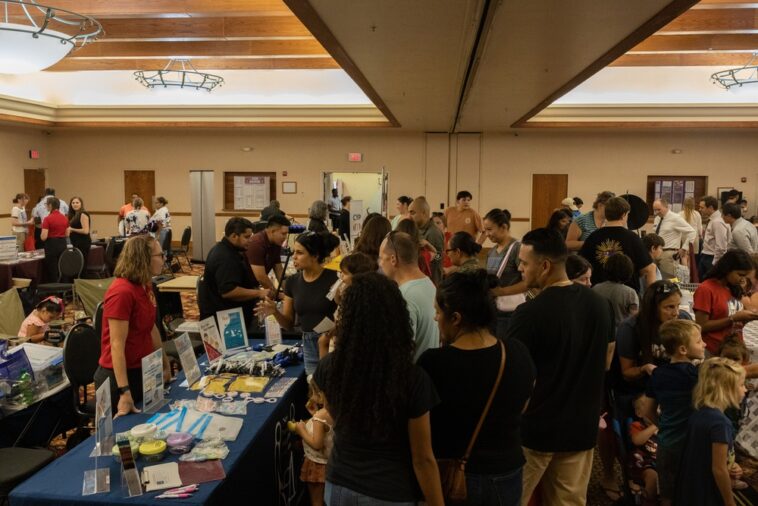
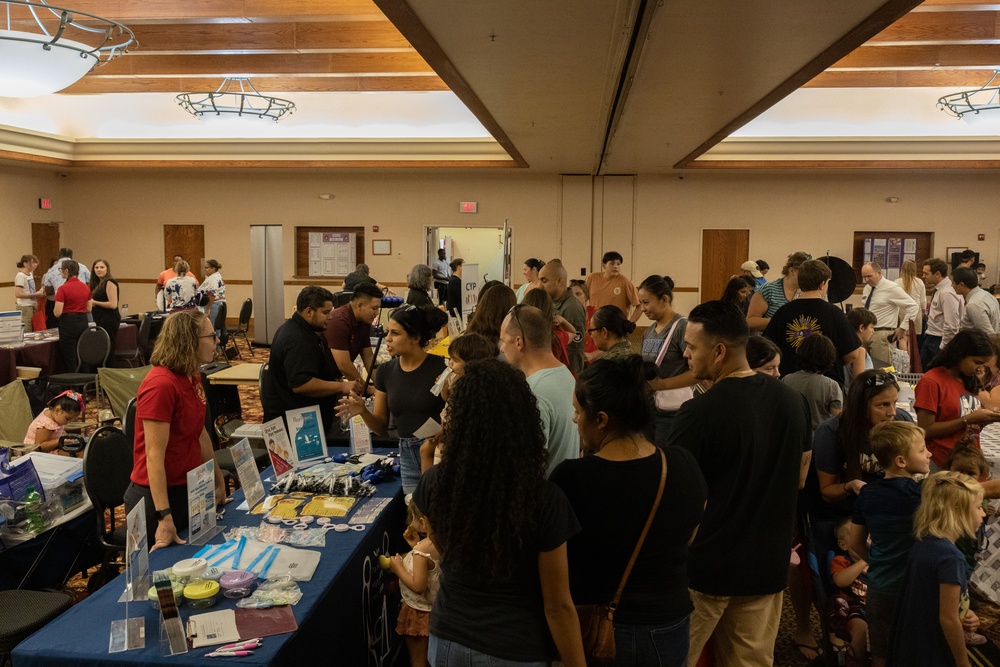
While our technical systems are given time to refresh and reconfigure, community events such as the annual Back-to-School Resource Fair at MCAS Yuma serve a socially analogous purpose, particularly for military families. These resource fairs act as bridges, helping families find their way through the tricky parts of adjusting to new environments and school systems.
The MCAS Yuma event, hosted by Marine Corps Community Services (MCCS), is not just a calendar event—it is a well-established tradition that provides essential support to families as they prepare for the new school year. Often described as a welcome respite for families facing the nerve-racking challenge of a permanent change of station (PCS), the fair is an invaluable resource for addressing many of the small twists that add up to the greater challenge of adaptation.
Military Family Challenges and the Support Ecosystem
Military families are frequently confronted with the overwhelming task of relocating while trying to maintain a semblance of normalcy in their children’s education and daily routines. The limited window between stations represents a period rife with hidden complexities, such as:
- School Transitions: Adjusting to new school curriculums and educational expectations can introduce complicated pieces into an already stressful equation.
- Financial Concerns: With the incoming costs of school supplies and the expenses related to relocation, families often face off-putting financial challenges.
- Social Integration: Establishing a new network of peers, teachers, and local organizations can be a nerve-racking experience, particularly when the community landscape is entirely unfamiliar.
Events like the Back-to-School Resource Fair directly address these issues and offer military families a chance to get around some of the overlapping obstacles. For many families, the fair provides:
- Immediate Resources: Accessible information and supplies that help them start the school year off on the right foot.
- Networking Opportunities: A chance to connect with local organizations and community members, making it easier to find your way through the confusing bits of a new environment.
- Emotional Support: The simple act of being welcomed into a community that understands the challenges posed by frequent moves and state changes.
For instance, Candice Brown, the installation’s School Liaison Officer, has observed that the fair draws hundreds of families, all seeking to manage their way through the many small distinctions and challenges that come with military life. According to Brown, the event does more than offer school supplies—it provides a roadmap for families to steer through the complex social and educational landscapes in Yuma County.
The Importance of Community-Technical Synergy
Observing both the maintenance window for digital systems and the organization of community events reveals a shared underlying principle: the need for planned downtime and structured support to maintain a well-oiled machine. Whether it’s giving a computer system a much-needed upgrade or offering families tangible aid during transitional periods, preparation is key.
There are several lessons we can take home from this community-technical synergy:
- Purposeful Pauses: In both domains, the act of pausing—whether for maintenance or resource fairs—allows for a deep cleaning of messy issues, leaving behind a refined and updated state.
- Overcoming Overwhelming Odds: By addressing the intimidating and sometimes off-putting aspects head-on, both technical teams and community organizers demonstrate resilience and proactive management.
- Importance of Detailed Planning: Both fields require attentive planning and thoughtful execution to ensure that the end result is beneficial for the greater system and the individuals within it.
This dual focus on maintenance and resource support highlights an essential truth about our systems, whether digital or human: regular and well-planned interventions are not just desirable—they are absolutely necessary to keep everything running smoothly.
Impact of Scheduled Downtime on Public Trust and Organizational Efficiency
The act of planning maintenance windows or resource events extends beyond technical and logistical concerns. Both practices play a significant role in maintaining public trust. Many users, be they system operators or community members, understand that these pauses are a sign of responsibility and commitment to long-term functionality.
For instance, when a service announces a maintenance window well in advance, it sends a message of transparency and preparedness. Similarly, when organizations host events like the Back-to-School Fair, they reassure the community that its needs are being met, even amid transitions that could be considered off-putting or nerve-racking. This transparency helps foster a sense of security and belonging in times that might otherwise be characterized by uncertainty.
These practices illustrate that every system, be it technological or community-based, benefits from moments of reorganization and rebuilding. In both cases, the objective is to ensure that when operations resume, they do so in a state that is stable, secure, and ready to face future challenges. In short, whether we are talking about digital systems or community support initiatives, the process of scheduled downtime is an investment in resilience and efficiency.
Pros and Cons of Scheduled Maintenance: A Balanced Perspective
Any discussion about scheduled maintenance—be it for modernized defense systems or community services—must recognize the inherent benefits as well as the short-term downsides. Below are some of the pros and cons that illustrate this dual nature:
Advantages
- Improved Performance: Regular updates ensure that systems and services perform at their peak, reducing the chances of unexpected failures.
- Enhanced Security: Addressing hidden complexities and fine points of system operations proactively helps fend off potential cyber threats and vulnerabilities.
- Increased Reliability: Planned pauses for maintenance create a more reliable environment, which, over time, fosters greater trust among users and beneficiaries.
- Community Bonding: For military families, events like resource fairs help to build essential networks and ease stressful transitions.
Disadvantages
- Temporary Disruptions: Users may face short-term inconvenience while systems or services are temporarily offline, which can be perceived as intimidating or off-putting.
- Adjustment Periods: In community settings, families might initially struggle with the learning curve associated with a new environment or support system.
- Communication Gaps: Without clear communication, both technical downtimes and community transitions may cause confusion, as individuals are left to figure a path around limited resources.
- Financial Strain: The costs associated with upgrading systems or preparing families for school transitions can add an additional layer of pressured decision-making.
While these challenges might seem overwhelming, both realms have learned to manage their way through these issues by implementing clear communication protocols, step-by-step planning, and comprehensive follow-up strategies. This balanced approach is what ultimately sustains both high asset performance and community well-being.
Bridging the Divide: Integrating Technical Updates with Community Services
The juxtaposition of technological maintenance and community resource events brings to light a thought-provoking question: How can we better integrate these seemingly disparate domains to serve society as a whole? At their core, both areas are driven by a common goal—to provide a stable, supportive environment that fosters growth and continuity despite the inevitable interruptions that life brings.
This idea of integration can be illustrated by several key initiatives:
- Coordinated Scheduling: Organizations can plan technical downtimes and community events in tandem, ensuring that the timing of service interruptions minimizes overall disruption.
- User-Centered Communication: By adopting clear and accessible language, technical teams and community organizers can help the public better understand the importance of these pauses, whether they relate to system upgrades or resource fairs.
- Feedback Loops: Regular feedback from users—whether they are system operators or military families—can help refine both technical and community support strategies, ensuring that interventions address the subtle parts that matter most.
These steps represent a proactive way of getting into the nitty-gritty of how best to synchronize different aspects of our operational systems. They also highlight that, although technology and community services may serve different functions, they both benefit profoundly from a thoughtful integration of planning, execution, and continuous improvement.
Lessons Learned from MCAS Yuma’s Annual Back-to-School Resource Fair
MCAS Yuma’s annual Back-to-School Resource Fair offers us an insightful case study in how community events can transform the everyday lives of military families. Since its inception in approximately 2005, the fair has grown into a cornerstone event that supports hundreds of families as they prepare for a new school year. By providing school supplies, essential information, and a welcoming environment, the event confronts many of the small distinctions that can otherwise complicate an already nerve-racking period.
This initiative highlights several lessons that are broadly applicable, both within military circles and in the larger fabric of community support:
- Effective Communication Is Key: As evidenced by Candice Brown’s proactive emails and outreach, clear outreach can ease the overwhelming task of navigating a new educational system.
- Building Trust Through Consistency: The long-standing tradition of the resource fair reinforces the idea that reliability and continuity, much like scheduled technical updates, play a crucial role in fostering trust.
- The Power of Partnerships: Connecting with local schools, organizations, and support groups not only eases the process of adjustment for military families but also strengthens community ties, ensuring that no one is left to figure a path alone during periods of transition.
Take, for instance, the experience of Yadi Nunez, whose family recently relocated to MCAS Yuma. As she navigated the complex task of preparing her children for school in a new environment, the welcome she received at the fair proved to be more than just a logistical aid—it offered emotional support and a clear demonstration of community solidarity. The event was an invaluable reminder that, even in times of change loaded with challenging issues, a strong network can make all the difference.
How Technology Can Enhance Community Engagement Initiatives
Remarkably, the technological strategies used to manage system maintenance can also serve as inspirations for enhancing community engagement efforts. Just as system administrators schedule downtime with precision and transparency, community organizers can benefit from similar planning strategies when setting up events like the Back-to-School Fair.
Consider the following parallels:
- Notification Systems: Advanced communication tools can alert community members ahead of time, much like maintenance announcements do for digital users. Timely emails, texts, or community bulletins provide a clear picture of what to expect.
- Structured Timelines: Just as a maintenance window comes with a clear start and end, community events can follow a well-defined schedule that allows participants to plan their day. This structure minimizes the chances of confusing bits related to travel, wait times, or event overlaps.
- Feedback and Continuous Improvement: Post-event surveys and digital feedback forms help organizers get into the fine shades of what worked and what could be improved. This mirrors the continuous improvement processes that are often found in technical maintenance cycles.
By merging best practices from both the technical and community worlds, organizers can better manage their day-to-day challenges. This cross-disciplinary approach exemplifies how the hybrid application of ideas can yield results that are both efficient and highly beneficial to the community at large.
Integrating Feedback to Improve Future Initiatives
Feedback is the lifeblood of both technology maintenance and community event planning. In the world of scheduled updates, system logs and error reports help technical teams find their way through unexpected issues and identify areas that need improvement. Similarly, community events thrive on constructive criticism, which helps organizers refine their approach and better address the needs of families.
From MCAS Yuma’s resource fair, many valuable lessons have been learned through direct feedback. Regularly gathering input from participants not only demystifies the process but also promotes a sense of shared ownership among the community. This aspect is critical, as it encourages continuous dialogue between organizers and beneficiaries, ensuring that subsequent events are even more tailored to ease the challenging pieces of military family transition.
An effective feedback loop might include the following steps:
- Soliciting Honest Responses: Organizers should create avenues for candid feedback without fear of reprisal. This could be conducted through anonymous digital surveys or follow-up focus group discussions.
- Analyzing Data Carefully: Just as technical data is parsed to address hidden complexities, community feedback should be examined to pinpoint the subtle parts that can be improved upon.
- Implementing Changes: Practical solutions and adjustments should be rolled out based on the insights gained, much like software patches help improve system stability.
This methodical approach ensures that every subsequent community initiative not only offers better support but also fosters an environment of continuous improvement and trust.
Community Resilience Through Proactive Planning and Support
Ultimately, whether we’re discussing technical maintenance windows or community-based resource fairs, the underlying message is the same: proactive planning and support are critical. Both systems—digital or human—benefit when scheduled pauses are used as opportunities to plug in improvements rather than viewing them solely as interruptions.
For military families, the value of such planning cannot be overstated. As they navigate the often overwhelming and intimidating task of relocating, the presence of structured and supportive community events acts as an anchor, making transitions smoother and more manageable. Simultaneously, system administrators who dedicate time to scheduled maintenance ensure that the technological backbone supporting these initiatives remains strong and dependable.
The fusion of methodical technical updates and heartfelt community outreach helps build a sturdy framework that benefits all stakeholders. It is a testament to the fact that, while the challenges faced by both realms may differ, the need for well-organized and carefully executed interventions is universal.
Looking Ahead: The Future of Integrated Support Systems
As we look to the future, the lessons learned from both scheduled system maintenance and community events like the MCAS Yuma Back-to-School Resource Fair can serve as guiding principles for broader applications. The idea of building integrated support systems—where every planned pause is an opportunity to prepare better for the next phase—will only grow in relevance as our world becomes more interconnected.
In government agencies, military organizations, and even private institutions, the adoption of structured downtime and community outreach initiatives may well become the norm. We are likely to see more comprehensive frameworks that marry technical precision with community sensitivity. Such initiatives could include:
- Coordinated Crisis Management: Strategies that integrate technical maintenance schedules with community alert systems could enhance overall emergency preparedness.
- Unified Communication Platforms: Developing robust digital platforms that seamlessly link system updates with live community feedback might bridge any communication gaps and reduce the overwhelming feeling that sometimes accompanies change.
- Sustainable Support Models: By using scheduled upgrades as moments to assess both technological and community needs, organizations can design programs that offer immediate relief as well as long-term resilience.
This future model represents a symbiotic relationship between technical and social infrastructures, one that acknowledges that the smallest details—whether they are hidden complexities in a software update or slight differences in community needs—can have a profound effect on overall outcomes.
Conclusion: Embracing the Necessary Pauses for Long-Term Gains
In conclusion, the dual narratives of scheduled system maintenance and the annual MCAS Yuma Back-to-School Resource Fair exemplify the importance of periodic, well-coordinated pauses in our modern lives. Whether it is a planned window of system downtime aimed at resolving confusing bits or a community event designed to assist military families in managing their way through transitions, both are critical interventions designed to foster stability and long-term success.
By taking a step back to address intricate issues head-on—whether they are technical in nature or part of the ever-changing landscape of military family life—we acknowledge that growth and security often come from these planned, deliberate breaks. Through proactive planning, transparent communication, and a willingness to collect and act on feedback, we ensure that both our technological systems and our communities remain resilient, reliable, and ready to face whatever challenges the future holds.
As we continue to rely on both digital efficiencies and strong community ties, it is essential that we recognize the interconnectedness of these worlds. Every scheduled maintenance session and every resource fair event acts as a building block in a larger framework of support, preparedness, and continuous improvement. In embracing these necessary pauses, we not only smooth out the complications that arise in day-to-day operations but also pave the way for a future where every transition is met with the timely assistance and support that makes all the difference.
The lessons drawn from both the technical arena and community outreach serve as a reminder: sometimes, stepping back—even when it seems off-putting or intimidating—provides the space needed to rebuild, refresh, and ultimately forge ahead with renewed strength and clarity. Whether you are a system operator managing a critical infrastructure update or a military family finding your way in a new community, know that these moments of pause are not setbacks—they are essential milestones on the path to sustained excellence.
Originally Post From https://www.dvidshub.net/news/546198/mcas-yuma-hosts-back-school-resource-fair
Read more about this topic at
Welcome to Blue Star Families
Empowering Military Families: Answering the Call to Support