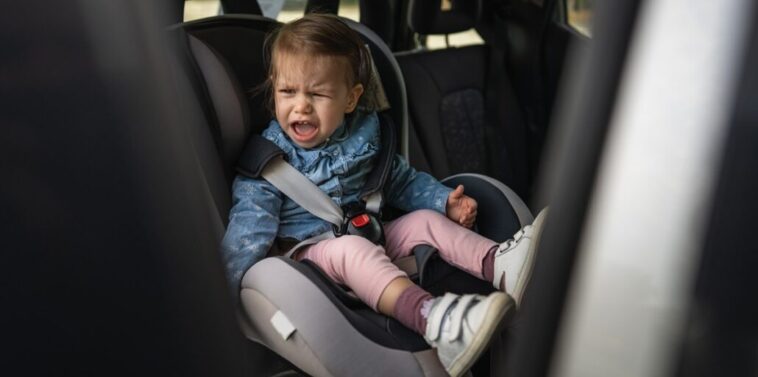
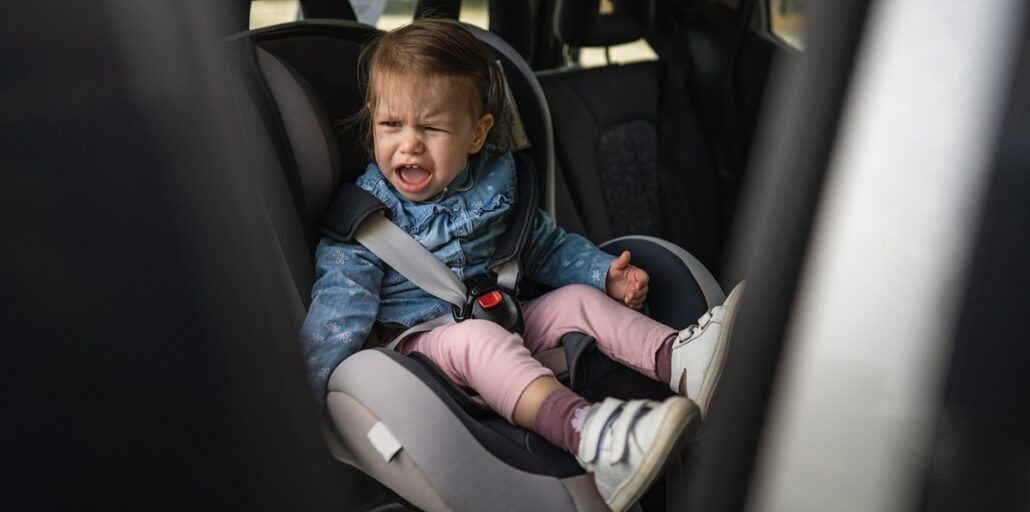
Child Safety in Vehicles in Arizona: A Balancing Act Between Parenting Choices and Legal Ramifications
In the sweltering heat of the Arizona climate, the decision to leave a child unattended in a vehicle can quickly become a nerve-racking issue for parents and guardians. While many might see a brief errand as harmless, the state’s law—namely ARS §13-3623—can turn an innocent mistake into a serious legal predicament. This opinion editorial explores the tricky parts of Arizona’s legal stance on child endangerment when it comes to leaving minors alone in cars, while also examining the hidden complexities and delicate balances between parental intent and the potential for harm.
The discussion not only covers the legal framework that prosecutors rely on but also addresses the community’s perspective on the responsibilities of caregivers. By taking a closer look at both the law’s key components and the resulting consequences, we hope to clarify what every parent should know about this important issue.
Understanding the Legal Framework: ARS §13-3623 and Its Tricky Parts
At the center of the controversy surrounding children left alone in vehicles is ARS §13-3623. Although Arizona law does not explicitly state that leaving a child in a car is illegal, the statute provides prosecutors with a means to charge parents with child endangerment if leaving the child alone places them in a situation with a substantial risk of injury or death.
ARS §13-3623 defines child abuse in terms of subjecting a child to physical injury, allowing harm to occur, or placing the child in an environment where their health is endangered. The ambiguous wording of the statute creates some confusing bits for both legal practitioners and the general public. The law is intentionally broad, granting law enforcement the discretion to file criminal charges even in situations where a parent’s intent wasn’t malevolent.
Key Legal Elements and the Hidden Complexities
Some of the most delicate issues embedded within ARS §13-3623 include:
- Lack of Explicit Prohibition: The law does not say directly that leaving a child in a car is illegal. However, if the act places the child in an unsafe situation, it can be interpreted as child endangerment.
- Risk Versus Harm: Prosecutors are not only focused on whether the child was harmed—they also evaluate if the situation posed a substantial risk of imminent death or injury.
- Parental Intent: Even if the parent did not intend harm, the failure to provide appropriate supervision can be enough to move forward with criminal charges.
- Ambiguity in “Brief” Absences: What may seem like a reasonable absence for a minute can be construed, under heightened circumstances, as potential negligence.
These little details make it clear that anyone charged under ARS §13-3623 faces not just legal penalties but an ongoing challenge in explaining their intentions and mitigating evidence of harm. The law is designed to protect children, but its application can sometimes be as tangled and confusing as the Arizona heat is overwhelming.
Dangers of Leaving a Child Alone in a Car: Sun, Heat, and Hidden Risks
Arizona’s extreme summer temperatures are notorious. On a 100-degree day, the interior of a parked car can quickly rise to lethal levels, sometimes soaring beyond 120 degrees within minutes. This creates a very real threat to the health and safety of children, who are much more vulnerable to heatstroke and dehydration.
The dangers associated with leaving a child unattended in a vehicle extend far beyond the palpable heat. While the temperature alone is the most obvious risk, there are several other hazards that can transform a seemingly innocent lapse in judgment into a dire situation:
- Accidental Vehicle Movement: An unattended car, especially if left in gear or running, can unexpectedly move, leading to accidents or injuries.
- Strangulation Hazards: Modern seat belts and power windows, while generally safe, can pose strangulation risks if manipulated improperly in an unattended state.
- Risk of Kidnapping: A vehicle left unsupervised presents an opportunity for unauthorized persons to enter, potentially resulting in harm or abduction.
- Suffocation and Restricted Airflow: Poor ventilation in a closed vehicle can lead to suffocation, particularly if a child is confined for even a short period.
These hazardous scenarios underscore the importance of constant supervision. Even a brief lapse in judgment can have severe consequences that extend from physical harm to long-lasting legal issues.
Legal Consequences and Penalties: The Scary Side of Arizona’s Child Endangerment Statute
When prosecutors decide that a child was left in a dangerous situation, they have several avenues for charging the caregiver under ARS §13-3623. The penalties imposed can vary dramatically depending on the severity of the circumstances and the outcome of the incident.
Understanding the Range of Penalties
The Arizona legal system categorizes offenses under ARS §13-3623 into different classes. The following table summarizes the penalties based on the nature of the offense:
| Offense Classification | Penalty | Relevant ARS Section |
|---|---|---|
| Child endangerment without injury | Class 1 Misdemeanor: Up to 6 months in jail, fines up to $2,500, probation, and parenting classes | ARS §13-3623(B)(3) |
| Substantial risk of imminent death (no injury) | Class 6 Felony: Up to 18 months in prison, fines up to $150,000, and Department of Child Safety (DCS) supervision | ARS §13-3623(B)(2) |
| Child suffers injury due to neglect or heat exposure | Class 3 Felony: 2.5–7 years in prison, potential loss of custody, and a lifetime felony record | ARS §13-3623(A)(2) |
| Child dies as a result of being left unattended | Class 2 Felony: 4–10 years in prison and permanent loss of parental rights | ARS §13-3623(A)(1) |
The table above provides a snapshot of the spectrum of charges that a caregiver might face. Even in situations where no physical harm is evident, the potential penalties are designed to serve as a stern deterrent. It is a key reminder that the law focuses not only on the outcome but also on the high risk of potential harm.
These severe consequences are not merely theoretical. Across Maricopa County and beyond, numerous cases have demonstrated that even minor lapses in judgment can result in outcomes that are loaded with issues—ranging from the loss of custody to life-altering felony records. For anyone facing such charges, it becomes super important to work with an experienced attorney who can help steer through these troubled waters.
Defense Strategies: Sorting Out the Legal Process When Facing Charges
When confronted with charges arising from leaving a child alone in a car, there are several defense strategies that legal experts might employ. The objective is to clearly demonstrate that there was no deliberate recklessness and that any lapse was either accidental or misinterpreted.
Lack of Criminal Intent and Minimal Risk
One common approach is to argue that the parent did not intentionally put the child in danger. In many cases, a parent may have left their child for only a brief period—perhaps to run a quick errand or even to manage a sudden emergency—and that absence, although potentially risky, was not carried out with harmful intent.
Defense attorneys often emphasize:
- Unintentional behavior: Presenting evidence that the parent did not plan to leave the child in a dangerous situation.
- A brief or reasonable absence: Demonstrating that the time the child was left alone was extremely short and that there was no real moment of danger.
- Emergency circumstances: Explaining that in cases where a quick decision had to be made in the face of unexpected events, the law acknowledges that not every lapse can be deemed criminally negligent.
Procedural Flaws and Constitutional Oversights
In some cases, the handling of the incident by law enforcement itself may be riddled with tension. If a parent’s Miranda rights were not properly observed or if the evidence gathering was handled in a manner that violates established protocols, these points can be leveraged to suppress evidence or even have the charges dropped entirely.
An adept attorney can dig into the subtle parts of the case to ensure that every little twist and turn is taken into account. Procedural issues that can become key in the defense include:
- Incorrectly gathered evidence
- Improper conduct by the arresting officers
- Failure to adhere to proper protocol during the initial investigation
Real-Life Examples and Successful Defenses
Many successful defenses have hinged on showing that what appeared to be a crime was in fact a misinterpretation of a parent’s momentary lapse. For instance, a mother leaving her toddler for a brief moment to pay at a register might not constitute recklessness if it can be demonstrated that the child was in a safe location and under the watchful eye of another responsible adult.
Another example involves cases where evidence from security cameras or witness testimonies exposes discrepancies in the initial account of events. In these scenarios, solid legal defense strategies have even managed to reduce charges to lesser offenses such as reckless negligence instead of full-blown felony charges.
Community Perspectives: Balancing Public Safety and Parental Freedom
The legal debate over leaving children alone in cars is as much about community responsibility as it is about individual parental rights. Many in the community—as well as child welfare advocates—argue that even a momentary lapse in supervision can set the stage for tragedy in a high-risk environment like Arizona’s.
While parents might feel overwhelmed by the tension associated with the possibility of legal repercussions, it is also essential to consider the broader community perspective. Society at large expects caregivers to be ever-vigilant when it comes to child safety, and for good reason:
- Preventing Tragic Outcomes: High temperatures and unexpected emergencies in vehicles can lead to catastrophic results.
- Community Awareness: Increased public vigilance can help identify dangerous situations quickly and potentially save lives.
- Support for Child Safety Efforts: Local organizations and government agencies are eager to assist families by spreading awareness about the risks and offering preventive guidance.
The community stands divided between the need for strict enforcement of child safety laws and the understanding that emergencies sometimes arise, forcing parents into compromising situations. By educating the public about the key risks and legal consequences, authorities hope to find a balance that minimizes harm without unduly penalizing families in distress.
Prevention Measures and Practical Advice for Parents
Given the overwhelming evidence regarding the danger of leaving children unattended in vehicles, it is sensible for parents and guardians to adopt a proactive approach. Whether you are a first-time parent or an experienced caregiver, understanding and managing the risks associated with your daily routines is critical.
Practical Steps to Ensure Child Safety in Vehicles
The following guidelines can serve as a checklist for parents:
- Always Plan Ahead: Before leaving the vehicle, double-check that your child is in a safe, supervised environment. If you must run an errand, consider taking a trusted friend or family member along.
- Use Designated Waiting Areas: In many shopping centers and public facilities, there are safe waiting areas specifically designed for families with young children.
- Stay Within Audible Range: Even if you leave for a few minutes, ensure that you can still hear your child in the back seat. Modern technology, like baby monitors, can also be very helpful.
- Inform Someone Trustworthy: Let someone know that you will be stepping away for a brief moment, so they can be on the lookout if needed.
- Avoid Extreme Weather Conditions: On particularly hot days, even a short absence can subject a vehicle’s interior to hazardous temperatures.
These simple measures, although they may seem like common sense, are essential additions to any parent’s rulebook, especially when the law views even a brief lapse as a potential risk to a child’s safety.
Leveraging Community Resources and Support
In Arizona, several organizations work closely with local law enforcement and child protection services to educate caregivers about proper safety protocols. By engaging with these community resources, parents can gain insights into best practices and even receive warnings when local temperatures reach dangerous levels.
Moreover, many communities offer emergency childcare services or designated safe waiting zones during peak hours, ensuring that children are not left in risky situations. These programs underscore the role of public policy in addressing what many view as a loaded issue—with responsibilities shared between the individual and the community.
The Role of Legal Counsel: When to Seek Help and How It Can Make a Difference
Even the most careful parents can find themselves entangled in charges that are as intimidating as they are convoluted. When faced with accusations of leaving a child unattended in a car, consulting with an experienced legal professional is not just advisable—it is often the only way to protect one’s future.
Why Early Legal Intervention Is Critical
The consequences of a criminal conviction under ARS §13-3623 are far-reaching. They can include imprisonment, hefty fines, and even long-term effects such as the loss of custody or a permanent criminal record. Because of these potentially life-altering effects, it is super important for anyone accused of child endangerment to find their way to professional legal help as soon as possible.
Experienced attorneys, particularly those who specialize in criminal defense for child endangerment and DUI cases, can help:
- Review the evidence against you with an eye for those confusing bits that may have been interpreted erroneously by the prosecution.
- Identify procedural or constitutional missteps that might have tainted the gathering of evidence.
- Negotiate with prosecutors, potentially reducing charges or even having them dismissed entirely.
- Provide tailored advice based on the little details of your individual case, making a compelling case for your lack of criminal intent.
Case Studies and Real-Life Outcomes
There are numerous examples where skilled defense counsel has managed to reduce charges for parents faced with what at first appeared to be insurmountable legal challenges. For example, consider cases where the evidence of harm was purely circumstantial. An attorney who could dig into the fine points and discrepancies in witness statements has often steered the case away from felony charges, arguing that the risk was indeed minimal and the absence momentary.
These defenses are not just academic; they have real-world significance. When an attorney like Arja Shah—a seasoned practitioner with nearly 20 years of experience—steps in, her deep understanding of subtle legal differences gives her clients the best chance at preserving their rights and rebuilding their lives. Professional legal help helps to figure a path through the maze of tangled legal procedures, ensuring that clients do not face a permanent black mark on their records for what might have been an honest mistake.
Looking Ahead: Policy and Public Safety Implications
The legal ramifications for leaving a child unattended in a vehicle are a stark reminder of the real-world impact that public safety laws can have on individual lives. The conversation around ARS §13-3623 is not just about punitive measures—it’s also about how policy can evolve to both protect children and support parents in challenging situations.
Potential Reforms and Community Feedback
There is a growing call among many community leaders and legal experts to revisit the state’s child endangerment laws. Some of the points raised include:
- Clarifying the Language: Clearer distinctions between accidental lapses and intentional neglect could help reduce cases where well-meaning parents are unfairly penalized.
- Introducing Safe Harbor Provisions: Certain emergency situations might benefit from a legal “safe harbor” that acknowledges the momentary nature of the incident, allowing parents time to mitigate risks without facing severe penalties.
- Strengthening Preventive Education: Investing in community outreach and preventive education programs can help familiarize all caregivers with best practices, reducing the incidence of risky behavior in the first place.
- Enhancing Support Systems: Establishing more robust support networks—such as safe drop-off points during extreme weather or temporary supervision services—could vastly reduce the need for parents to leave children unattended.
Public feedback often highlights the need for balance. While no one wishes to see a child suffer the dangerous conditions inside a hot car, it is equally important to ensure that parents are not driven to despair by legal systems that appear overly punitive. Finding that balance is a shared responsibility between lawmakers, community leaders, and legal professionals.
The Importance of Ongoing Dialogue
The issues surrounding child safety in vehicles are not static. As technology evolves and as societal expectations continue to shift, ongoing dialogue among policymakers, parents, law enforcement, and legal experts is essential. Community forums, legal workshops, and public service announcements can all play a role in educating the public about these tricky issues, ensuring that while the laws remain on edge to protect the vulnerable, they also allow for human error and unforeseen emergencies.
Final Thoughts: Making Informed Decisions in a High-Stakes Environment
In conclusion, Arizona’s law regarding leaving children alone in cars is a subject that is as loaded with issues as it is critical for protecting the welfare of our youngest citizens. What might initially appear as a simple mistake can spiral into a significant legal ordeal, affecting a family’s future in profound ways. The state’s approach, governed by ARS §13-3623, is intended to prevent tragedies, particularly in an environment where extreme heat can transform a parked car into a dangerous trap within minutes.
For parents and guardians, the key takeaway is clear: always be vigilant, plan ahead, and understand the severe implications of even a temporary lapse. While legal defense strategies exist and experienced attorneys can offer guidance through these nerve-racking legal challenges, the best defense remains prevention. Taking practical steps to ensure that children are never left unsupervised in vehicles is not only prudent—it is, quite literally, a matter of life and death.
The law is designed to protect, and as such, it often offers a range of options for redemption and legal defense. However, when you face charges that have the potential to taint your record and affect your family life, prompt and expert legal intervention is critical. Engaging with knowledgeable legal counsel early on can make all the difference between a manageable resolution and a life-altering conviction.
Key Recommendations for Caregivers
To summarize, here are several bullet points for caregivers who want to steer through these challenging legal waters:
- Always supervise your children and consider alternative arrangements when running errands.
- Familiarize yourself with local safety guidelines, especially during extreme weather conditions.
- If you face legal challenges, seek expert legal advice immediately to address any potential procedural errors or misinterpretations of your intentions.
- Engage with community support systems that work to ensure child safety and to provide temporary oversight when necessary.
- Maintain open communication with local child safety organizations to stay updated on preventive measures and available resources.
These recommendations are as simple as they are critical. By taking them seriously, caregivers can protect not only their children but also their future, ensuring that a moment of unintentional oversight does not lead to a lifetime burden.
Conclusion: Ensuring Child Safety and Responsible Parenting
Ultimately, the discussion surrounding child safety in vehicles in Arizona is about safeguarding our future while recognizing the challenges that modern parenting entails. The legal framework under ARS §13-3623 is designed to address the many twists and turns of child endangerment, and while its provisions may sometimes feel intimidating, they are rooted in a genuine concern for the welfare of children.
In an environment where extreme heat and unpredictable circumstances coexist, it is super important for parents to take every precaution. Laws, while strict to ensure child safety, are also evolving with the inflow of community feedback and practical advice. The debate is full of subtle details and small distinctions that ultimately ask: How can we balance an environment of vigilant protection with one that also acknowledges human error?
The answer lies in a combination of informed decision-making, proactive safety measures, and an engaged dialogue between the community and policymakers. As caregivers, understanding these legal responsibilities—and the potential legal consequences—can help form a more secure environment for everyone involved.
In the end, whether you are a parent, a legal professional, or a civic leader, the responsibility to protect our children is a shared one. Working through these complicated pieces, we must support both robust child protection laws and thoughtful policies that acknowledge the practical realities of everyday life. It is only with a balanced approach that we can truly say we are safeguarding future generations while respecting the challenges faced by those responsible for their wellbeing.
We invite all stakeholders to take part in this ongoing conversation. Stay informed, share best practices, and, when necessary, seek professional legal guidance that can help you navigate the sometimes overwhelming legal landscape. After all, a balanced society is one where each child’s safety is assured, and every parent’s intent to care is respected.
This opinion piece is meant to serve as a resource and a starting point for discussion. It is our hope that by shedding light on these issues, we can all work together to create a safer, more understanding environment—one that protects children without placing undue burdens on those who care for them.
Ultimately, protecting our children in the midst of Arizona’s extreme conditions is a community-wide challenge that requires vigilance, awareness, and a willingness to adapt both legal frameworks and personal practices to meet the demands of a changing world. Let us work together to ensure that every decision made in the interest of child safety is informed, measured, and just.
Read more about this topic at https://arjashahlaw.com/criminal-defense/child-alone-in-car-endangerment/
Related articles you might like
Florida father’s car towed with daughter still inside
DUI Child Endangerment in West Virginia