
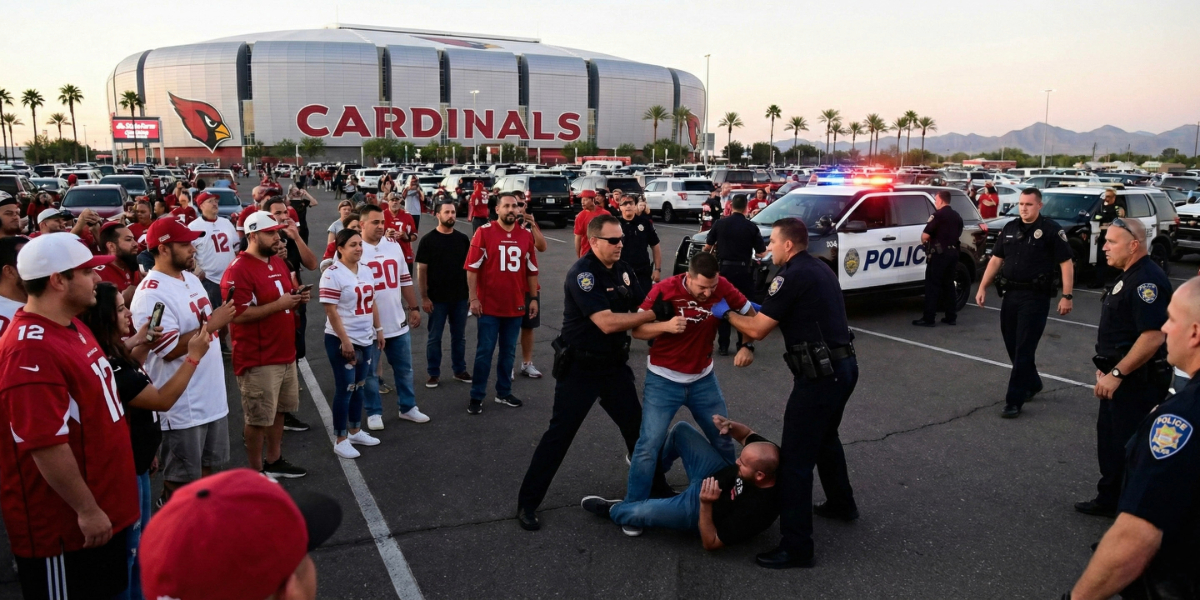
Aggravated Assault at Sporting Events: A Stark Warning for Arizona Fans
The thrill of a live game unites communities across Arizona. Whether watching a Cardinals game in Glendale, cheering during a Suns playoff in Phoenix, or enjoying college football in Tempe, sporting events bring energy and camaraderie. However, when passions run high and alcohol flows freely, the atmosphere can quickly shift from celebratory to tense. In such environments, a minor scuffle can escalate into a serious criminal charge that forever alters lives.
Recent cases have shown how seemingly small altercations—like a shove in a crowded parking lot—can transform into felony charges under Arizona law. This opinion editorial examines the twisted pathway from a simple disagreement to an aggravated assault charge, delving into the fine points of the law, the quick escalation of charges, and the ways in which fans and legal professionals alike must be aware of these nerve-racking developments.
Understanding Simple Assault in Arizona: The Base Definition
Under Arizona law, simple assault is defined in ARS 13-1203. Essentially, any action that intentionally, knowingly, or recklessly causes physical injury to another person, or creates a reasonable fear of imminent harm, qualifies as assault. This definition also extends to unwanted physical contact with the intent to insult or provoke someone.
In everyday life—a shove during a heated argument or accidental contact while celebrating a win—such events might seem trivial. Yet even these minor incidents can have long-lasting legal consequences if they result in injuries that are later reclassified under aggravated assault statutes. The law dictates that even a simple dispute, if not managed carefully, could lead to a case that is both intimidating and loaded with problems down the line.
When Assault Escalates: Aggravated Assault Under ARS 13-1204
Aggravated assault is a step up from simple assault and is governed by ARS 13-1204. This statute outlines specific conditions that transform a minor incident into a far more serious, and often felony, offense. Some of these escalating factors include:
- Inflicting serious physical injury that poses a significant risk of death or results in lasting disfigurement or disability.
- Utilizing a deadly weapon or everyday objects that, under the circumstances, can cause severe injury—what the law calls a dangerous instrument.
- Assaulting an individual who is protected by law, such as a peace officer, firefighter, healthcare worker, or another official performing their duties.
- Attacking a restrained or incapacitated person or committing the act within someone’s home.
These factors are what elevate a case from a simple misunderstanding to a situation riddled with tension and legal pitfalls. Many everyday items—a beer bottle, a folding chair, or even a vehicle—can be classified as deadly if used inappropriately during an altercation. Consequently, what one might perceive as a minor infraction can swiftly morph into a life-altering felony charge.
Common Sporting Event Scenarios: When Emotions Escalate into Felony Charges
Large sporting events in Arizona are notorious for their vibrant and sometimes volatile atmospheres. With high energy and crowded venues, there are several common scenarios where tensions may spike and lead to aggravated assault charges:
- Tailgate Disputes: Parking lot disagreements over spaces, music, or team rivalries often spiral out of control. What begins as a minor altercation can result in a serious injury, such as a head injury from a fall, forcing prosecutors to consider enhanced charges.
- Bar Fights After the Game: Celebratory gatherings at local bars or restaurants after a game are fertile ground for conflicts. When objects like pool cues, bottles, or even bar stools are involved, they can be deemed dangerous instruments under the law.
- Confrontations with Security or Law Enforcement: When fans clash with security personnel or police officers, especially those performing their official duties, the charges can quickly escalate to aggravated assault on a protected individual. The legal system is particularly harsh in these situations.
- Intervention Gone Wrong: There are instances when bystanders, in an attempt to break up a fight, inadvertently become entangled in the conflict. Even with good intentions, if their actions cause injury, they can face severe legal consequences.
These scenarios underline the tangled issues present in environments where large groups, high emotions, and alcohol collide. The quick decisions of law enforcement in these charged situations leave little room for nuance, often forcing individuals into legal battles with outcomes that can be overwhelming.
Penalties for Felony Aggravated Assault in Arizona: A Closer Look at Sentencing
When an assault charge is elevated to aggravated assault, the penalties are immediately intensified. Different classifications of felony assault carry distinct sentencing ranges. The following table provides an overview based on first-offense circumstances:
| Felony Class | Typical Circumstances | Prison Range (First Offense) | Relevant Statutes |
|---|---|---|---|
| Class 2 Felony | Serious physical injury or use of a deadly weapon | 7 to 21 years | ARS 13-1204(A)(1),(2), ARS 13-704 |
| Class 3 Felony | Temporary but substantial disfigurement | 5 to 15 years | ARS 13-1204(A)(3), ARS 13-702 |
| Class 4 Felony | Assault on a peace officer or protected victim | 4 to 8 years | ARS 13-1204(A)(8) |
| Class 6 Felony | Less severe aggravating factors | 1 to 2.5 years | ARS 13-1204(B) |
Beyond prison sentences, these charges may also include hefty fines of up to $150,000, probation, restitution payments, and a permanent tarnished record that can affect firearm rights and future employment opportunities. For many, the prospect of facing such convoluted and intimidating legal consequences is nerve-racking.
Defense Strategies to Figure a Path Through Felony Charges
When an incident at a large sports event leads to an aggravated assault charge, the legal pathway becomes a maze filled with tricky parts and confusing bits of the law. However, there are defense strategies that can help reduce the severity of charges or, in some cases, lead to dismissal altogether. Some of the key defense strategies include:
- Self-Defense or Defense of Others: Arizona law permits the use of reasonable force to protect oneself or another individual from imminent harm. Demonstrating that force was necessary and proportionate can help counter the charges under ARS 13-404 and 13-405.
- Lack of Intent: Aggravated assault charges hinge on the perpetrator’s intent. If evidence shows that the injury occurred accidentally, the prosecution’s case may suffer. Proving that no intentional harm was meant can be a critical defense point.
- Challenging the Definition of Serious Injury: The legal definition of serious physical injury includes injuries that present a substantial risk of death or permanent impairment. By employing medical experts to question whether the injury meets this definition, a defense attorney might tilt the balance in the defendant’s favor.
- Disputing the Dangerous Instrument Claim: Not every object used during an encounter qualifies as dangerous. It is important to highlight the context in which an object was used and to argue that its classification as a deadly tool was exaggerated.
- Questioning Constitutional Violations: If there is evidence that the arrest involved unlawful search and seizure or other violations of Fourth Amendment rights, critical pieces of evidence could be excluded, potentially weakening the case.
Each of these strategies requires a deep dive into the fine details of the case, often turning what seems like a straightforward situation into a layered and tense legal challenge. Skilled defenders know that the small distinctions in how an event is portrayed can make a tremendous difference in court, underscoring why every minute detail matters.
How Minor Altercations Become Life-Altering Felony Charges
The reality that a minor confrontation can spiral into a felony assault charge is one of the most alarming aspects of Arizona’s legal landscape. In the heat of a sports event, emotions run wild. A simple push or verbal altercation might be dismissed in calmer circumstances, but when amplified by the charged atmosphere of rivalry and competitive spirit, even small twists and turns in behavior can have heavy consequences.
The legal system in Arizona is designed to protect public safety, but it can also be unforgiving toward those caught in the wrong moment. The transition from a simple misdemeanor under ARS 13-1203 to a felony under ARS 13-1204 can be as swift as it is unexpected. In a matter of minutes, a night of fun can turn into a nerve-wracking legal ordeal that impacts career prospects, personal relationships, and future freedom.
This strict application of the law serves as a warning to all citizens: consider the implications of your actions, even in what seems to be a casual or off-hand situation. The reality is that under Arizona law, every action is examined under the lens of potential danger, and what may seem trivial on the surface might be viewed very differently in a courtroom.
Arizona Aggravated Assault Escalation: Examining Real World Cases
Real-world incidents provide sobering examples of how quickly things can go wrong. Consider a college football rivalry game in Tempe: a disagreement in a crowded parking lot led to one fan pushing another, resulting in a head injury severe enough to require surgery. The injuries were later classified as serious, and the incident was charged as a Class 2 felony. Similarly, after a playoff basketball game in downtown Phoenix, an altercation in a local bar escalated when a metal folding chair was used, transforming an argument into a dangerous assault charge.
These cases are not isolated events. They illustrate how the mix of high adrenaline, crowded spaces, and everyday objects can create legal situations that are both full of problems and off-putting in their complexity. Each scenario forces individuals who might have merely experienced a minor scuffle to confront the harsh reality of the legal system’s response.
Defending Against Charges at Large Sporting Venues
For anyone whose actions at a sporting event might have led to aggravated assault charges, early and expert legal intervention is essential. The decisions made in the immediate aftermath of an incident can have lasting repercussions, so taking steps to quickly secure experienced counsel is one of the most super important decisions a person can make.
Defense attorneys familiar with cases arising at large sporting events understand both the chaotic atmospheres and the subtle details that can shift a case from one category to another. They are skilled at:
- Reviewing surveillance footage to capture angles that might not fully represent the incident.
- Interviewing witnesses who can offer a more balanced perspective amid the tumult.
- Evaluating the interplay of factors such as alcohol, emotional intensity, and the physical environment.
- Assessing how minor injuries may have been exaggerated or misclassified within the legal framework.
This vigilant attention to detail and a commitment to finding every possible angle of defense is what enables the legal system to sometimes reduce charges or even dismiss cases entirely. However, the defense road is laden with tricky parts and tangled issues, and without knowledgeable guidance, defendants can find themselves overwhelmed by the legal process.
Community Responsibility: How Fans Can Protect Themselves and Their Peers
While much of the legal debate centers on courtroom strategies and sentencing guidelines, the lessons to be learned extend beyond the legal profession. Fans and communities must also understand their role in preventing situations that could lead to charges of aggravated assault. Here are several practical steps Arizona sports fans can take to protect themselves and others:
- Stay Aware of Your Surroundings: Recognize that crowded venues are ripe for misunderstandings. Keeping a level head and being mindful of personal space can help reduce the likelihood of conflicts.
- Monitor Alcohol Consumption: Alcohol can be a catalyst for actions that, when viewed out of context, may lead to unintended consequences. Moderation is key to ensuring that celebrations remain safe.
- Intervene with Caution: If you find yourself in a situation where a dispute arises, be cautious about intervening. While helping to de-escalate a fight is commendable, doing so without clear evidence of imminent danger might inadvertently entangle you in legal problems.
- Foster a Culture of Respect: Sporting events are communal experiences. Promoting respectful behavior and encouraging dialogue over confrontation can help create a safer environment for everyone involved.
This collective responsibility not only enhances safety at events but also contributes to reducing the frequency of situations that require the legal system to step in. In communities where respect and self-awareness are prioritized, the risk of a minor altercation spiraling into a felony is significantly lowered.
Reassessing the Role of Law Enforcement at Sporting Events
Another essential factor in understanding these cases is the role played by law enforcement. Officers at sporting events often have to make split-second decisions amidst chaotic and tense circumstances. Their reports and initial assessments are critical in shaping the legal path an incident will take.
However, these decisions are not immune from errors. In the pressure cooker environment of a stadium or tailgate party, even experienced officers may rely on incomplete or misleading information. This reality underlines the importance for defense attorneys to meticulously review the circumstances surrounding each case and, where necessary, challenge police actions or reports that might be biased by the charged atmosphere.
When the legal process begins, every detail—from a questionable search and seizure to inconsistent witness statements—plays a part in determining the outcome. This aspect is particularly nerve-racking for defendants who may not fully understand the fine shades of legal procedure. It emphasizes the need for robust legal representation to ensure that their rights are preserved and that any shaky evidence is thoroughly challenged.
Looking Ahead: Preventing Future Incidents and Protecting Legal Rights
The transformation of a simple argument into an aggravated assault charge is not just a legal concern—it is a reflection of cultural and societal challenges. For Arizona sports fans, understanding these twists and turns can help foster an environment where conflicts are diffused before they spiral out of control.
Policy makers and law enforcement officials are also faced with the delicate task of balancing public safety with individual rights. While strict measures are in place to deter violent behavior, the potential for penalizing minor disputes with overly harsh consequences remains a contentious issue. Finding an equitable balance that respects both community well-being and personal liberties is a delicate dance that requires continuous dialogue among stakeholders.
At the heart of this debate is the understanding that laws are designed to protect us, but they must also be applied with discernment. Every citizen, whether a fan at a game or an individual in everyday life, deserves a fair legal process that distinguishes between a momentarily heated exchange and a maliciously intended act of violence.
Final Thoughts: Steering Through the Legal Maze with Knowledge and Caution
The law offices defending individuals charged with aggravated assault in Arizona are reminders of both the strength and the limitations of our legal system. While the statutes are clear in their aim to protect public safety, their application sometimes leaves little room for the human elements—the slight differences in context, intention, and circumstance—that can make all the difference in a case’s outcome.
Anyone facing an aggravated assault charge, especially in the chaotic environment of a large sporting event, should take immediate steps to secure experienced legal counsel. With the stakes as high as they are, finding your way through the twists and turns of the legal process is critical. Whether it is by challenging the evidence, disputing the classification of injuries, or questioning the manner in which law enforcement handled the situation, there are routes available to help mitigate the consequences.
At its core, the narrative of aggravated assault at sporting events is a cautionary tale. It urges us all—fans, police, legal professionals, and community leaders—to remain alert and considerate in our actions. Through responsible behavior, informed legal strategies, and continuous engagement with community policies, it is possible to reduce the risk of what might otherwise turn a fun event into a lifelong ordeal.
In summary, while Arizona’s legal standards for assault and aggravated assault are clear and enforce strict penalties when those standards are met, society has a role to play in preventing these scenarios from arising in the first place. By understanding the law, respecting public spaces, and maintaining a sense of personal responsibility in heated moments, fans can help ensure that a night of spirited competition does not end in a nerve-wracking legal battle.
Key Takeaways and Practical Advice for Arizona Sports Fans
Before concluding, here are some bullet-pointed tips and takeaways that distill the essential points covered in this discussion:
- Know the Law: Familiarize yourself with the basics of ARS 13-1203 and ARS 13-1204. Understanding what constitutes simple assault versus aggravated assault can help you avoid actions that might be misconstrued legally.
- Keep Emotions in Check: Sporting events are filled with adrenaline, but letting emotions override reason can lead to decisions that might result in legal troubles.
- Avoid Physical Altercations: Even if provoked, minimize physical engagement. Instead, try to de-escalate the situation verbally or remove yourself from the environment.
- Seek Immediate Legal Guidance: If involved in any altercation, consult with a legal professional as early as possible. Early intervention can help preserve your rights and may prevent more serious charges.
- Document the Incident: Whenever possible, preserve evidence such as video recordings, witness contact information, and any other documentation that can support your version of events.
Sports fans and the broader community must appreciate that each incident is more than just a momentary lapse—it is a potential turning point with lasting consequences. The law is there to safeguard society, yet it is up to individuals to act with awareness and caution in environments that are naturally charged and on edge.
Embracing a Future of Responsible Enjoyment and Legal Awareness
The landscape of public safety at sporting events is a complicated mix of enjoyment, high stakes, and legal responsibility. While these events serve as a uniting force in communities across Arizona, they also demand that we all remain vigilant in our actions. Recognizing the potential for escalation helps foster an environment where safety and respect are paramount.
Legal experts, law enforcement, and community leaders must continue to engage in dialogue about how best to manage these situations. By addressing the underlying factors that lead to conflicts—such as crowd density, alcohol influence, and heightened emotions—it is possible to craft strategies that prevent the occurrence of situations that are full of problems.
As Arizona fans gear up for the next big game, let this serve as a reminder: every action has consequences. Understanding the legal framework, being mindful of surroundings, and acting responsibly are not just recommendations—they are essential steps in protecting oneself and the broader community.
Ultimately, adjusting our behavior and expectations in these charged environments is a shared responsibility. Whether you are a passionate supporter, a law enforcement officer, or a legal professional, finding your path through the legal maze requires a blend of knowledge, caution, and empathy for all parties involved.
Conclusion
The journey from a friendly game to facing a felony charge is a sobering narrative that challenges our notions of justice and personal responsibility. Aggravated assault statutes in Arizona, though designed to protect public safety, can sometimes ensnare individuals in a web of legal complications from a moment’s lapse in judgment. It’s clear that while the law provides structure, it also demands that each of us contributes to a culture of restraint and awareness.
For those caught in the midst of these challenging situations, remember that experienced legal assistance is out there to help you work through the system. As we continue to enjoy the spirited environment of sporting events, let us also strive to keep our actions measured and our responses reasonable, ensuring that every fan’s experience remains one of joy rather than regret.
By embracing responsibility and remaining aware of the potential consequences of our actions, we can all contribute to making our community safer and ensuring that our legal system remains a tool for justice—not a source of unintended hardship. Let this op-ed be both a call to awareness and a guide to making smarter, more informed decisions in moments when emotions soar high and the stakes seem immeasurably great.
Read more about this topic at https://azcriminalandfamilylaw.com/aggravated-assault-in-arizona-at-large-sporting-events/
Related articles you might like
3 ways a misdemeanor turns into a felony
Can A Misdemeanor Be Changed To A Felony?