Community Support as a Cornerstone in Addressing Childhood Grief in Tucson
In Tucson today, there is a growing realization that childhood grief is a widespread and pressing public issue. More and more families are facing the loss of a parent or sibling, and the effect of such loss can be overwhelming. The ways in which bereaved children and their families cope with this loss often involve a tangled mix of emotions, coping strategies, and community efforts. In this editorial, we explore how Tucson is coming together with dedicated community-based organizations, like Tu Nidito Children & Family Services, to support children through these difficult times.
Grief is never a straight line; rather, it is filled with tricky parts, tangled issues, confusing bits, and complicated pieces that require both emotional support and practical guidance. For many families, the twists and turns of grief can mean the difference between isolation and hope. By focusing on support networks and community initiatives, Tucson is making headway—making sure that children affected by loss are not left alone in their journey through mourning.
Understanding the Human Toll of Loss on Young Minds
The experience of losing a loved one fundamentally changes how children perceive the world. When a child loses a parent or sibling, it is not just the physical presence that is lost; the emotional anchor, the source of security and identity, is also removed. This abrupt shift can leave children feeling unmoored and adrift. The essential nature of community support in these circumstances cannot be overstated.
According to estimates provided by models such as the Childhood Bereavement Estimation Model, 1 in 10 children in Arizona is expected to experience the death of a close family member by the age of 18. These figures underscore that the issue is neither rare nor isolated; it is a pervasive public health concern that stretches across all neighborhoods and communities, affecting schools, sports teams, and local organizations throughout Tucson.
Impacts on Daily Life and Family Dynamics
The loss of a family member introduces several intimidating challenges into a child’s life. For many, the early stages of grief can be filled with feelings of shock, confusion, and loneliness. The absence of a guiding presence can disturb not only the child’s immediate routines but also the dynamics of the entire family system.
Children might display signs of distress in many ways—ranging from changes in behavior at school to difficulties in forming and maintaining friendships. The intertwined nature of these responses requires that support extends beyond the immediate familial unit and into community spaces such as schools and extracurricular clubs.
- Changes in academic performance
- Withdrawal from social activities
- Altered sleep patterns and dietary habits
- Shifts in personality and behavior
In addition to these observable markers, there are also underlying challenges. The subtle parts of a child’s emotional development can be disrupted, causing long-term issues if not addressed through consistent and empathetic support. This is where community organizations play a super important role.
Building a Network of Compassionate Support
Tucson’s community landscape has been transformed by the efforts of organizations dedicated to addressing childhood grief. Tu Nidito Children & Family Services has been a beacon of hope for families in distress. Their approach is rooted in the belief that no child should ever have to grieve alone. By offering group support sessions, one-on-one counseling, and community educational programs, Tu Nidito has demonstrated that structured support can help children navigate the confusing bits of grief with resilience and fresh hope.
Last year alone, the organization served over 1,100 individuals through direct support groups and reached an additional 1,000 community members through educational outreach. These impressive numbers are a testament to the collective strength of Tucson’s community partners, the commitment of 191 compassionate volunteers and board members, and the significant generosity of local supporters.
Key Programs and Initiatives That Mend Broken Hearts
The programs offered by organizations like Tu Nidito are tailored to meet the emotional needs of bereaved children and their families. Here, we take a closer look at some of the essential initiatives designed to help children manage the overwhelming and off-putting challenges of loss.
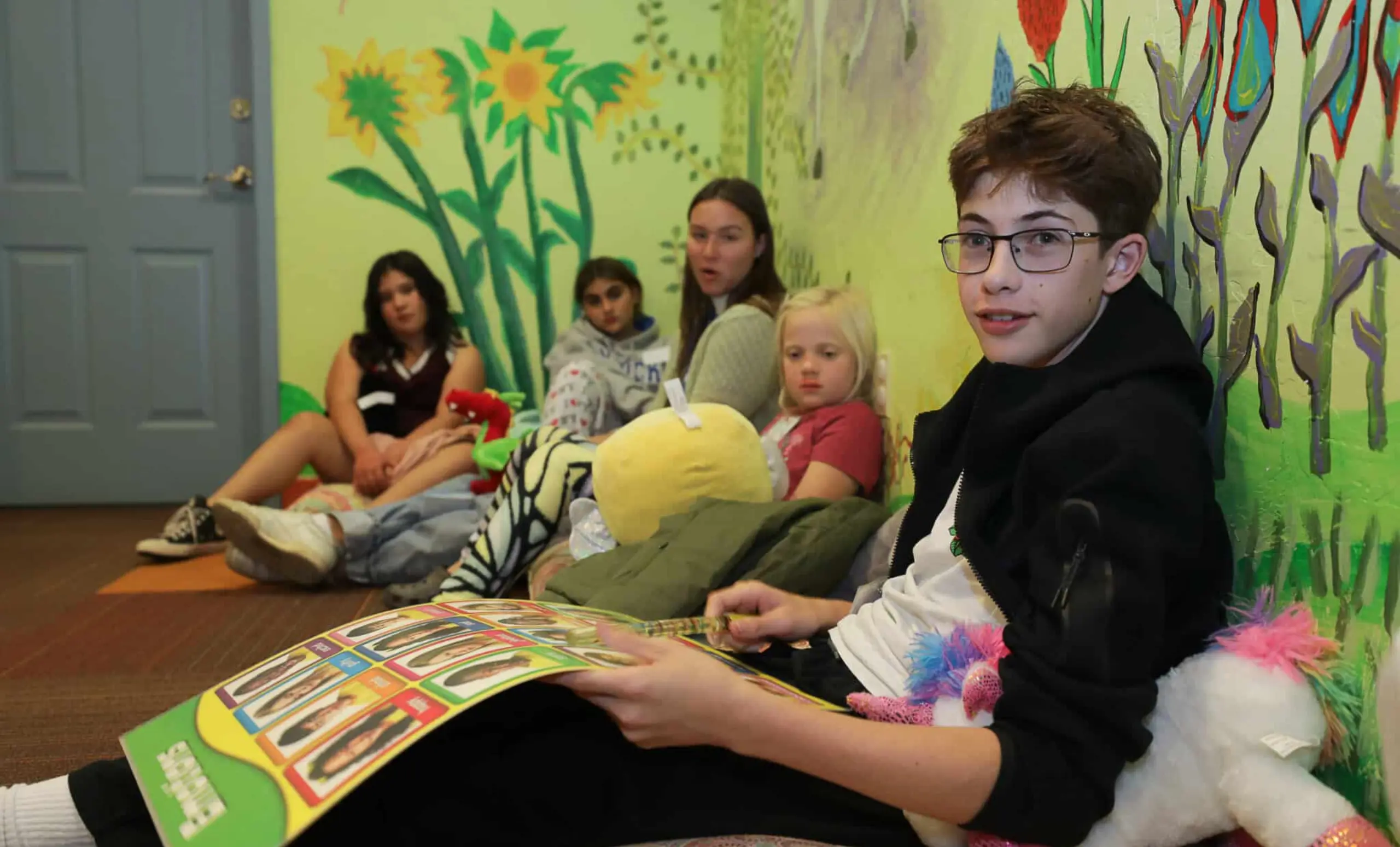
Support Groups: These sessions are designed to provide safe spaces for children of all ages. They offer a nurturing environment where participants can express their feelings, share memories, or simply listen to peers who understand their sorrow.
Grief Education and Outreach: Recognizing that early intervention is key, Tu Nidito conducts educational sessions in community centers and schools. These sessions help to destigmatize the process of grieving and offer practical advice for coping with loss.
Customized Age-Appropriate Counseling: From toddlers to teens, counseling is carefully tailored, taking into account the fine points of each developmental stage and the specific psychological needs of each age group.
Healing with Play: A Unique Approach to Grief Therapy
One particularly compelling initiative is the “Healing with Play” event at the Children’s Museum of Tucson. This innovative program demonstrates that healing may often begin in spaces that celebrate joy and discovery, even amidst the lingering shadows of grief.
The event is designed as follows:
- An organized session of sharing circles divided by age groups—from children as young as four years to high school participants.
- The creation of a Memory Garden—a symbolic space where memories and expressions of love are cultivated.
- Opportunities for open dialogue, creative expression, and communal reflection on loss and hope.
- A concluding interactive tour of the museum, offering moments of relief where play and exploration go hand-in-hand with processing sorrow.
This event, and others like it, are on the frontlines of Tucson’s community-driven approach to healing. By taking the wheel and steering through the confusing bits of grief, families are given a nurturing space to regain a semblance of normalcy while acknowledging their loss.
The Importance of Age-Appropriate Emotional Support
It is essential to understand that children experience grief in multiple ways. The subtle differences in how a four-year-old reacts compared to a teenager require a diversified approach in therapeutic settings. These group sessions, combined with individual moments of counseling, create a balanced environment where children can either speak up or simply feel heard.
For example, the sharing circles are methodically designed to allow participants to engage with peers who are facing similar challenges. Whether children wish to create art, plant memories, or talk through their experiences, the opportunities provided are both gentle and stimulating. This careful planning helps children find their way through the mixed emotions that are both overwhelming and nerve-racking.
Legal and Policy Perspectives on Supporting Bereaved Children
Local and state governments have recently begun to recognize the importance of addressing childhood grief not only from a psychological perspective but also through policy and legal frameworks. Given that grief impacts educational outcomes, future employment prospects, and overall societal contributions, policymakers are taking a closer look at programs that support family healing.
A review of current policies shows a notable increase in community funding and support programs aimed at alleviating the long-term consequences of childhood grief. This renewed interest by policymakers underlines the super important role these programs play in creating a robust support network for families across Tucson.
Some of the legal considerations include:
- Ensuring equitable access to mental health resources for bereaved children irrespective of socio-economic status.
- Promoting community-based interventions as a method to reduce the long-term societal impact of untreated grief.
- Incorporating emotional support services as part of school curriculum and community programs.
These efforts emphasize that the challenge of supporting bereaved children is not merely a social issue, but one that touches on the fine details of public health, education policy, and community welfare.
Balancing Individual Needs with Community Responsibilities
Legal scholars emphasize that the best outcomes in emotional support are achieved when there is an integrated approach—where community organizations, schools, and governmental agencies work closely together. This method of finding your path through grief ensures that children do not fall through the cracks of an overwhelmed system.
Key points discussed by legal experts include:
| Issue | Legal Consideration | Community Response |
|---|---|---|
| Access to Support | Ensuring equal rights for mental and emotional healthcare | Outreach programs and subsidized counseling services |
| Educational Impact | Mandating support services within schools | Incorporating grief education and counseling in school programs |
| Long-term Well-being | Policy initiatives aimed at long-term mental health care | Community collaborations and public funding for wellness programs |
This table highlights how a balanced approach to policy-making can support the intertwined needs of the individual and the community. While the legal framework provides the backbone, it is the community’s involvement that sets the wheels of support in motion.
Future Directions for Community-Based Grief Support
Looking ahead, Tucson needs to continue rethinking and reinventing its approach to dealing with childhood grief. As new challenges arise—whether they are related to emerging social issues or new family structures—the city must be ready to pivot, ensuring that no bereaved child is forgotten. Future directions may include enhanced digital platforms for support, extended educational programs in schools, and increased governmental funding aimed at building resilient communities.
One area of promising development is the integration of digital and in-person support initiatives. With the advent of online counseling platforms and mobile apps that offer guided support and community connection, families can get help quickly and discreetly. This blend of digital and traditional methods can help solve some of the subtle parts of accessing mental health support in times when physical visits might be nerve-racking or off-putting.
Innovative Ways to Address the Mixed Emotions of Grief
The realm of online support has expanded rapidly. Organizations like Tu Nidito are now utilizing digital tools to reach out to families even when they cannot meet face-to-face. This offers many benefits:
- Accessibility: Digital platforms can reach those living in remote areas or those who face mobility issues.
- Anonymity: In scenarios where children or their parents might feel too overwhelmed to share in person, online forums provide a space to express feelings safely.
- Flexibility: Digital support can be available around the clock, providing timely assistance when needed most.
Despite these advances, face-to-face interactions remain crucial. The physical presence of a caring adult, the subtle details of a comforting gesture, and the shared experience of community gathering are irreplaceable aspects of healing. Thus, Tucson’s community leaders continue to champion a hybrid model that includes both innovative digital solutions and traditional in-person support.
Challenges and Opportunities: Working Through the Difficult Bits of Policy Implementation
While the community has made significant strides, there remain several challenging parts in implementing seamless and effective support programs nationwide. Some of these include:
- Funding Limitations: Establishing long-term, sustainable support services demands robust funding initiatives, which are not always available.
- Policy Gaps: Often, there are tangled issues in how policy is translated into practice at the local school and community levels.
- Access and Equity: Ensuring that all families—and particularly those from marginalized communities—receive the help they require continues to be a difficult issue.
Nonetheless, these challenges offer opportunities for reform and innovation. As local leaders collaborate with state representatives and community organizations, there is an opportunity to build a framework that is both flexible and responsive. Policy makers must keep in mind the small distinctions and fine shades of every unique family situation.
A successful strategy would require:
- Regular feedback from families actively using these services.
- Structured pilot programs that test out new forms of support.
- Open channels of communication between policymakers, legal experts, and community service providers.
By focusing on these steps, Tucson and other communities can work toward a model that is thorough, accessible, and ultimately effective in mitigating the long-term effects of childhood grief.
Collaborating Across Sectors for Holistic Healing
Successful approaches to addressing childhood grief rely on a well-oiled network of support that spans various sectors—from education and healthcare to legal and community services. Each group plays a part in creating an environment where bereaved children can begin to rebuild their lives, one step at a time. This collaborative framework is not only key for the affected families but also super important for the overall social and economic well-being of Tucson.
Key contributors include:
- Local Schools: By incorporating grief counseling into the curriculum, schools can offer early support and monitor students’ progress.
- Healthcare Providers: Clinicians and counselors work together to address both the mental and physical repercussions of grief.
- Government Officials: Through funding, policy creation, and public awareness campaigns, they help ensure that programs are well-supported.
- Nonprofit Organizations: These groups often serve as the nerve center for community support activities, offering on-the-ground services that directly benefit impacted families.
This coordinated strategy ensures that every child has a safety net to catch them during moments when grief might seem overwhelming or intimidating.
The Role of Local Partnerships in Fostering Community Resilience
At the heart of Tucson’s response is the belief that community resilience forms the backbone of recovery. Partnerships between nonprofit organizations, local businesses, and government agencies have created an environment where grief is met with compassion rather than isolation. One clear example is the partnership seen in events such as the Healing with Play initiative, where the Children’s Museum of Tucson collaborates with Tu Nidito to offer a space that encourages children to process their loss through creative expression and shared experiences.
These local partnerships help highlight the importance of shared responsibility when it comes to supporting bereaved children. They serve as a model for other communities to follow. Together, they:
- Create safe spaces for open conversations about loss.
- Ensure that resources are available for immediate and long-term support.
- Provide practical solutions and hands-on experiences that stimulate healing and community engagement.
Through such cooperation, Tucson is not merely reacting to the challenges of childhood bereavement; rather, it is proactively building a framework that nurtures hope and resilience amid difficult times.
Community Events and Awareness Campaigns
One of the ways Tucson has managed to bring together its diverse community is through organized events and awareness campaigns. These initiatives not only provide essential information on the available support channels but also break down the stigma that often surrounds discussions of grief. By using community forums, local media, and social outreach, the message is clear: no family should have to face childhood grief alone.
Some noteworthy community strategies include:
| Initiative | Objective | Outcome |
|---|---|---|
| Support Circles | Facilitate age-appropriate peer dialogue | Enhanced understanding and shared healing |
| Memory Garden Creation | Provide a creative outlet to honor lost loved ones | A symbolic space that fosters connection and remembrance |
| Community Workshops | Educate families on managing grief at home | Improved family communication and emotional resilience |
These efforts help to spotlight the word-of-mouth support that is fundamental in ensuring that every bereaved child feels acknowledged and understood.
The Ripple Effects of Early Emotional Support
Beyond the immediate emotional relief it offers, early intervention in cases of childhood grief carries long-term advantages. Research shows that when children receive age-appropriate and compassionate support early on, there is a marked improvement not only in their overall well-being but also in their academic performance, social interactions, and future emotional stability.
Key benefits of early intervention include:
- Reduced likelihood of developing persistent mental health issues
- Better coping skills in managing stress and emotional setbacks
- Enhanced ability to form trusting relationships
- Improved focus and performance in educational settings
These benefits prove that the seemingly nerve-racking process of grief can transition into a journey of lifelong resilience when supported by a caring community. As Tucson’s experience illustrates, the combined efforts of families, community organizations, and local authorities are essential in helping children weather the storm of loss.
Strategies to Foster Long-Term Emotional Resilience
To ensure that early support translates into long-term resilience, community programs must adopt strategies that focus on continuous education and well-being. Some recommended strategies include:
- Regular Counseling Sessions: Follow-up individual or group sessions ensure that children retain coping skills long after the initial phase of grief.
- Parent Workshops: Educating parents on the subtle parts of grief can help them recognize and respond to their children’s evolving needs.
- Peer Mentoring Programs: Older adolescents who have navigated their own loss can serve as mentors to younger children, offering relatable guidance and support.
- Community Check-In Programs: Local volunteers and professionals can maintain regular contact with grieving families as a form of ongoing reassurance and assistance.
These practices not only afford relief during times of crisis but also contribute toward molding emotionally resilient individuals who can eventually lend their strengths back to the community.
Looking Forward: A Call for Continued Community Engagement
As Tucson continues to face the challenging parts of supporting children through loss, it becomes ever more critical that community engagement remains dynamic and proactive. The collective experiences shared during events such as Healing with Play, along with robust educational and counseling programs, underline a vital truth: the process of healing is communal and continuous.
Looking to the future, local leaders and community organizations must keep showing up for one another. By embracing a combination of innovative digital resources, sustained in-person support, and flexible policy improvements, Tucson can provide a blueprint for other regions on how to manage the mixed emotions of childhood grief. This is not merely a reactive measure; it is a proactive celebration of life, memory, and the inherent strength of community bonds.
Encouraging a Culture of Empathy and Action
In every corner of our community—within our schools, neighborhoods, and local media—there is a growing call for empathy. By normalizing the conversation around grief and ensuring that the support is accessible and compassionate, Tucson sets an example for communities everywhere. It is a reminder that healing starts with the simple yet decisive act of showing up for one another.
Therefore, if you know a child struggling with the weight of loss, it is essential to remind them that they are not alone in this journey. Whether through professional counseling, community outreach initiatives, or just a heartfelt conversation, every act of kindness counts. The small distinctions in support—like listening intently, sharing a memory, or even a comforting smile—can make all the difference in steering through the confusing bits of grief.
Conclusion: Building a Resilient Future Together
Childhood grief, with all its twists and turns, offers some of the most challenging bits that a community can collectively address. Tucson’s landscape, enriched by organizations like Tu Nidito Children & Family Services, highlights that when families, volunteers, and policymakers work hand in hand, even the most tangled issues can be unraveled.
By embracing both innovative approaches and tried-and-true methods of support, Tucson is not only easing the immediate pain of bereavement but is also building a resilient foundation for the future. The journey through grief is undeniably nerve-racking, but it is equally full of opportunities for growth, connection, and renewed hope.
As we continue to witness and participate in these community efforts, let us remember that every initiative, every support group, every community partnership is a crucial step toward a healthier, more compassionate Tucson. The task of helping children cope with loss is not a solitary one—it is a shared responsibility, a call to action for all of us.
For those interested in getting involved or learning more about these vital support measures, local organizations are continually expanding their outreach programs and welcome community input. Together, we can ensure that every bereaved child finds the guidance, support, and love they need to navigate the overwhelming course of grief.
In closing, it is worth reemphasizing that Tucson’s response to childhood grief is a shining example of how communities can work through the small distinctions and fine shades of loss with remarkable strength and resilience. Let this be a call for continued, unified action—because in the face of loss, the collective care of a community is the most enduring remedy of all.
Originally Post From https://tucson.com/opinion/column/article_8bb47b3b-583c-46d8-9c18-424845643c15.html
Read more about this topic at
The Healing Power of Community and Connection
Healing Power of Community | Impact on Mental Health