Memorial Service Amid Legal Battles: Examining the Rebekah Baptiste Case
The tragic death of 10‐year‐old Rebekah Baptiste has stirred public emotions and raised several legal questions that are as complex as they are heartbreaking. As we remember a young life cut short, it is essential to explore the legal dimensions involved—detailing the processes, legal missteps, and challenges in holding those responsible accountable. In this opinion editorial, we take a closer look at the tangled issues of child protection, evidence collection, and the difficult task of seeking justice while providing solace to a grieving community.
Understanding the Legal Landscape in Child Protection Cases
Child protection laws are designed to shield the most vulnerable among us. In cases like that of Rebekah Baptiste, it becomes particularly nerve-racking to address both the public’s demand for swift justice and the careful adherence to legal procedures. It is key to understand the different stages of a criminal investigation and the role of evidence in building a case that will ultimately stand in court.
Legal experts point out that the process is layered with twists and turns, from collecting evidence to managing public sentiment. The following table offers a snapshot of the major components in child abuse prosecutions:
| Stage | Description | Key Considerations |
|---|---|---|
| Investigation | Initial fact-finding and evidence gathering at the scene | Preservation of evidence and forensic analysis |
| Arrest and Charges | Detaining suspects and formal charging | Right to legal counsel and ensuring proper procedures |
| Prosecution | Trial phase emphasizing witness testimonies and documented evidence | Burden of proof and public scrutiny |
| Sentencing | Outcome phase where penalties are assigned | Victim impact statements and legal precedents |
This table highlights how each stage is imbued with its own set of challenging pieces—factors that often overlap and interact in unexpected, sometimes overwhelming ways.
Legal Accountability and the Weight of Evidence
In the Baptiste case, the involvement of law enforcement has been closely documented, with body camera footage revealing the moments that led to the arrest of the accused. However, beyond the initial shock, the legal process is loaded with both the overt and hidden complexities of evidence. Evidence must be handled carefully, especially when minors and sensitive family dynamics are involved.
For many legal professionals, the fine points lie in the following areas:
- Petitioning reliable forensic reports
- Reviewing witness statements and testimonies
- Ensuring that every piece of evidence is collected in line with strict protocols
- Balancing media coverage with preserving the integrity of the case
Every step is riddled with subtle parts that can either make or break a prosecution. For instance, the affidavit from the Navajo County Sheriff’s Office utilized terms like “horrendous conditions,” setting a tone that may affect both public perception and the legal narrative. While emotionally charged language can bring attention to a case, legal professionals must work meticulously to isolate the vital details and build a robust prosecutorial strategy.
The Role of the Child Welfare System and State Agencies
Complicating matters further is the involvement of state agencies, notably the Arizona Department of Child Safety (DCS). Repeated reports of dangerous living conditions, including inadequate sanitation and unreliable utilities, have thrown into sharp relief the challenges faced by social services in intervening effectively. The involvement of the DCS is a stark reminder of how public systems can be both a security and a source of contention.
The following bullet points summarize some of the tricky parts associated with state intervention in similar cases:
- Timing of intervention versus reporting of abuse
- Coordination between local law enforcement and state agencies
- Balancing immediate child rescue with long-term family stability
- Determining accountability when social service oversight is involved
When the safety of a child is at stake, state agencies are thrust into the spotlight, often in an off-putting and overwhelming situation. The process of getting these agencies to act effectively while ensuring that due process remains intact can be immensely challenging, especially when the public demand for justice is high.
Due Process Under Pressure: The Legal Implications of Public Outcry
In high-profile cases like this, a tension emerges between the public’s natural emotional reaction and the necessity of following strict legal procedures. There is a constant struggle between the urgent need for accountability and the principle of due process that protects every citizen, including those accused of crimes. This balance becomes especially difficult when the public is digging into every detail, as demonstrated by the body camera footage of the arrest and significant media coverage.
Some of the subtle legal points that come into play include:
- Presumption of Innocence: Regardless of public opinion, the legal system mandates that everyone is presumed innocent until proven guilty.
- Quality of Evidence: The admissibility and reliability of body camera footage and witness accounts are subject to legal scrutiny.
- Media Influence: Sensationalized media coverage can create an atmosphere where the fine shades between lawful procedure and public judgment become blurred.
This case underscores the need for everyone involved—law enforcement, legal professionals, and community members—to figure a path that respects both the tragedy of the event and the necessity of judicial fairness.
Balancing Compassion and the Law: A Community in Mourning
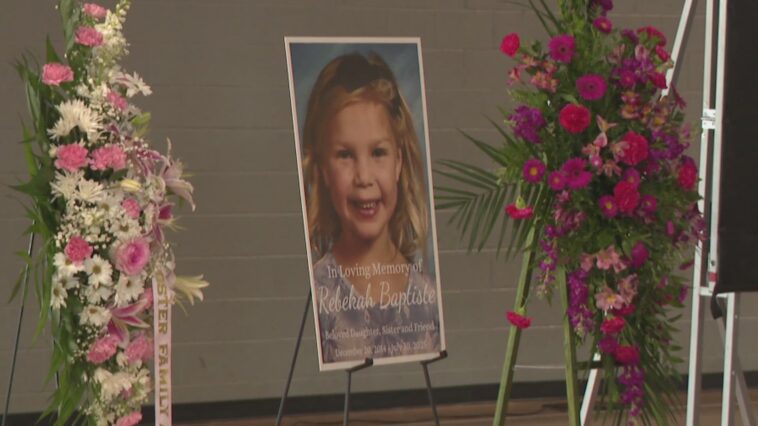
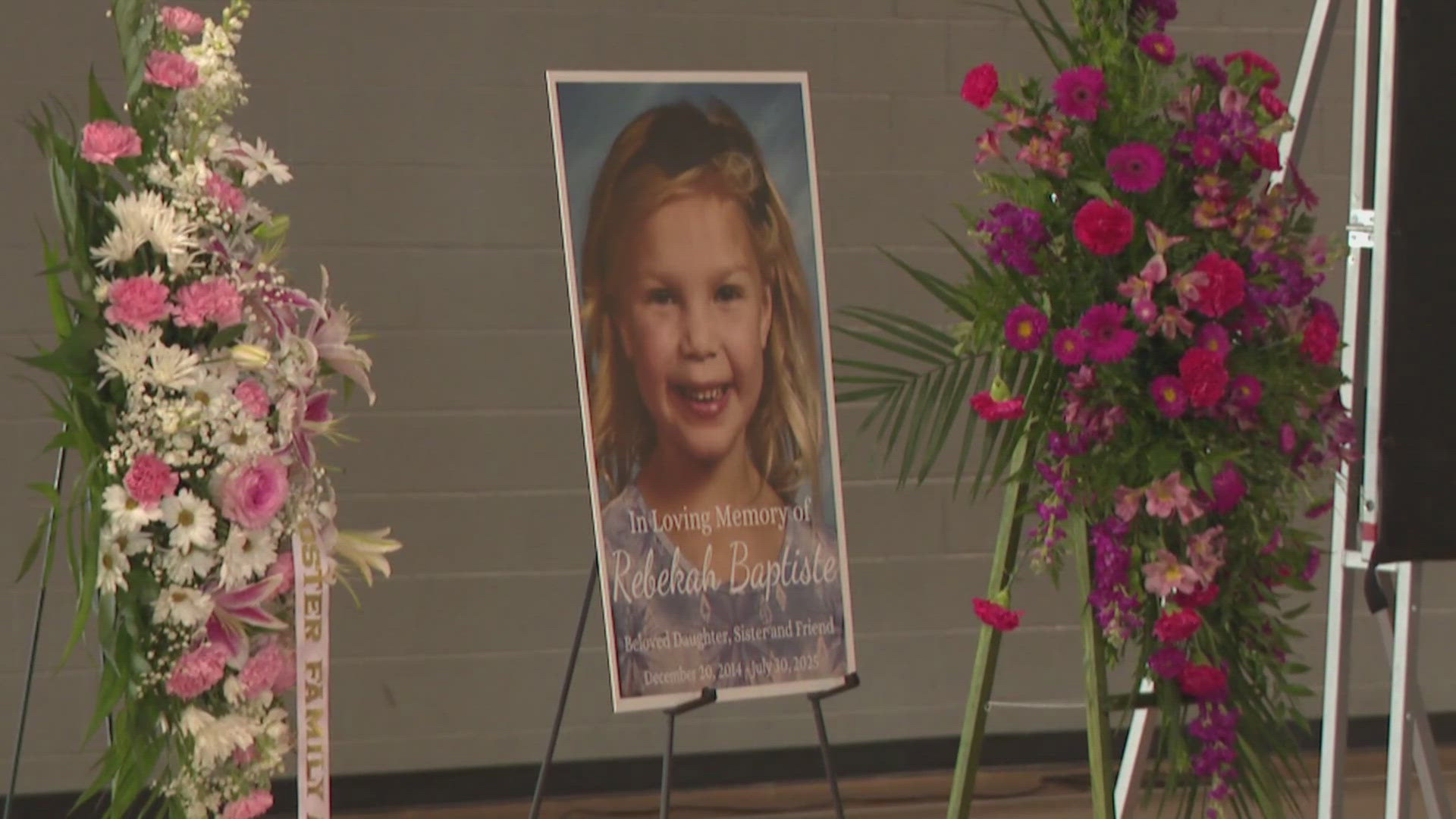
At its heart, the memorial service for Rebekah Baptiste is a moment when the community comes together to mourn a loss and yet to reflect on the systemic issues that allowed such a tragedy to occur. While legal proceedings are underway, the community’s grief cannot be disentangled from their call for systemic reform, particularly in the realm of child welfare.
It is important to note how the community’s response is loaded with its own set of challenges:
- A collective demand for accountability while mourning a loss
- The aspiration for legal reform in child abuse cases
- The difficulties in separating emotion from rational legal debate
- The role of public opinion in influencing legislative change
This interplay between compassion and the law serves as a reminder that the legal process is not merely a cold mechanism of rules, but a complex system that must also address the human element underlying each case. Public grief can serve as a catalyst for improvement in both child protection policies and law enforcement practices if it is channeled constructively.
Assessing the Impact of Media Coverage on Legal Proceedings
The role of media in high-profile cases such as this one cannot be understated. As attention focuses on the brutality of the alleged abuse, media outlets have the daunting responsibility of reporting facts without amplifying sensationalism. While footage and reports from local law enforcement provide needed transparency, they can also introduce a layer of confusing bits that need careful interpretation.
Key points in understanding media impact include:
- Transparency Versus Sensationalism: Maintaining a factual narrative while avoiding overstated language.
- Influence on Public Opinion: How detailed reports can sway community sentiment and, indirectly, the legal process.
- Reporting Ethical Guidelines: Journalists must refrain from compromising an investigation by disclosing too many fine details too early.
Legal analysts warn that, while media coverage is essential for public knowledge, too much detail can lead to jury pool biases. Therefore, it is critical for all stakeholders to work through these issues carefully, ensuring that the truth is presented without jeopardizing the rights of the accused or the integrity of the trial.
Examining the Arrest and Subsequent Charges
The charges against Richard Baptiste and Anicia Woods—murder and child abuse—serve as a stark reminder of the gravity of this case and the legal responsibilities that come with caregiving. The initial arrest, documented by recent body camera footage, raises important legal questions about evidence handling, suspect rights, and procedural fairness.
Let’s break down what makes this part of the case particularly challenging:
- The immediate reaction to the discovery of Rebekah in a vulnerable state.
- The rapid involvement of law enforcement and the subsequent arrest process.
- The careful collection of evidentiary material, which includes both physical evidence and video footage.
- The implications of statements made by the accused during initial interrogations.
Each of these points involves a series of twisted issues that, when taken together, shape the overall narrative of the case. The responsibility placed on law enforcement to both act swiftly and maintain rigorous adherence to legal standards is immense. In cases like this, any misstep can lead to prolonged legal battles and further traumatization for the victims’ families.
The Importance of Legal Precedents in Child Abuse Cases
One of the more intricate aspects of legal cases that involve child abuse is the influence of precedent in guiding judicial decisions. Historically, the fine points of child abuse and neglect have evolved as societal understanding has grown. With each new case, courts are forced to address both longstanding and emerging legal questions.
Some of the little details that often matter in these trials include:
- Interpretation of what constitutes “severe injuries” in a legal context.
- The reliability of witness testimony and the potential impact of body camera footage.
- How previous rulings in similar cases influence sentencing and conviction rates.
- The evolving standards of care and duty of care owed by family members and guardians.
Legal experts argue that while each case is unique, the lessons learned from past cases are critical for making informed decisions in court. The Baptiste case may well set new legal benchmarks in how child protection and neglect cases are prosecuted, particularly when state agencies and local law enforcement intersect.
Community Reform and the Push for Legislative Change
The public outcry that follows a tragedy like Rebekah Baptiste’s death often becomes a rallying call for reform. While the legal proceedings aim to establish accountability on a case-by-case basis, community leaders and lawmakers are looking at broader change within the system. This case exposes several off-putting issues that suggest a need for improved state intervention and preventive measures.
Some of the key areas that deserve attention include:
- Regulation of Living Conditions: Ensuring that residential areas, especially those in rural settings, meet acceptable safety standards.
- Strengthening Oversight: Increasing the powers and resources of state child safety agencies to intervene earlier.
- Community Outreach: Offering robust support systems for families in crisis, including mental health services and education on child care.
- Improving Interagency Coordination: Creating better communication channels between law enforcement, social services, and community organizations.
By taking a closer look at these specific areas, it becomes apparent that the systemic concerns extend beyond the confines of a single case. Changes in legislation and practice may ultimately help prevent similar tragedies and give communities the tools they need to figure a path through future challenges.
Lessons Learned: The Intersection of Law, Media, and Public Sentiment
What we witness in the Baptiste case is more than a tragic event—it’s a microcosm of how law, media, and public emotion collide. The balance between safeguarding the legal rights of the accused and addressing the real, often overwhelming pain of the community involves a range of confusing bits that intersect in unpredictable ways.
Some of the major takeaways include:
- The Role of Clear Communication: Legal officials and the media must work together to provide clear, unbiased updates that do not feed into sensationalism.
- Building Trust Through Transparency: Open access to factual evidence, like body camera footage, helps assure the community that the investigation is being handled with integrity.
- Maintaining Judicial Impartiality: Ensuring that legal processes remain fair even in the midst of public grief.
- Proactive Social Reform: Recognizing that each case offers an opportunity to address and reform the underlying systemic issues.
These lessons serve as a reminder that while legal outcomes are determined in court, the broader impact influences community resilience and systemic change. It is both an emotional and a calculated process—one that calls for an open conversation about the responsibilities of all parties involved, from caregivers to law enforcement officials.
Reflecting on the Bigger Picture: Systemic Failures and Opportunities for Improvement
The case of Rebekah Baptiste has ignited conversations that extend well beyond the courtroom. It poses a hard, introspective question about where our system failed the most vulnerable and what can be done to rectify these critical issues. While the legal charges against the accused provide a starting point for understanding accountability, they also open a window into the endemic challenges present in many child welfare situations.
Here are several areas that deserve a closer look:
- Resource Allocation: Are social services and child protection agencies provided with the necessary resources and training to handle cases in both urban and rural settings?
- Preventive Measures: What steps can be taken at a community level to ensure that vulnerable children are identified and supported before situations escalate?
- Legislative Support: How can lawmakers craft bills that address both immediate safety concerns and long-term welfare?
- Monitoring and Evaluation: What systems can be implemented to provide continuous feedback on the effectiveness of child protection policies?
These questions highlight the importance of sustained dialogue across multiple sectors. The intertwined issues of legal accountability, community support, and government oversight require every stakeholder to get into a collaborative space where solutions can be devised and implemented effectively.
Analyzing the Impact on Future Legal Precedents and Child Welfare Policies
One of the most constructive aspects of dissecting a case as painful as this one is the potential to reshape future legal practices. Although the focal point is a tragic loss, the legal proceedings surrounding it provide deep insights into how similar cases might be managed down the line.
Key considerations for future improvements include:
- Enhanced Evidence Management: Learning from current processes to ensure that delicate evidence is safeguarded and remains untampered.
- Strengthened Collaboration: Building stronger networks among law enforcement, child safety services, and community organizations.
- Policy Reforms: Re-examining existing laws to tighten loopholes that allow for delay or negligence in intervention.
- Training and Awareness: Improving the training for officers and social workers so they are better equipped to capture those little twists that may indicate a child is at risk.
Each of these areas represents a way to convert the grief of a lost child into actionable reforms and, hopefully, prevent future tragedies. It is a nerve-racking task to manage your way through discussions of reform when emotions run high, but this is precisely what must occur to ensure that society learns from its missteps.
Charting a Course Forward: Recommendations for Policy Makers and Community Leaders
Given the tangled issues and overwhelming public sentiment surrounding the Baptiste case, it is essential for policymakers and community leaders to work together. Thoughtful recommendations can serve as a roadmap for both immediate action and long-term strategy improvements in child welfare systems.
The following table outlines several priority recommendations:
| Focus Area | Recommendation | Expected Outcome |
|---|---|---|
| Resource Enhancement | Increase funding and training for child protection agencies | Faster, more effective intervention in at-risk cases |
| Interagency Collaboration | Create joint task forces that include law enforcement and social services | Smoother coordination and improved case management |
| Legislative Reform | Introduce bills that tighten regulations on child safety practices | Reduced loopholes and enhanced oversight |
| Community Outreach | Deploy educational and support programs in vulnerable communities | Increased awareness and early detection of potential abuse |
These recommendations are not simply theoretical; they are proposed steps that community leaders and lawmakers can take almost immediately to address some of the super important issues highlighted by this tragedy. By working collaboratively, society can figure a path that not only honors the memory of Rebekah Baptiste but also builds a safer future for other children.
Conclusion: The Intersection of Law, Community, and Change
In conclusion, the case of Rebekah Baptiste encapsulates the full spectrum of legal struggles—from intricate evidentiary challenges and off-putting procedural dilemmas to the overriding need for social and legislative reform. Behind every headline lies a set of complicated pieces that can only be resolved through a balanced approach involving law enforcement, the judiciary, state agencies, and, importantly, the community itself.
While Rebekah’s memorial service offers a moment for grieving and remembrance, it also serves as a stark reminder of the heavy price that can come when a society fails to protect its most vulnerable members. The legal battles ahead, full of tangled issues and overwhelming challenges, are critical not only for achieving justice in this case but for setting a precedent that could save future lives. It is a call to reexamine and strengthen the measures in place, ensuring that every step—from investigation to prosecution—is carried out with the precision and empathy that such cases deserve.
As legal and community leaders work together in the coming months, it is essential for all parties to embrace transparency, accountability, and cooperation. The task is undoubtedly nerve-racking, but by addressing each subtle part—from the management of evidence to the coordination of state resources—society can move from reactive measures to proactive reforms. Only then can we hope to transform tragedy into lasting change.
The Rebekah Baptiste case will undoubtedly be remembered as a turning point—a moment when public outrage met legal rigor, and when the call for reform resonated beyond courtrooms and headlines. In this spirit, let us honor her memory by striving for a system that truly protects children and ensures that justice is not only served, but also seen to be served.
In these trying times, it is imperative for every community member, legal practitioner, and policymaker to keep the welfare of our children at the forefront of their efforts. The road ahead is laden with difficult twists and turns, but by taking a closer look at every small distinction in our current systems, we can find a way to steer through these challenges. In doing so, we may just pave the way for meaningful change and a safer future for all.
Ultimately, the legacy of Rebekah Baptiste need not be defined solely by tragedy but by the significant reforms and thoughtful discussions that her case inspires. It is a reminder that while the course of justice is often complicated, every fine detail holds the potential to improve our collective future, ensuring that no child is left unprotected and that every life is valued.
Originally Post From https://www.abc15.com/news/local-news/investigations/family-announces-funeral-for-rebekah-baptiste-will-be-monday
Read more about this topic at
The Grief Of Parents When A Child Dies
What I Wish Other People Understood About Losing a Child