Innovative Education Approaches for Hospitalized Children
The idea of bringing a classroom into a hospital is both inspiring and essential. In the world of healthcare and education, the 1 Darn Cool School initiative at Phoenix Children’s Hospital stands out as an innovative approach to ensuring that children do not fall behind academically, even when their circumstances force them to remain in hospital. This creative educational model is more than just a temporary fix—it is an example of how communities can work together to address the tricky parts that arise when a child’s health takes precedence over typical schooling. It is a story of hope and ingenuity, where dedicated teachers meet the tangled issues of hospital-based learning with personalized solutions.
At the heart of this initiative is a belief in the right to education irrespective of one’s situation. Even when a child is confined to a hospital room, the need to learn, interact, and feel part of a community remains. By setting up classrooms within Phoenix Children’s Hospital, educators are able to provide structured learning, social interaction, and a sense of normalcy during periods that are otherwise overwhelming and nerve-racking for both children and their families.
Personalized Learning: Meeting Each Child’s Unique Needs
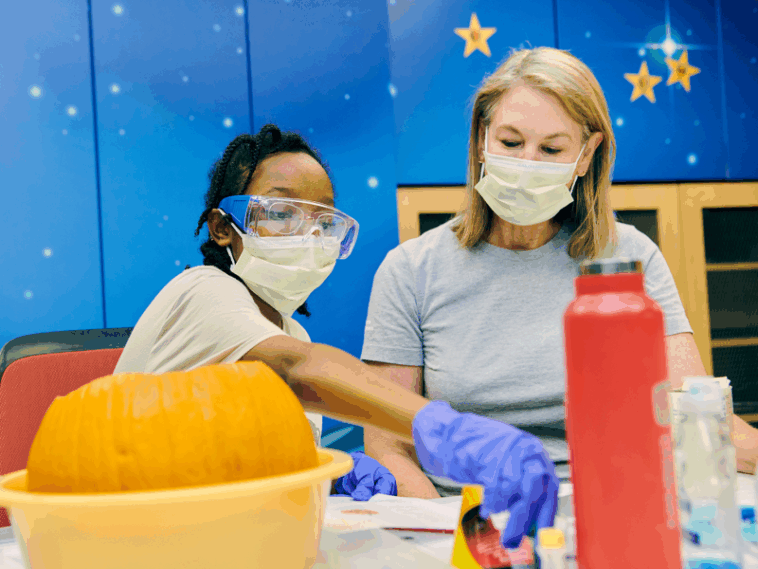
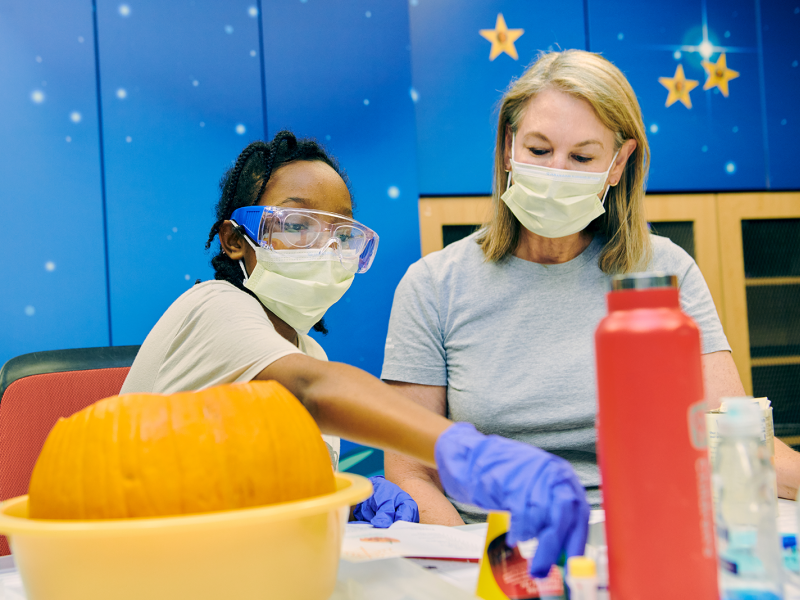
One of the most critical aspects of the 1 Darn Cool School is the personalized approach to education. Every child’s situation is different—what works for one might not work for another. The program’s nine dedicated teachers customize lessons in reading, math, science, and more to meet the individual needs of their students. In these hospital classrooms, the curriculum is not static but adapts based on each child’s health condition, energy levels, and emotional state.
This approach of tailoring instruction is not only educationally sound but crucial in bridging the gap that can be left when children are isolated from their regular school environment. The educators at 1 Darn Cool School frequently get into the nitty-gritty of lesson planning, ensuring that each child receives the level of support required to continue developing academically despite their physical limitations.
Key Components of Personalized Hospital Education
- Individualized lesson planning based on personal learning styles and health status
- Coordination with the child’s home school to ensure curriculum alignment
- Flexibility in scheduling and pacing to accommodate varying energy levels
- Use of adaptive learning materials tailored to a child’s particular interests
Teachers such as Mary Kay Mojgani and Virginia Trimble emphasize that providing a social atmosphere in the classroom—where children learn together and share experiences—plays a super important role in this educational method. The onboarding of each student is done in a way that blends traditional academic subjects with the delicate balance of being in a hospital environment.
Bridging the Gap: Ensuring Social Interactions in Isolated Environments
Hospitalization can be an isolating experience for children. Beyond the physical discomfort, there is often an emotional toll that comes from being separated from peers and the familiar school environment. One of the great achievements of the 1 Darn Cool School is its ability to create a sense of community under such circumstances.
When children are stuck on a specific hospital floor for extended periods, having a classroom nearby provides a much-needed break from the isolation. The presence of other children, along with a dedicated educator, offers not only academic engagement but also a venue for social interaction. This approach helps to combat the intimidating and nerve-racking feelings associated with long-term hospitalization.
In this setting, the school functions much like a community center where interaction and shared learning are key. Teachers make extra efforts to arrange group activities, discussions, and collaborative projects that foster connections among the students. Such activities are designed to offer the social stimulation that is essential for healthy emotional development, especially in an environment that is full of problems and off-putting realities.
Social Benefits of In-Hospital Learning
- Enhanced self-esteem through peer interactions
- Reduced feelings of isolation and loneliness
- Opportunities to develop empathy and cooperation skills
- Creation of lasting friendships that can extend beyond hospitalization
Parental Support and Administrative Relief in Challenging Times
Hospital stays often burden parents not only emotionally but also administratively. Dealing with extended absences means lots of paperwork, from chronic illness forms to special requests on behalf of their children’s schools. Recognizing this, the program at 1 Darn Cool School does more than just support the children; it also extends a helping hand to parents who are already juggling a multitude of responsibilities.
One dedicated aspect of the school’s mission is to relieve parents of certain administrative demands. Educators help with completing necessary forms and coordinating with the child’s home school to ensure that the transition back to a traditional classroom is as smooth as possible. This practical support allows parents to focus on what truly matters—caring for their child.
Virginia Trimble and Mary Kay Mojgani both note that easing the paperwork burden is a key facet of their daily work. This support provides parents with the much-needed assurance that their child’s academic journey can continue without interruption, despite the physical limitations imposed by hospitalization.
How the Program Supports Families
- Assistance with completing extended absence documentation
- Liaison services to coordinate with the child’s regular school
- Counseling and emotional support for both parents and children
- Provision of necessary learning equipment such as laptops for continued educational engagement
Educational Law and the Right to Learning
From a legal standpoint, ensuring that every child has access to education—even in challenging circumstances—is a matter of public policy and statutory rights. Many legal frameworks emphasize that education is a fundamental right. In the context of children who are hospitalized, the approach taken by 1 Darn Cool School not only meets the educational needs but also helps to uphold these legal principles.
The responsibility of guaranteeing community access to education forms part of broader debates in education law. In many jurisdictions, school districts are required to provide adequate services for children who, due to various reasons, cannot be physically present in a traditional classroom. This case illustrates how innovative models like hospital-based education programs are not merely well-intentioned initiatives but also implementations that align with legal rights.
Legal experts in education often point out that adapting educational services to unique circumstances is critical. They argue that these creative setups play a key role in ensuring that the state’s legal commitments to providing equal opportunities are upheld. The efforts at Phoenix Children’s Hospital can serve as a model, demonstrating that when the system gets creative, it’s possible to offer tangible support where it’s needed most.
Legal Perspectives on In-Hospital Education
- Education as a constitutional or statutory right
- The legal obligation for school districts to provide equivalent educational opportunities
- Potential policy reforms to better support alternative education methods
- Collaboration between legal authorities and educational institutions to overcome tedious administrative challenges
By taking a closer look at the legal framework underpinning the right to education, it becomes clear that initiatives like 1 Darn Cool School do more than simply fill a gap—they actively contribute to the realization of a child’s right to learn, even under intimidating circumstances. Legal and educational communities alike must work together to ensure that such programs can thrive and expand.
Practical Implementation: The Fine Points of Hospital-Based Learning
Implementing an effective hospital-school program is a process loaded with issues that require careful thought. The 1 Darn Cool School faces its own set of tricky parts and complicated pieces, from curriculum coordination to the integration of technology that can adapt to each child’s needs. Teachers often have to figure a path through schedules that don’t match those in regular schools, and adapt teaching methods for environments that might be tense or on edge.
Some key challenges include:
| Challenge | Description |
|---|---|
| Customized Curriculum | Designing lesson plans that can be adjusted on the fly to suit individual energy levels and health needs. |
| Space Limitations | Transforming hospital spaces into functional classrooms while keeping infection control in mind. |
| Technological Adaptation | Incorporating digital tools and adaptive learning software to engage children in a dynamic environment. |
| Coordination with External Schools | Ensuring consistency between hospital-based education and the child’s regular school curriculum. |
These are just a few of the small distinctions and subtle parts that require attention every day. While the hurdles are numerous, the tangible benefits for the children and their families make overcoming these issues not only necessary but extremely rewarding.
Addressing the Educational and Emotional Needs Simultaneously
One of the greatest challenges for educators at 1 Darn Cool School is balancing the academic and emotional needs of their students. Hospitalized children face an overwhelming mix of health challenges and the pressure to keep up with schoolwork. The educators must steer through both academic lessons and provide emotional support that helps children feel capable of learning despite their circumstances.
This dual focus demands that teachers be flexible resource managers who can quickly pivot from a math lesson to offering encouragement during trying times. The ability to dive in and support a child in distress while ensuring that educational goals are still being met is a testament to the dedication of these educators. It also underscores the importance of blending academic instruction with mental health support—a combination that is essential in a hospital setting.
Strategies for Dual-Focused Education
- Integrative lesson plans that offer both cognitive challenge and moments of relaxation
- Regular check-ins to assess mood, energy levels, and stress, which then inform teaching methods
- Small group activities to foster a supportive community while providing flexible academic engagement
- Involvement of hospital counselors and social workers to identify and address the emotional needs of students
These strategies highlight how educators manage their way through a complex series of tasks and responsibilities. By focusing not only on academic achievement but also on the emotional well-being of hospital-bound students, teachers provide a holistic support system that safeguards against the isolating aspects of hospitalization.
Technology as a Bridge in a Challenging Environment
In today’s digital age, technology plays a super important role in making hospital-based learning possible. The integration of digital tools is one of the key factors that allow educators to manage the confusing bits of adapting standard lesson plans for a hospital setting. For children who are confined to their rooms, devices such as laptops or tablets become a lifeline, offering them a window into traditional classrooms and interactive engagement.
The role of technology in this setting is multifaceted. It is used for live virtual lessons, digital assignments, and even online social interactions with peers outside the hospital. Teachers often get around the tricky parts of scheduling by using these tools to offer catch-up sessions or refresher courses to students who miss classes due to medical procedures or health fluctuations.
Key Technological Tools in Hospital Education
- Interactive learning software to engage students in subjects like math and science
- Video conferencing platforms for real-time lessons and group discussions
- Digital libraries and educational apps that provide supplemental learning materials
- Adaptive software that allows educators to adjust content based on the child’s progress
By leveraging these digital solutions, hospital-based education programs not only sustain academic progress but also help children remain connected with broader social and educational networks. This effective use of technology is an example of how modern solutions can help figure a path through otherwise overwhelming challenges.
The Broader Impact on Hospital Community and Educational Policy
Beyond the walls of the hospital, the success of the 1 Darn Cool School initiative makes a compelling case for rethinking educational policies in similar settings. One of the key lessons learned from this program is the tremendous impact that a dedicated educational environment can have on a child’s recovery process. Being engaged in learning not only boosts academic skills but also plays a critical role in improving mental health and overall resilience.
This model shows that when educators, legal experts, and policymakers work together, innovative programs can emerge that address both the academic and social-emotional needs of children. It calls for a re-examination of standard educational protocols and an appreciation for the off-putting challenges of providing education in less-than-ideal circumstances. It is a reminder that creative adaptations are necessary in the face of nerve-racking obstacles.
Furthermore, with growing recognition of the legal obligations surrounding a child’s right to education, hospital-based models like this can inspire regulatory reforms. Conversations around funding, resource allocation, and curriculum design are evolving to include these alternative settings as legitimate and necessary educational environments. This shift reflects a broader commitment to ensuring that every child—regardless of health status—has access to a high-quality education.
Policy Considerations and Community Impact
- Potential for increased state and local funding for hospital-based learning programs
- Revisiting educational mandates to include non-traditional classroom settings
- Developing legal guidelines for remote and adaptive learning environments
- Encouraging partnerships between hospitals, schools, and community organizations
By taking a closer look at these policy areas, stakeholders can better understand how critical it is to support the infrastructure for hospital-based education. Such changes could remove some of the intimidating obstacles that currently hinder these programs’ expansion and sustainability.
Working Through the Challenges: Teachers, Students, and the System
The practical realities of running an in-hospital school are loaded with issues that defy simple fixes. Teachers must figure out a path through a collection of complicated pieces, including space constraints, resource limitations, and the ever-changing health conditions of their students. Despite these challenges, the work done at 1 Darn Cool School offers an uplifting narrative of persistence and innovation.
Educators regularly share anecdotes of small victories—a moment when a student expresses excitement about learning, a parent finds relief in the administrative support provided, or a child who initially felt isolated finds comfort in the company of peers. These stories capture the fine points and little details that, collectively, make a hospital-based education program successful. They also remind us that even when faced with overwhelming odds, creativity and dedication can transform a seemingly nerve-racking challenge into a source of empowerment.
Everyday Strategies for Success
- Flexible scheduling to match fluctuating health and energy levels
- Continuous collaboration with home schools to ensure academic consistency
- Regular professional development for teachers on adaptive instructional methods
- Feedback loops with parents and students to iteratively improve the program
These everyday strategies illustrate how managing your way through these challenges requires both practical problem-solving skills and a deep well of compassion. For educators, every day is about striking the right balance between rigorous academic instruction and the sensitive care required in a hospital setting.
The Role of Community Support in Sustaining Hospital-Based Education
No innovative program can thrive in isolation. The success of the 1 Darn Cool School is also dependent on the robust support of the local community, including donors, volunteer networks, and partnerships with other educational institutions. Community backing ensures that the program remains well-resourced and adaptable to the unique demands of a hospital environment.
Fundraising events, such as the annual Phoenix Children’s Give-A-Thon, function not only as financial support but also as a powerful affirmation of the community’s belief in the program’s mission. These initiatives emphasize the collaborative effort required to sustain a service that is both academically sound and supportive of vulnerable children. Such events bring together stakeholders from across various sectors—education, healthcare, business, and civic life—to build a network that champions the right to continuous learning.
Community Involvement Highlights
- Local radio and media coverage that shines a spotlight on hospital-based education
- Fundraising campaigns that provide essential financial support to the program
- Volunteer initiatives that offer additional educational and emotional support
- Collaborations with local businesses to provide technological and material resources
This strong network of support not only fuels the program’s day-to-day operations but also plays a critical role in advocating for policy changes at the broader educational level. By demonstrating that creative solutions can work effectively in challenging environments, the community helps pave the way for similar programs to be adopted in other regions.
Looking Ahead: A Future Built on Creative Solutions
The story of 1 Darn Cool School is a beacon of hope for alternative education models across the nation. By embracing personalized learning and leveraging technology, educators at Phoenix Children’s Hospital are proving that nothing is too intimidating when determination and community support come together. Looking ahead, there is a great opportunity to expand these programs and integrate them more fully into the educational system.
Innovative education, particularly in settings that are traditionally seen as off-limits for regular schooling, is gradually changing perceptions about what is possible. The hospital classroom is a vivid reminder that learning does not have to be confined to standard walls. In fact, when educators, parents, policymakers, and communities work through the tangled issues of adapting education to meet every child’s needs, they create a system that truly reflects the diverse realities of our society.
Future Directions for Hospital-Based Learning
- Expanding in-hospital education models to more healthcare facilities
- Integrating mental health support as a core component of the curriculum
- Investing in research to continuously improve adaptive teaching methods
- Establishing clear legal guidelines to support non-traditional learning environments
These initiatives represent concrete steps toward building a future where every child receives an education tailored to their circumstances. They underscore the importance of thinking outside the box and working through the intricate twists and turns that come with balancing academic requirements with real-world challenges.
Conclusion: A Path Forward for Hospital-Based Learning
The 1 Darn Cool School initiative at Phoenix Children’s Hospital is proof that even in circumstances loaded with issues, innovative solutions can create thriving educational environments. By combining personalized instruction, technology, community support, and legal advocacy, this model offers a roadmap for overcoming the overwhelming problems associated with hospital-based learning.
The educators involved are dedicated to not only teaching academic subjects but also fostering emotional resilience. They manage your way through each confusing bit with a commitment that transforms every challenge into an opportunity for growth. In so doing, they are providing a key service that upholds a child’s right to learn, even when life takes an unexpected turn.
As we continue to confront the complicated pieces of providing education in non-traditional settings, it is essential to recognize the importance of supporting these initiatives. They remind us that creativity, cooperation, and compassion can light the way through even the most intimidating challenges. By embracing and expanding programs like 1 Darn Cool School, we are not only nurturing young minds during challenging times but also reinforcing legal and societal commitments to the right to education.
The path ahead remains filled with twists and turns, but with continued effort and collaboration among educators, policymakers, and communities, the future looks promising. Hospital-based education is not a temporary solution—it is a transformative, enduring initiative that can redefine what learning means when faced with life’s unpredictable challenges.
In conclusion, the work done at Phoenix Children’s Hospital exemplifies the power of innovative thinking and community support. It is a reminder that even when faced with intimidating circumstances, it is possible to create safe, dynamic, and supportive learning environments. The lessons learned here can pave the way for educational reform and inspire similar projects nationwide, ensuring that every child, regardless of their situation, can enjoy the benefits of a well-rounded education.
Originally Post From https://ktar.com/arizona-education/1-darn-cool-school/5740418/
Read more about this topic at
Biindigen! · Healing Through Education
Healing through Education, Art and Resiliency Teaching ( …