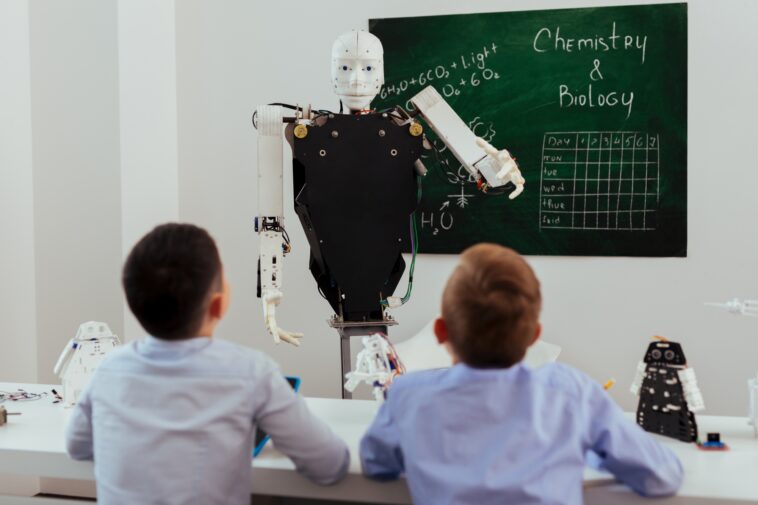

Arizona’s Digital Education Revolution: An Opinion Editorial
In recent years, Arizona has seen a surge in innovative educational models, and one notable example is Novatio—a virtual school rethinking traditional learning by harnessing AI support and personalized schedules. This new approach challenges the status quo by cutting out the inefficient bits of the classic 50-minute classroom session and replacing them with focused, 25-minute learning segments. In this editorial, we take a close look at the benefits and challenges of this model, dig into how AI is reshaping the learning experience, and consider what the future might hold for digital schools in Arizona and beyond.
Novatio’s initiative is not just another experiment in online education—it is a redefining moment for how students in grades four through eight might interact with their lessons. With shorter class times and club-based activities in the afternoon, the school promises a highly individualized experience where learning is tailored to fit each student’s pace and ability. As we examine this new system, it is important to keep an eye on the subtle parts and little twists that may eventually differentiate virtual education from the traditional classroom setup.
Reimagining Learning: AI and Personalized Schedules in Arizona Education
The core idea behind Novatio’s model is to reframe what the classroom looks like by introducing artificial intelligence to support students’ learning. Instead of the nerve-racking, long-standing approach of lengthy 50-minute lectures, Novatio uses 25-minute core subject sessions that focus solely on learning during that interval. By eliminating the filler moments of a traditional class, educators aim to maximize actual learning time.
AI tools are integrated into the curriculum to create personalized learning schedules—a process that digs into the fine points of student performance. These intelligent systems adjust the daily assignments by analyzing:
- The student’s current progress
- Areas where a student might be getting distracted
- Moments when the student is excelling or struggling
- How to rearrange parts of the curriculum to best match the student’s needs
This tailored approach is especially appealing because it cuts through the tangled issues of a one-size-fits-all model. The system is designed to get around the confusing bits of traditional scheduling by giving teachers more time to interact directly with students, rather than spending time on administrative or repetitive tasks.
Addressing the Tricky Parts of Traditional Education Models
Traditional educational systems have long been laden with issues that many students, parents, and educators find overwhelming. The rigid structure of scheduled classes, lengthy periods, and infrequent assessments often leaves learning feeling off-putting and even intimidating. In contrast, Novatio’s approach seeks to bypass these pitfalls by offering a streamlined timetable and regular assessments throughout the year.
The following table outlines several tricky parts of traditional educational models and shows how Novatio’s system attempts to resolve them:
| Tricky Part | Traditional Approach | Novatio’s Approach |
|---|---|---|
| Long Class Periods | 50-minute sessions that may include downtime | 25-minute focused intervals with intensive learning |
| Uniform Pace | One-size-fits-all pace regardless of individual differences | Personalized learning schedules powered by AI analysis |
| Teacher Workload | Heavy focus on administrative tasks and standardized delivery | Automation of routine tasks allows teachers to directly support students |
| Socialization | Limited opportunities for interactive, extracurricular engagement | Afternoon club activities designed to foster life skills and peer interaction |
Overall, this comparison reveals that by rethinking the classroom structure, Novatio paves the way for a more efficient and student-friendly learning environment. The subtle differences, or little distinctions, between the old and the new are crucial because they can significantly affect the overall educational experience.
Benefits Over Traditional Classroom Settings
Supporters of Novatio’s model emphasize numerous advantages over the traditional classroom framework. The following bullet list summarizes some of the critical perks:
- Enhanced Learning Efficiency: With classes reduced to strictly 25 minutes dedicated to core content, students are more likely to retain information due to the focused nature of the instruction.
- Personalized Curriculum: AI algorithms help design tailored learning paths for each student, ensuring that those who need extra help receive it, while advanced learners can move ahead without being held back.
- Effective Use of Teacher Expertise: By automating routine assessments and content distribution, teachers can spend more time working directly with students, clarifying tricky parts and guiding them through tangled issues.
- Flexible Schedules: The departure from long, uninterrupted class sessions allows students to better adjust their daily routine, which can lead to improved engagement and reduced burnout.
- Opportunities for Holistic Development: The club-based activities offered in the afternoon provide space for developing soft skills, creativity, and social interaction among peers—a necessary counterbalance to academic rigor.
Critics, however, argue that any new model has its own set of complicated pieces to be managed. They stress the importance of ensuring that shortening class times does not inadvertently lead to gaps in learning, and they call for measures that preserve quality while introducing technology. Despite these concerns, early indications suggest that such an approach could be transformative for many young learners.
Challenges and Considerations in AI-Driven Learning Models
While the benefits of personalized and AI-supported learning are compelling, there are several challenges that decision-makers must confront. First and foremost, the reliance on advanced technology introduces a different sort of intimidating challenge—one that is full of problems if not carefully managed. Some of these include:
- Privacy Concerns: The collection and use of student data by AI systems necessitate strict guidelines to protect privacy and ensure data security.
- Infrastructure Demands: Not all regions have the robust digital infrastructure required to support intensive, tech-based education.
- Teacher Training: Educators need to be comfortable with these new systems, meaning professional development is super important to navigate through the technological twists and turns.
- Equity Issues: Ensuring that all students, regardless of their background, have equal access to high-speed internet and modern devices remains a serious concern.
- Balanced Learning: While AI can help tailor the curriculum, maintaining the human connection and emotional support that many students rely on is critical.
Addressing these tricky parts is not simply about ironing out technical glitches, but also about working through the subtle details that can make or break an educational reform. It requires transparent policies, robust training programs for teachers, and a careful review of data practices. Educators, parents, and policymakers alike must figure a path that balances the benefits of technology with the timeless human aspects of education.
Balancing Technology and Socialization in Virtual Schools
One commonly raised issue in the digital schooling debate is the impact on student socialization. Critics worry that an education conducted primarily online might deprive students of the rich interpersonal interactions that happen naturally in a physical classroom environment. Novatio addresses this concern by incorporating afternoon club-based activities, which are designed to offer more than just academic support.
These clubs serve multiple functions:
- Skill Building: Whether it is public speaking, coding, or creative arts, the clubs are intended to foster growth in areas that extend beyond traditional academic subjects.
- Peer Interaction: Social skills development is not forgotten in a digital system. Organized group activities allow students to meet, interact, and form friendships, steering through the potential isolation that online learning might bring.
- Extracurricular Diversification: By offering varied options, the model accommodates a wide range of interests, ensuring that students can find activities that match their passions and encourage balanced development.
The integration of these clubs into the school day is meant to counteract some of the nerve-racking fears associated with a completely virtual learning environment. It suggests that even as schools adopt cutting-edge technology, they can retain a sense of community and maintain exposure to traditional, live social interactions.
Examining Tuition and Accessibility: A Closer Look
With Novatio setting its tuition at $7,000 for Arizona residents, questions arise regarding affordability and the long-term implications for educational equality. This fee is positioned as a competitive alternative to other private education options and is seen by many as a super important investment in a child’s future.
When evaluating the accessibility of AI-powered and personalized learning, it is essential to consider several factors:
- Cost vs. Value: Parents and guardians must balance the tuition fee against the potential benefits of an optimized, streamlined education system that addresses many of the confusing bits of traditional models.
- Resource Allocation: The innovative model requires a significant upfront investment in technology and training, raising concerns about sustainability and scalability in the long term.
- Community Impact: Given the many lives that could be transformed by such a system, it is critical that policymakers look into ways to support underserved communities, ensuring that every child has a fair chance to take advantage of modern learning methods.
While the cost is a factor that might seem intimidating at first glance, when compared to the expenses associated with traditional education and the missed opportunities due to outdated teaching methods, many see the fee as a reasonable price for a forward-thinking alternative. The debate here revolves around how best to support learning while balancing budgets—a conversation that is likely to intensify as digital learning becomes more widespread.
Comparing Traditional and Digital Learning: A Detailed Breakdown
To further understand the implications of the shift towards digital education, it is useful to compare traditional classroom structures with innovative models like that of Novatio. Below is a table that outlines some of the principal contrasts:
| Aspect | Traditional Classroom | Novatio’s Digital Model |
|---|---|---|
| Class Duration | Typically 50-minute periods | Focused 25-minute core sessions |
| Learning Pace | Uniform schedule for all students | Personalized pace using AI-driven assessments |
| Teacher’s Role | Lecture-based with repetitive administrative work | Direct engagement and tailored support through automation of routine tasks |
| Social Interaction | In-person classroom discussions and structured break times | Virtual clubs and organized extracurricular activities |
| Flexibility | Less adaptable to individual needs | Highly flexible schedules backed by artificial intelligence |
This breakdown shows that while traditional classrooms have long been the bedrock of education, their methods can sometimes be characterized by inefficient segments and a lack of flexibility. Novatio’s model, on the other hand, shows that working through the tricky parts of standard procedures with the help of technology might just be the path forward for a more dynamic learning experience.
Strategies for Successful Implementation of AI in Schools
Implementing a technology-driven learning system across the board requires careful planning and a clear strategy. Some key suggestions for educational institutions considering this route include:
- Invest in Teacher Training: Ensuring educators are comfortable with AI tools is critical. Professional development sessions should focus on practical applications and troubleshooting common issues.
- Maintain Robust Cybersecurity Protocols: With increased data collection comes the need for heightened security measures. Schools must work with technology experts to protect sensitive student data.
- Create an Inclusive Environment: Work to ensure that all students have access to the necessary devices, reliable internet connections, and expert support to fully benefit from digital learning.
- Regular Assessments and Feedback: Build in consistent, efficient assessment methods that allow for corrections and revisions. This will help teachers and administrators figure a path forward based on real-time performance data.
- Engage Stakeholders: Open channels of communication with parents, teachers, and students can ease the transition and address concerns about new and sometimes nerve-racking innovations.
By considering these strategic points, schools and districts across Arizona and beyond can better manage their way through the subtle details of transitioning from traditional to more modern, AI-supported learning environments. This systematic approach not only addresses technical challenges but also helps in building trust with the wider community.
Legal and Regulatory Perspectives on Digital Education Innovations
Adopting a technologically advanced educational model is not without its legal twists and turns. As digital schools expand their reach, lawmakers and regulators are faced with the off-putting challenge of updating policies to reflect modern practices. Several aspects require careful attention:
- Data Privacy and Security: Regulations like FERPA and COPPA in the United States already set certain guidelines for handling student information. With the added layer of AI, ensuring that data is used ethically and securely is a must-have requirement.
- Accreditation Standards: Digital schools must meet the same rigorous standards as brick-and-mortar institutions. Regulators need to adapt existing frameworks to evaluate new methods of learning.
- Equal Access Mandates: Laws aimed at protecting against educational inequity must be revisited, ensuring that digital learning does not inadvertently leave behind students from lower-income backgrounds or rural areas with limited connectivity.
Policymakers are working through these tangled issues, sort of like navigating a maze of little details that can often be on edge. Transparent policies, continuous review of technology’s impact on education, and active stakeholder engagement can help smooth the integration process.
Community Reactions and Parental Perspectives
The introduction of a digital school like Novatio naturally invokes a variety of reactions from parents and community members. Many parents appreciate the streamlined, personalized approach, especially in a world where traditional classrooms sometimes fail to capture a student’s full potential. However, there are also concerns that must be addressed:
- Screen Time and Mental Health: Parents worry about increased screen usage potentially leading to stress or fatigue among young learners. It is important to strike a balance and ensure that technology supplements rather than overwhelms daily learning.
- Social Interaction: Even though virtual clubs provide opportunities for socialization, some parents question whether these efforts are enough when compared to face-to-face classroom experiences.
- Long-Term Outcomes: There’s a natural curiosity about how students educated primarily through digital platforms will perform compared to their peers in traditional settings over the long term.
These reactions are both valid and instructive. They remind educators and policymakers that even the most promising systems need continuous refinement and open dialogue with all stakeholders. Engaging in community discussions and maintaining an approachable feedback mechanism is key to managing this transition, ensuring that the educational landscape evolves in a balanced, thoughtful manner.
Technology in Education: Comparing Global Trends
While Arizona is at the forefront of this digital education experiment, similar models are emerging worldwide. Many countries are keen on adopting innovative learning methods to better prepare students for the 21st century. In comparing global trends, several common themes emerge:
- Personalized Learning: Across numerous educational systems, the drive towards individually tailored learning is seen as a major factor in improving student outcomes.
- Flexible Scheduling: Shorter, more focused classes that combat the inefficient bits of a long, monotonous school day are gaining popularity worldwide.
- Teacher Empowerment: Educators are increasingly supported by technology that handles routine administrative tasks, allowing them to concentrate on direct student engagement.
- Community and Collaboration: Despite the digital nature of these innovations, ensuring opportunities for community building remains a universal priority.
In table form, the global trends can be contrasted with traditional education as follows:
| Global Digital Model | Traditional Method |
|---|---|
| Short, intense learning sessions | Long class periods often mixed with idle time |
| Personalization through AI and technological tools | Uniform curricula that may not suit all students |
| Enhanced teacher-student interaction enabled by technology | Teacher-focused instruction that often leaves less room for individual attention |
| Integration of virtual extracurricular activities to foster well-rounded growth | Standardized extracurricular programs with limited diversity |
This comparison not only highlights the innovative spirit of digital learning but also underscores the need for a careful, balanced approach. Globally, the move towards modernizing education is seen as a critical step in preparing students for the future, even as each system works through its own set of challenging and intimidating hurdles.
Future Directions: Taking the Wheel in Education Reform
Looking ahead, the future of education hinges on the ability of institutions to remain flexible, responsive, and innovative. The Arizona model, exemplified by Novatio, gives us a window into what might become a widespread trend if digital learning continues to prove its merits. Key areas to watch include:
- Integration of More Advanced AI: As technology evolves, so too will the capacity of AI tools to further fine-tune personalized learning. Future iterations might include real-time adjustments based on a student’s emotional state or engagement levels.
- Expansion to Other Grade Levels: While Novatio currently focuses on grades four through eight, similar models could well extend their reach to both younger children and high school students, each with tailored approaches.
- Hybrid Models: A blend of digital and in-person learning might eventually become the norm, striking a balance that leverages the best of both worlds—structured classroom interactions paired with the flexibility of online learning.
- Community-Driven Innovations: Continuous feedback from families, teachers, and community leaders will be essential as schools figure a path for growth and adjustment in this rapidly evolving field.
- Policy and Funding Adjustments: Government bodies will need to work on sustainable funding models and regulatory frameworks that ensure equitable access to cutting-edge educational opportunities.
This forward-thinking perspective is not without its challenges. However, by taking the wheel and managing your way through the subtle details of these developments, educators, policymakers, and communities can collectively foster a future in which learning is as dynamic, adaptive, and inclusive as the world around us.
Conclusion: A Balanced Perspective on a New Educational Era
The advent of AI-supported virtual schools like Novatio in Arizona represents a significant step toward reimagining education. By replacing outdated, lengthy class sessions with streamlined, focused, 25-minute intervals, and by embracing personalized learning paths powered by advanced technology, this model shows considerable promise in overcoming many of the confusing bits and tangled issues of traditional education.
While challenges remain—ranging from privacy concerns and infrastructure demands to ensuring that technology does not replace human interaction—the potential benefits are too substantial to ignore. Automated systems free educators from routine tasks, allowing them more time to help students tackle the tricky parts of their studies and build the social and life skills that only personal interaction can provide.
As we continue to take a closer look at these innovative models, it is clear that the path forward is not a simple one. It requires a collective willingness to get into the nitty-gritty, iron out the hidden complexities, and figure a path that is both technologically advanced and sensitive to the core needs of learning—social connection, teacher support, and community involvement.
In conclusion, Arizona’s foray into AI-driven education is a promising experiment that has the potential to reshape the way we view learning, teaching, and school communities. By acknowledging and addressing the challenging and sometimes overwhelming aspects of digital education, stakeholders can work together to build a future where technology and tradition coalesce to produce an educational experience that is both efficient and enriching.
Only by continuously engaging with these fine shades of innovation, while maintaining a balanced view on the potential pitfalls, can we ensure that the future of education remains as dynamic and vibrant as the ever-changing world around us.
Originally Post From https://ktar.com/arizona-education/private-virtual-school-ai/5740074/
Read more about this topic at
The Role of AI in Personalized Learning
Educator’s journey through personalized learning to AI …